
5 thorny problems of Broccoli planting
The Ultimate Guide to Solving Common Broccoli Growing Problems and Maximizing Your Yield
Growing broccoli, a highly nutritious and globally sought-after vegetable, presents unique challenges that can impact both yield and quality. Many commercial growers face recurring issues, from poor head development to persistent pest pressures. This guide draws on the latest international agronomic research to address these pain points with practical, data-backed solutions. We will explore proven techniques for soil management, precise fertilization, and integrated pest control, specifically tailored for professional farming operations.
Understanding Broccoli’s Core Requirements for Success
Broccoli thrives in cool climates, with optimal growth temperatures between 10-24°C and heading temperatures of 15-18°C. Temperatures above 25°C consistently lead to poor, “button-like” head formation. This crop demands well-drained, fertile soil rich in organic matter to support its vigorous growth. It has a high nutrient requirement, particularly for nitrogen and boron, and is sensitive to both drought and waterlogging. Careful site and variety selection based on your local climate is the foundational step to a profitable harvest.
Five Thorny Problems in Broccoli Cultivation and Their Solutions
1. Problem: Inconsistent or Poor Head Formation
This common issue manifests as small, loose, or prematurely flowering heads. It is primarily driven by temperature stress and nutrient imbalance.
Solution: Implement a temperature-mitigation strategy. Use shade nets during unseasonably warm periods in the heading stage. Choose heat-tolerant or slow-bolting varieties recommended for your region. Crucially, ensure a steady supply of potassium and boron during head development. A foliar application of a high-potassium, boron-fortified fertilizer is essential.
Data-Backed Fertilization: Research indicates that a balanced nutrient program can improve head uniformity and weight by up to 25%. Apply a balanced NPK base fertilizer. As the head begins to form, supplement with a high-potassium solution like MKP (0-52-34) to enhance firmness and size.
2. Problem: Weak Seedling Establishment and Stunted Growth
Poor germination and weak seedlings set back the entire crop cycle, reducing final yield potential. Causes include crusty soil, improper seeding depth, and low soil vitality.
Solution: Prepare a fine, moist seedbed. Sow seeds at a depth of 0.5-1 cm and maintain consistent moisture without saturation. To boost root development and stress resistance from the start, treat seeds or irrigate seedlings with a rooting microbial agent. These beneficial bacteria colonize root zones, improving nutrient uptake.
Product Integration: Using a bio-organic fertilizer or a specialized microbial agent at transplanting can increase root mass by over 30%, leading to stronger, more resilient plants.
3. Problem: Soil-Borne Diseases and Nutrient Lockout
Continuous cropping, especially in high-value vegetable rotations, leads to soil sickness, pathogen buildup, and poor nutrient availability.
Solution: Practice strict crop rotation. Between broccoli cycles, consider planting green manure. For soil rejuvenation, apply high-quality organic matter. To combat specific pathogens like clubroot or nematodes, incorporate a anti crop microbial agent into the soil before planting. This biologically suppresses harmful organisms.
Cost-Effective Tip: Transporting bulk organic fertilizer can be expensive. A more economical method is to use our organic matter decomposer. Farmers can locally source manure or crop residues and use the decomposer to produce rich, pathogen-suppressing compost on-site. Applying 2 tons of this well-composted organic matter per hectare is sufficient to significantly improve soil structure and biology.
4. Problem: Nutrient Deficiencies Despite Fertilization
Yellowing leaves (nitrogen), hollow stems (boron), or poor head development (potassium) indicate that plants cannot access nutrients, often due to poor soil chemistry or inefficient application.
Solution: Conduct regular soil tests. Adopt a split-application strategy for fertilizers. Use highly efficient, fully water-soluble products that are readily available to plants. For a rapid nitrogen boost to correct deficiencies and support leafy growth, consider a fast-acting liquid nitrogen fertilizer (42-0-0).
Precision Nutrition: During the rapid vegetative growth phase, feed with a balanced, high-nitrogen NPK water-soluble fertilizer with TE (Trace Elements), such as a 30-10-10 or 21-21-21 formulation. This ensures all micronutrients are supplied.
5. Problem: Pest Pressure and Reliance on Chemicals
Cabbage worms, aphids, and diamondback moths are major threats. Over-reliance on chemical pesticides harms beneficial insect populations and can lead to resistance.
Solution: Implement a true Integrated Pest Management (IPM) strategy. This includes monitoring pest levels, using physical barriers like insect netting, and encouraging natural predators. For a proactive biological approach, apply Bacillus thuringiensis (Bt)-based microbial insecticides or our anti-pest microbial agent, which are highly specific and environmentally safe.
Holistic Plant Health: Strong plants are more pest-resistant. Regular applications of a liquid amino acid fertilizer with calcium and magnesium strengthen cell walls and improve the plant’s own defense mechanisms, reducing pest damage incidence.
A Professional-Grade Fertilization Program for Broccoli (Per Hectare Basis)
Here is a tailored program incorporating precision nutrition to address the above challenges:
Basal Application (Before Transplanting):
Incorporate 2 tons of well-composted organic matter (made with a decomposer) into the soil.
Apply 300-400 kg of a balanced compound fertilizer or a custom blend based on soil test results. Incorporating potassium humate granules at 50-100 kg/ha can significantly improve soil cation exchange capacity and nutrient retention.
Transplanting to Early Growth:
At transplanting, apply a rooting microbial agent via drip irrigation or drenching to reduce transplant shock.
2-3 weeks after transplanting, apply 15-20 kg of nitrogen via a liquid nitrogen fertilizer (42-0-0) or a high-N NPK 30-10-10+TE water-soluble fertilizer to fuel vegetative growth.
Rapid Growth Phase (4-6 Weeks After Transplanting):
Apply a balanced nutrient solution every 10-14 days. Use an NPK 21-21-21+TE or NPK 10-40-10+TE water-soluble fertilizer to support both foliage and strong root development. 20-25 kg per application is typical.
Head Initiation and Development:
This is the most critical period. Switch to a high-potassium, low-nitrogen formula.
Apply MKP (0-52-34) at 5-8 kg/ha per application via fertigation, 2-3 times during head bulking.
Include a foliar spray of an amino acid + calcium magnesium liquid fertilizer to prevent hollow stem and improve head density.
Conclusion: Building a Resilient and Profitable Broccoli Crop
Success in broccoli farming hinges on proactive management and precision nutrition. By understanding the plant’s specific demands, implementing integrated solutions for soil and pest health, and following a staged, data-driven fertilization plan, growers can consistently overcome common hurdles. This approach not only secures yield but also enhances produce quality, meeting the stringent standards of both domestic and export markets.
If you have any questions that need to be answered, you can always find us through the chat icon in the lower right corner of the page or directly enter Trelfey’s store to view the products. Of course, you can also check out our other social media (such as Linkedin) to learn more about us.
Primary Keywords: broccoli growing problems, broccoli fertilization program, commercial broccoli farming, broccoli yield increase, broccoli pest control.
Secondary/Long-tail Keywords: broccoli head not forming, broccoli hollow stem fix, best fertilizer for broccoli heads, how to grow broccoli in hot climate, broccoli IPM strategy, boron for broccoli, broccoli transplant shock, wholesale agricultural fertilizers, bulk fertilizer supplier for farms.
References:
Export Broccoli Cultivation Technology (Academic Journal)
ADOPT-IPM Pest Management Portal (EU-China IPM Authority)
Solving Lettuce Problems (National Gardening Association)
FAO – Better Farming Series 19: Market Gardening
Vegetable MD Online (Cornell University)
BRESOV: Best Agronomic Practices for Organic Seed Production in Broccoli (FiBL Research)
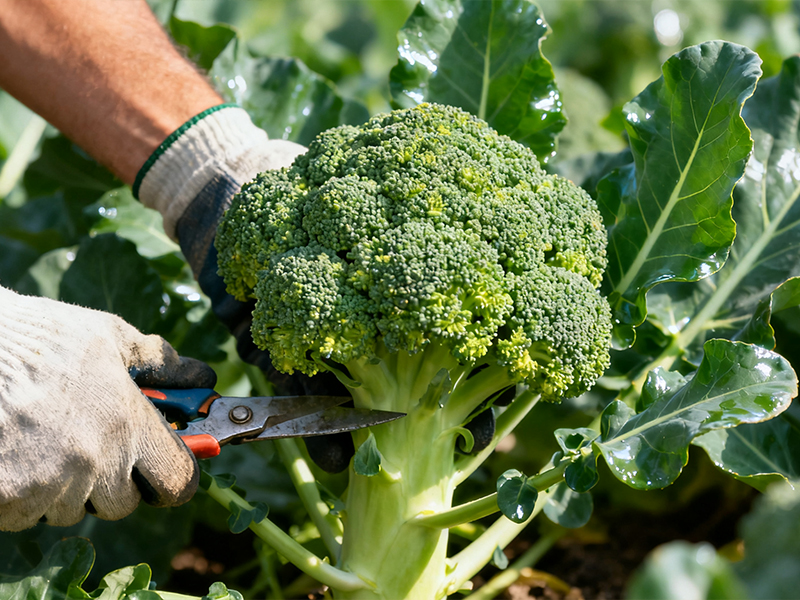
Crisp, vibrant broccoli heads glisten with morning dew—nature’s perfect superfood ready for harvest! 🌱✨ Our nutrient-rich soil gives each floret unmatched crunch & flavor. #FreshFromFarm
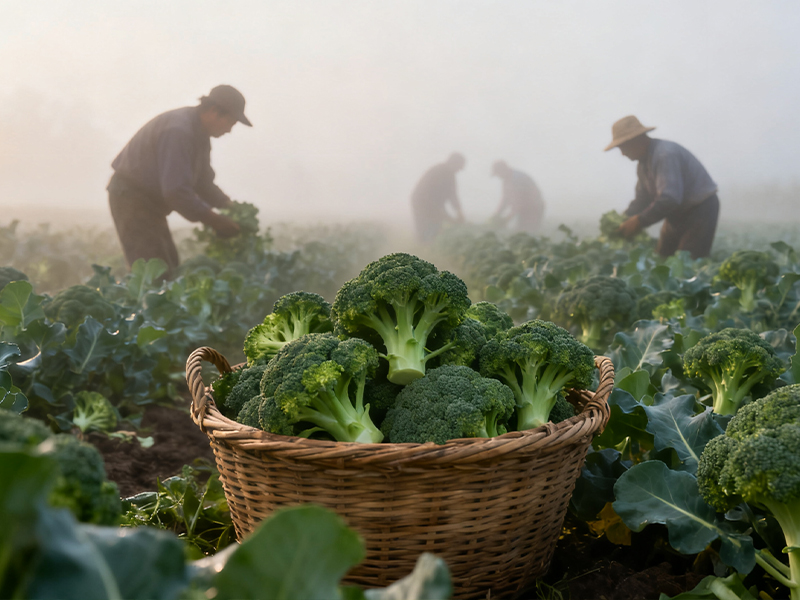
Trelfey Fertilizer powers this bountiful harvest! 🌾💪 Lush broccoli fields thrive with our advanced formula—more yields, healthier plants, superior quality. Watch your crops flourish! #FarmSuccess
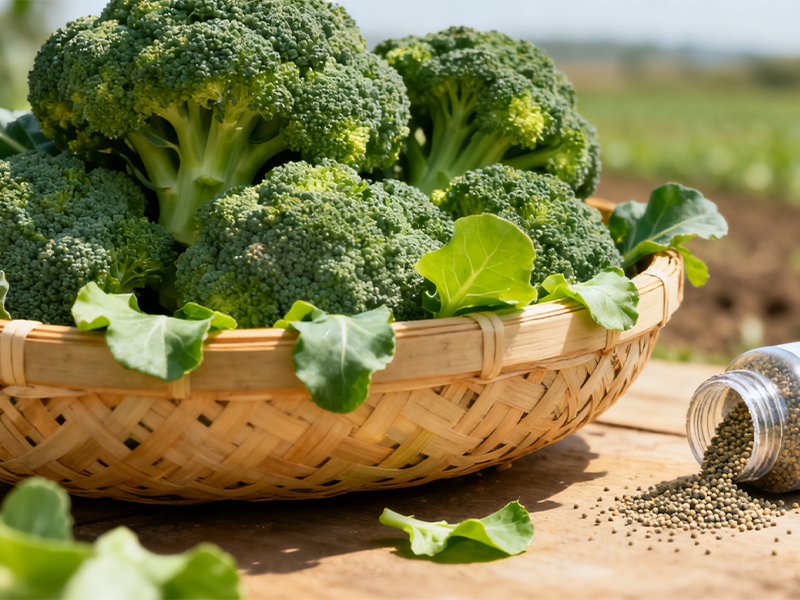
A basket brimming with Trelfey-grown broccoli—nutrient-dense, farm-fresh, and ready to nourish! 🥦🥗 Elevate your dishes with produce that tastes as good as it grows. #HealthyHarvest
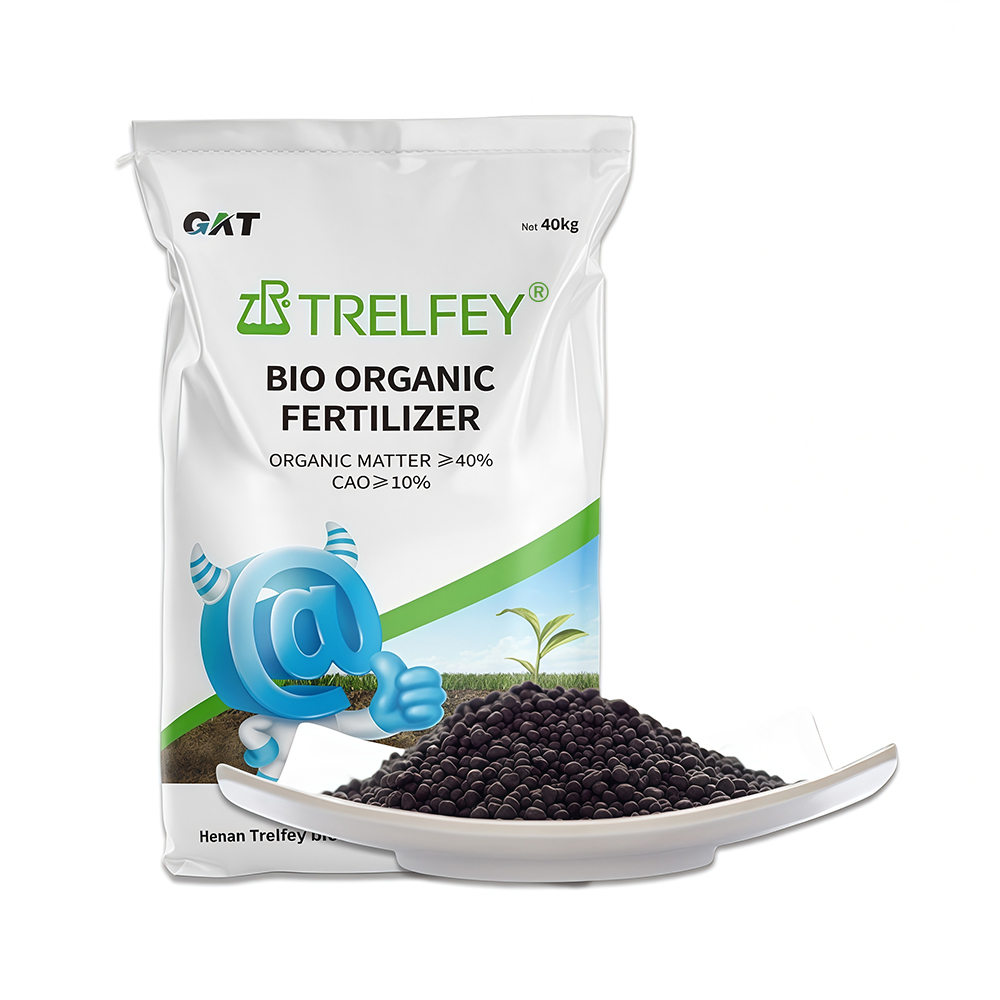
Bio-organic fertilizer
Organic matter ≥40%, CaO≥10%
The number of beneficial live bacteria ≥0.20 billion/g
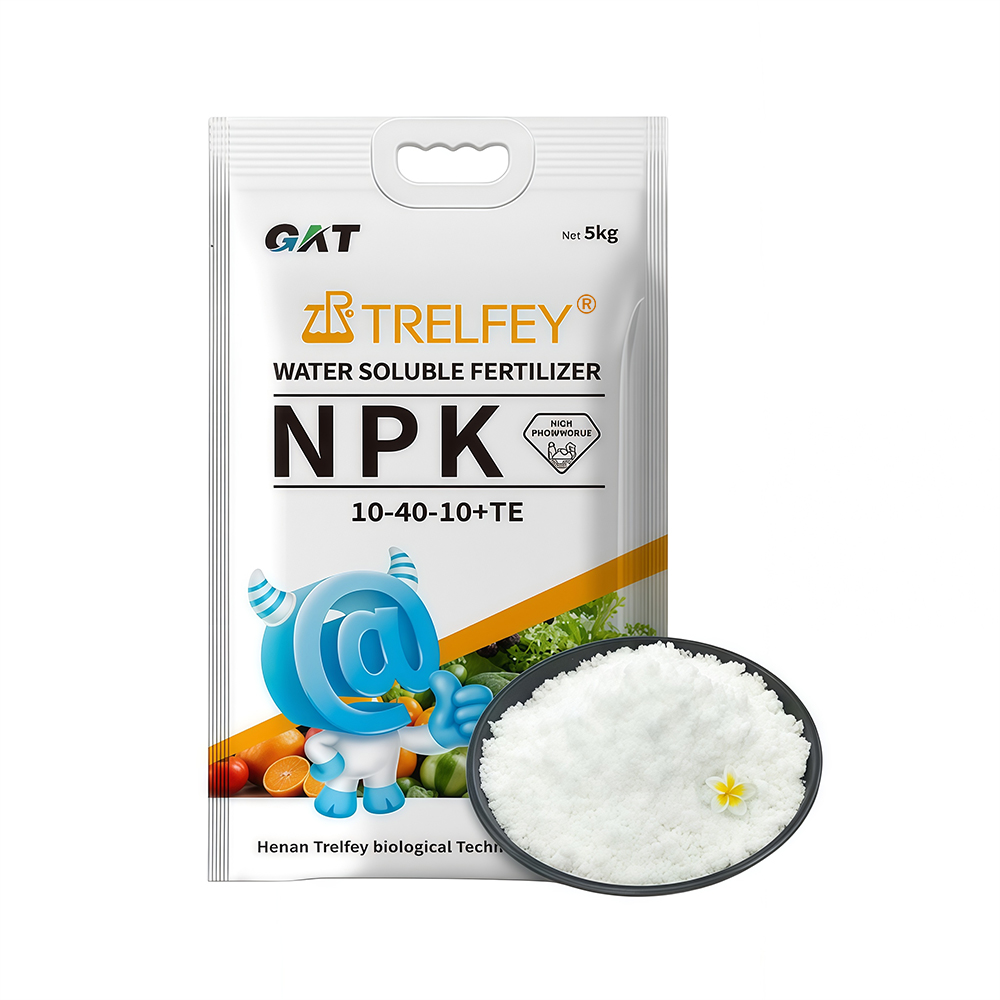
Water soluble fertilizer
Protect the roots and nourish the roots, protect the buds and protect the flowers
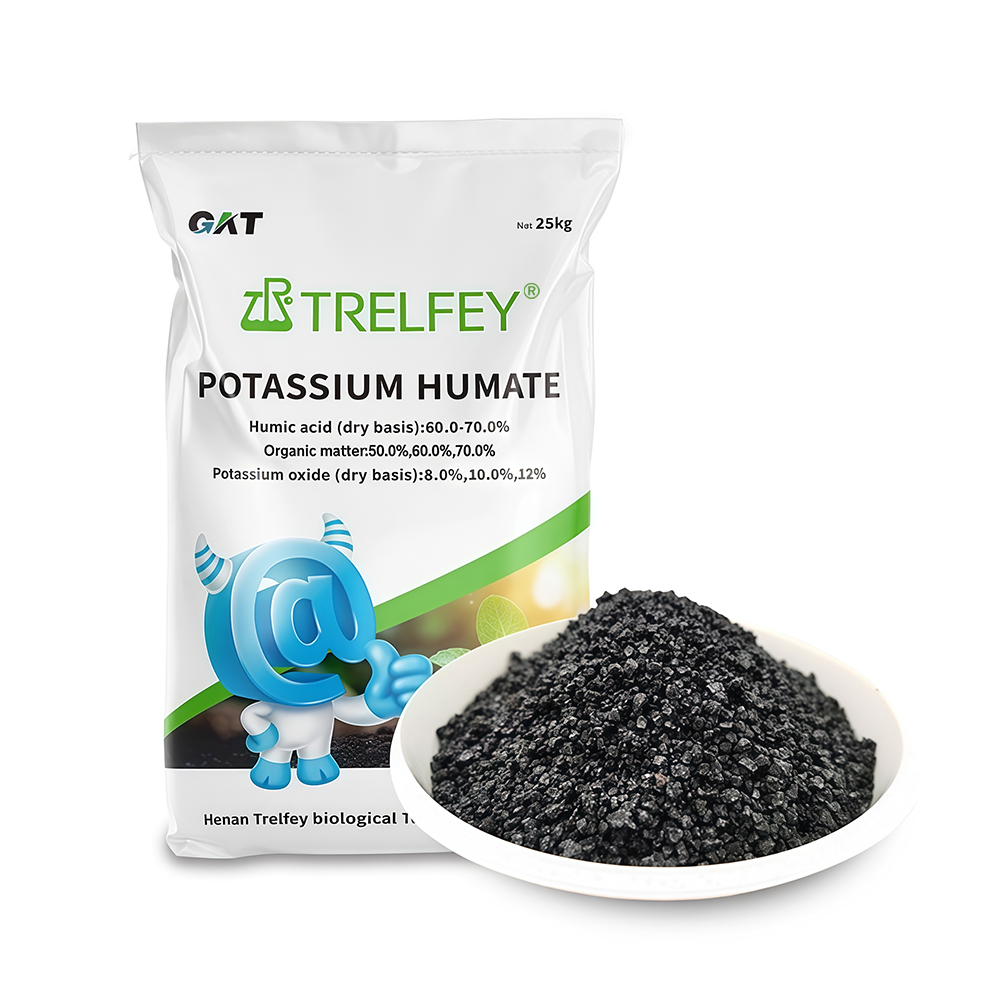
Potassium humate granules
Humic acid (dry base): 60.0-70.0%
Total nutrient (KOO): 8.0%-12.0% (customizable)