
How to Fix 7 Common Bell Pepper Growing Problems
Introduction: Navigating the Path to Premium Bell Pepper Production
The Commercial Challenge: Consistency and Quality
For commercial growers, achieving consistently high yields of top-quality bell peppers is a significant challenge. Profitability hinges on producing blemish-free, well-formed fruits that meet market standards, not just on total volume.
Success demands moving beyond basic agronomy to implement precise management. Growers must proactively avoid common pitfalls that directly erode profits, such as poor fruit set, misshapen produce, and physiological disorders like blossom end rot.
A Roadmap to Solutions: Research and Regional Insights
This guide is designed to address these specific, frequent obstacles. We delve into seven key problems, providing actionable solutions backed by research and proven techniques.
Our aim is to integrate advanced practices from major global production regions. This offers a clear roadmap to optimize your crop’s health, maximize marketable yield, and ultimately enhance your return on investment.
1. The Seedling Foundation: Preventing Weak Starts and Ensuring Vigor
A strong beginning is non-negotiable. The primary hurdles at this stage are poor germination and weak, spindly transplants.
Bell pepper seeds require consistent warmth, germinating best at soil temperatures between 80-85°F (27-29°C). Using a seedling heat mat is often essential. To prevent leggy seedlings, ensure intense light immediately after germination and maintain air temperatures around 70-75°F (21-24°C). A critical step before transplanting is “hardening off.” Gradually expose seedlings to outdoor conditions over 7-10 days, which significantly reduces transplant shock and accelerates field establishment.
2. Optimizing Roots and Nutrition in Container Systems
For growers utilizing container or controlled environment agriculture, root health is paramount.
Choose containers with a minimum depth of 12 inches to accommodate the root system. Use a well-draining, soilless potting mix amended with a balanced, slow-release fertilizer. The key challenge here is nutrient depletion. As plants grow, implement a weekly feeding schedule with a complete, water-soluble fertilizer. Our NPK (21-21-21) + TE Water-Soluble Fertilizer is an excellent all-purpose choice for container peppers, providing balanced nutrition and essential trace elements to prevent deficiencies in a restricted root zone.
3. Decoding Leaf Discoloration: Deficiencies vs. Diseases
Yellowing or discolored leaves signal stress, requiring accurate diagnosis.
Uniform yellowing of older leaves often indicates a mobile nutrient deficiency like nitrogen or magnesium. In contrast, interveinal chlorosis (yellow leaves with green veins) points to immobile nutrient issues such as iron or manganese. A targeted solution for magnesium deficiency is foliar application. Our Amino Acid + Calcium Magnesium + Fish Protein Liquid Fertilizer is highly effective, as the amino acid chelates improve the uptake and translocation of magnesium within the plant. Always rule out diseases like bacterial leaf spot, which presents as small, water-soaked lesions, before concluding it’s a nutritional problem.
4. Solving Core Flower and Fruit Problems
This stage holds the key to productivity and premium pricing. Key issues include blossom drop, poor fruit shape, and blossom end rot.
Flower Drop & Misshapen Fruit: Extreme temperatures are a primary cause. Flowers abort when temperatures fall below 55°F (13°C) or exceed 90°F (32°C). Ensuring pollination during mild temperatures is crucial. While peppers are self-pollinating, air movement or vibration is needed. Blossom End Rot (BER): This sunken, leathery patch is a classic sign of localized calcium deficiency in the fruit, often caused by irregular watering that disrupts calcium uptake. Maintain consistent soil moisture, especially during early fruit development. Avoid excessive ammonium-based nitrogen fertilizers, as they inhibit calcium absorption. A soil application of a highly soluble calcium source at fruit set can be preventive.
5. Enhancing Fruit Quality, Sweetness, and Color
Maximizing market appeal involves managing color, sugar content, and form.
Fruit Sunscald: Direct sunlight on developing fruit causes white, sunken patches. Maintain adequate foliage cover or use shade cloth during peak intensity. Poor Coloring & Low Sweetness: Full color and sugar development depend on sufficient potassium during ripening. Switching to a high-potassium formula like our NPK (10-5-45) + TE Water-Soluble Fertilizer in the final 3-4 weeks of fruit swelling promotes better color intensity and brix levels. Physiological Disorders: Issues like “silvering” (streaky skin) or “pancaking” (flat fruit) are often variety-specific and exacerbated by high heat and humidity. Selecting resistant varieties suited to your local climate is the best management strategy.
6. Managing Pests and Soil-Borne Diseases
Proactive protection safeguards your investment.
Common pests like aphids, thrips, and spider mites can be monitored with sticky traps. For soil-borne challenges like root-knot nematodes or Fusarium wilt, which cause stunting and yellowing, building soil resilience is key. Incorporating a Microbial Bio-organic Fertilizer into the planting hole or bed introduces beneficial microorganisms that compete with pathogens. For established issues, drenching with a specialized (Root-knot Nematode Suppressing Microbial Agent) can help protect the root zone and improve plant vigor.
7. Harvest and Post-Harvest Protocols for Optimal Shelf Life
Proper handling preserves quality and value.
Bell peppers are ready for the fresh market when they reach full size and have a firm, glossy sheen. For colored varieties, allow full ripening on the plant. Harvest by cutting the stem with pruning shears to avoid damage. Immediate post-harvest cooling is critical. Rapidly remove field heat and store peppers at 50°F (10°C) with 90-95% relative humidity. Storage below 45°F (7°C) leads to chilling injury, causing pitting and decay. This careful process maintains crispness and weight, ensuring your produce arrives at market in premium condition.
Conclusion and Immediate Action Plan
Mastering bell pepper production hinges on managing details: temperature control during flowering, unwavering irrigation consistency to prevent blossom end rot, and a staged nutritional program that supplies heightened potassium during fruit maturation. Begin your quality audit today by inspecting irrigation system uniformity and evaluating the potassium balance in your current fertilization plan. These two factors are among the most influential for achieving the sweet, well-formed, and colorful fruits that command the best market prices.
If you have any questions that need to be answered, you can always find us through the chat icon in the lower right corner of the page or directly enter Trelfey’s store to view the products.
Of course, you can also check out our other social media (such as Linkedin) to learn more about us.
(Keyword Strategy):
(Primary): Bell pepper growing, Bell pepper cultivation, Bell pepper yield, Bell pepper fertilizer
(Problem-Awareness): Blossom end rot pepper, Pepper flowers falling off, Yellow leaves on pepper plants, Pepper sunscald, Misshapen bell peppers
(Solution-Seeking): How to prevent blossom end rot, Bell pepper pollination, Calcium for peppers, Pepper fertilizer schedule, Drip irrigation for peppers, Controlling aphids on peppers
(Commercial Intent): Bulk water soluble fertilizer, Agricultural fertilizer supplier, Wholesale NPK fertilizer, Potassium humate granules,, Custom fertilizer blends
(Cited External Resources):
Intel for Ag. (2023). Pepper Production Guide. Provides comprehensive, science-based guidelines on all stages of bell pepper production.
University of Georgia Extension. (2020). What’s Wrong with My Pepper? Common Defects of Bell Peppers Explained. Authoritative publication detailing physiological disorders and their management.
ScienceDirect. (2024). The effect of bio and nano silicon sources on sweet pepper growth. Peer-reviewed research on advanced nutrient applications.
Foodmate Net. Contains specific data on nutrient uptake requirements per ton of bell pepper yield.
Kepuchina. Details staged fertilization programs for bell peppers.
Missoula County Public Schools. (n.d.). Pepper Problem Diagnosis. A useful visual guide for diagnosing common pepper ailments.
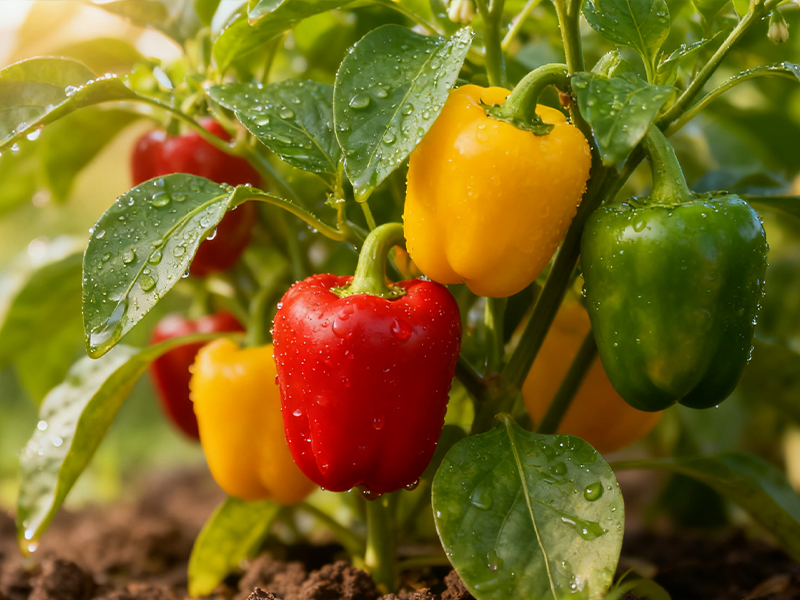
Crisp, vibrant broccoli heads glisten with morning dew—nature’s perfect superfood ready for harvest! 🌱✨ Our nutrient-rich soil gives each floret unmatched crunch & flavor. #FreshFromFarm
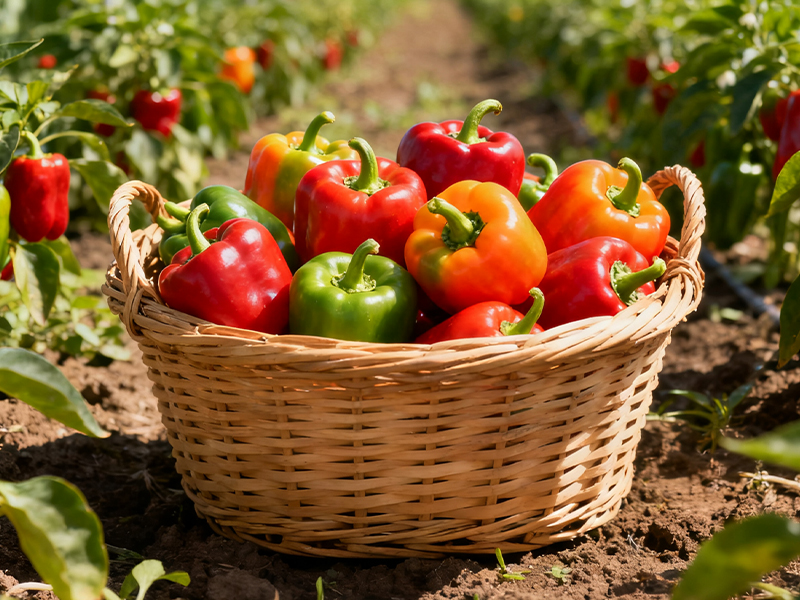
Trelfey Fertilizer powers this bountiful harvest! 🌾💪 Lush broccoli fields thrive with our advanced formula—more yields, healthier plants, superior quality. Watch your crops flourish! #FarmSuccess
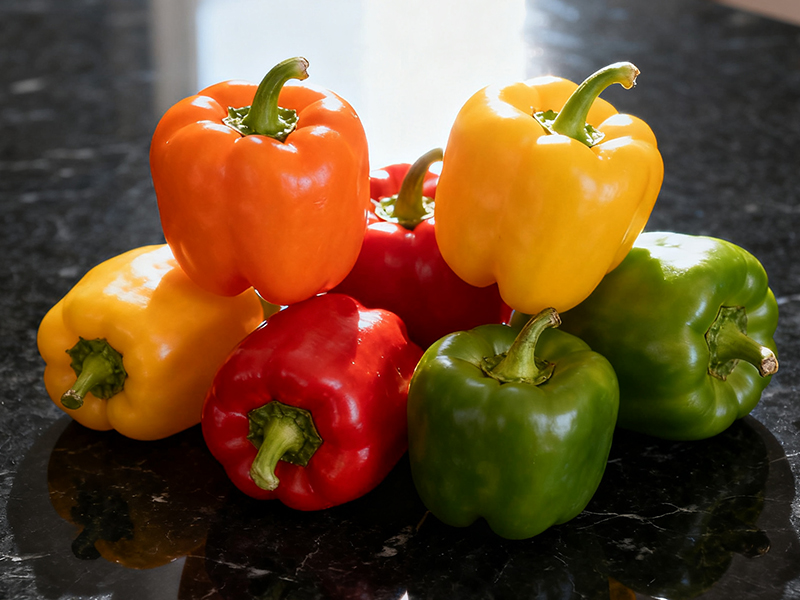
A basket brimming with Trelfey-grown broccoli—nutrient-dense, farm-fresh, and ready to nourish! 🥦🥗 Elevate your dishes with produce that tastes as good as it grows. #HealthyHarvest
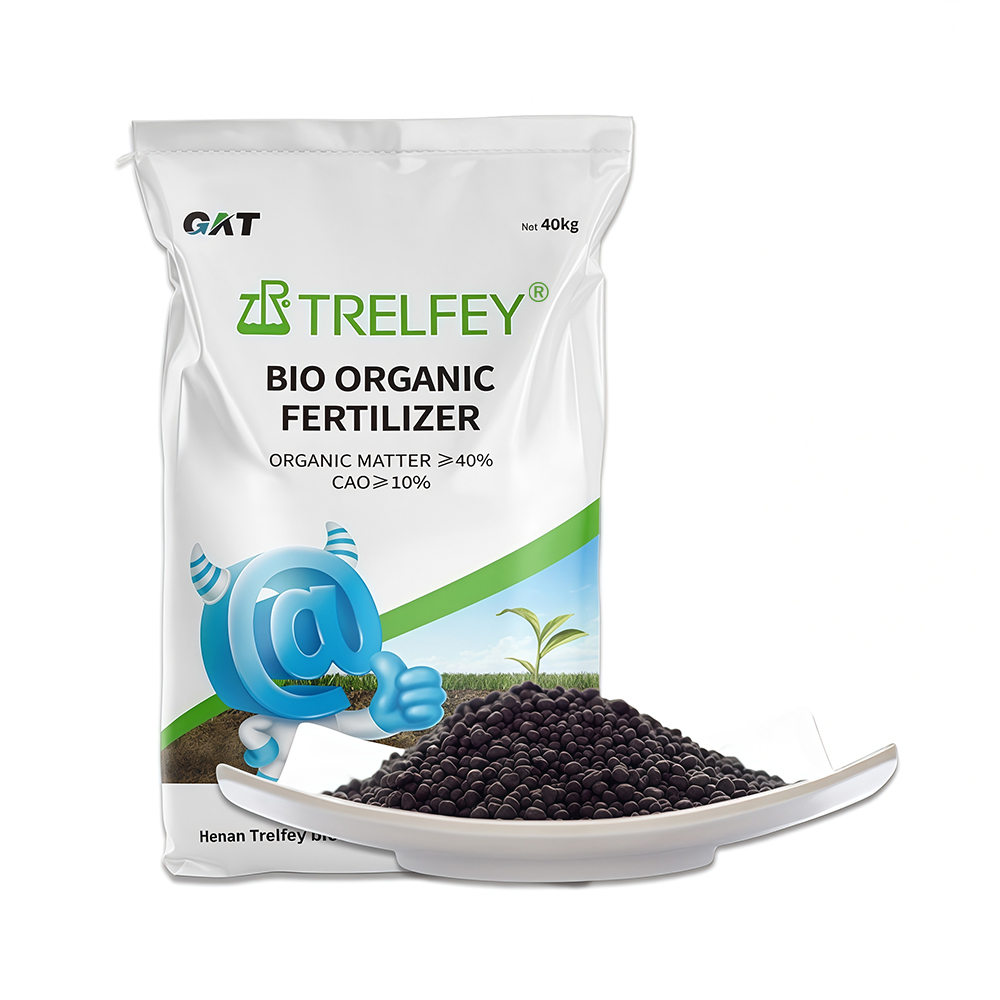
Bio-organic fertilizer
Organic matter ≥40%, CaO≥10%
The number of beneficial live bacteria ≥0.20 billion/g
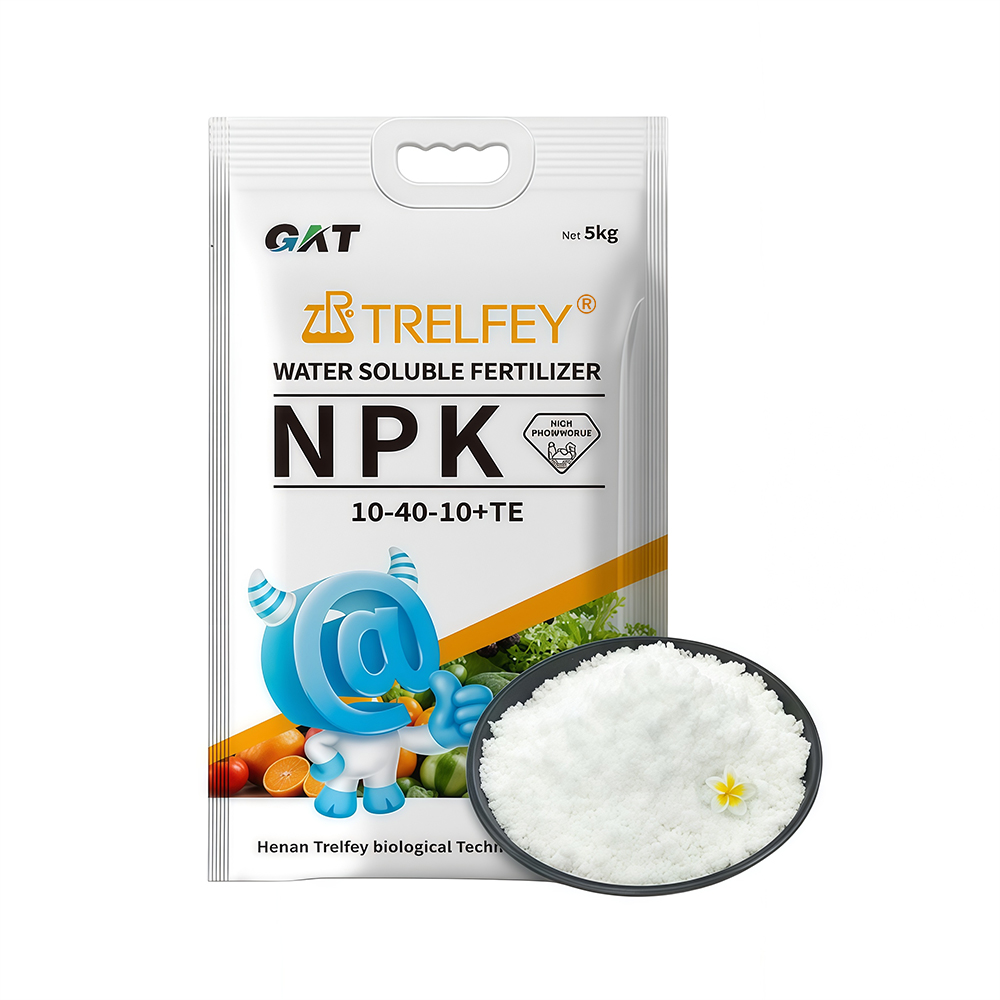
Water soluble fertilizer
Protect the roots and nourish the roots, protect the buds and protect the flowers
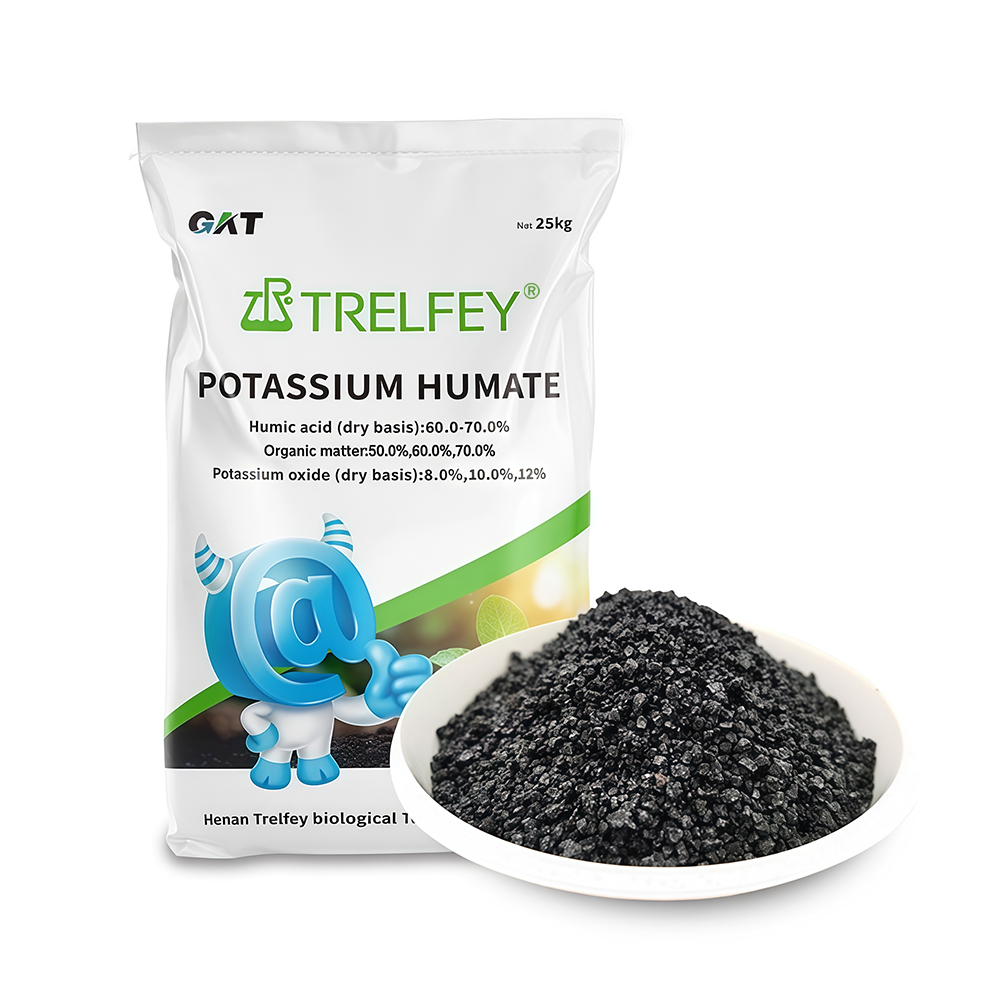
Potassium humate granules
Humic acid (dry base): 60.0-70.0%
Total nutrient (KOO): 8.0%-12.0% (customizable)