
Ginger Planting
Ginger Planting: Mastering 5 Key Challenges for a High-Yield Harvest
Ginger, a high-value spice crop, faces significant hurdles that can impact yield and quality for growers worldwide. From the devastating Rhizome Rot to the complexities of nutrient management, achieving consistent, profitable harvests requires precise knowledge and proactive strategies. This article, drawing on the latest agricultural research, addresses the core pain points of commercial ginger cultivation. We provide actionable, science-backed solutions to transform these challenges into opportunities for enhanced productivity and crop resilience.
Challenge 1: Rhizome Rot – The Dreaded Yield Destroyer
Rhizome rot is arguably the most catastrophic disease in ginger farming, capable of wiping out entire fields. It is often caused by waterlogging and fungal pathogens like Pythium and Fusarium.
The Science-Backed Solution:
A preventative, integrated approach is crucial. First, ensure excellent field drainage by planting on raised beds and providing proper drainage channels to avoid water stagnation. Before planting, consider soil solarization—covering moist beds with transparent polyethylene sheets for 40 days. This solar heat treatment can significantly reduce soil-borne pathogens and nematodes.
Second, build plant resilience from the ground up. A robust root system is your first defense. Applying a high-quality bio-organic fertilizer or a specialized root-developing microbial inoculant at planting enriches the rhizosphere with beneficial microbes. These microbes compete with harmful pathogens and can enhance the plant’s natural resistance. Incorporating well-decomposed organic matter (about 2 tons per hectare) further improves soil structure and microbial life.
Challenge 2: Inefficient Nutrient Uptake and Poor Rhizome Development
Ginger has distinct nutritional phases, and incorrect fertilization leads to lush foliage but small, underdeveloped rhizomes—a direct loss in marketable yield.
The Science-Backed Solution:
Implement a staged, precision fertilization program tailored to ginger’s growth cycle.
Basal & Germination Stage: At planting, incorporate a balanced, readily available fertilizer. Research in ginger-growing regions indicates effective formulas include a blend of nitrogen (N), phosphorus (P), and sulfur (S). For a powerful start, a water-soluble NPK fertilizer with a balanced ratio like 21-21-21, enriched with micronutrients (TE), ensures all essential elements are immediately accessible for root and shoot development.
Vegetative Growth Stage (30-60 Days After Planting): As the plant establishes, it demands a sustained nutrient supply. A side-dressing of a high-nitrogen fertilizer is recommended. For optimal efficiency, a fast-acting liquid nitrogen fertilizer (e.g., 420-0-0) can be applied through drip irrigation, promoting vigorous leaf and stem growth without disturbing the roots.
Rhizome Bulking Stage (90+ Days After Planting): This is the most critical phase for yield. The plant’s demand shifts sharply to potassium (K) and phosphorus (P) to drive the enlargement and densification of the rhizomes. Applying a high-potassium, low-nitrogen water-soluble fertilizer (e.g., NPK 10-5-45 + TE) during this period is essential. Furthermore, supplements like potassium humate granules or a calcium-magnesium liquid fertilizer with amino acids can significantly improve nutrient translocation, cell wall strength, and overall rhizome quality and weight.
Challenge 3: Climate Stress and Water Management
Ginger is highly sensitive to climatic fluctuations. Irregular temperatures, drought, or excessive rainfall directly disrupt growth and can lower yields by over 30%. Both water scarcity and waterlogging are major threats.
The Science-Backed Solution:
Adopt climate-smart irrigation and field practices. Studies emphasize efficient irrigation methods like drip systems and moisture sensors as key strategies for sustainable ginger production. Drip irrigation, paired with organic mulch, delivers water directly to the root zone, conserves moisture, and keeps foliage dry, reducing disease risk. The critical stages for irrigation are during germination, rhizome initiation (around 90 days after planting), and rhizome development.
To mitigate abiotic stress from heat or drought, foliar applications of compound amino acid powder or liquid fertilizers containing amino acids and trace elements are highly effective. These products act as biostimulants, enhancing the plant’s osmotic regulation and antioxidant activity, helping it withstand environmental stress.
Challenge 4: Soil Fatigue and Declining Health
Continuous ginger cultivation depletes specific nutrients and fosters a buildup of pathogens and nematodes, leading to “replant disease” or soil fatigue.
The Science-Backed Solution:
Break the cycle with strategic soil stewardship. Where possible, implement a rotation of at least 3 years with non-host crops like maize or legumes. Annually, replenish organic matter. Instead of importing bulky organic fertilizer, cost-effective solutions exist. Using a microbial decomposer inoculant allows farmers to rapidly compost local farm waste (like straw or manure) on-site to produce high-quality, pathogen-suppressing compost.
For fields already suffering from fatigue, a specialized microbial agent designed to combat soil-borne disease and root-knot nematodes can be applied. These beneficial microbes colonize the root system, directly antagonize harmful pathogens, and induce systemic resistance in the ginger plant.
Challenge 5: Weak Seed Rhizomes and Poor Germination
The quality of seed rhizomes (setts) fundamentally determines crop potential. Undersized, diseased, or poorly sprouted setts lead to uneven, weak stands.
The Science-Backed Solution:
Invest in elite seed technology. Source certified, disease-free seed rhizomes from reputable suppliers. Before planting, treat setts with a fungicide dip and consider pre-sprouting (chitting) in a warm, humid environment to ensure uniform sprout emergence. During the chitting and early growth phase, soaking or drenching setts in a solution containing root-promoting microbial agents and amino acids can stimulate stronger, earlier root development and improve overall plant vigor.
Conclusion: A System for Success
Sustainable, high-yield ginger cultivation is not about a single silver bullet but a holistic system. By understanding these five key challenges and implementing the integrated solutions—combining diligent water management, staged precision nutrition with high-efficiency fertilizers, proactive disease prevention, and soil health investment—growers can significantly boost their resilience and profitability.
If you have any questions that need to be answered, you can always find us through the chat icon in the lower right corner of the page or directly enter Trelfey’s store to view the products.
Of course, you can also check out our other social media (such as Linkedin) to learn more about us.
References:
Kumar, R.P., et al. (2025). Ginger cultivation in India: impact of climate change and sustainability strategies. Cogent Food & Agriculture, Taylor & Francis.
Fertilizer rate table for root crops. National Center for Biotechnology Information (NCBI).
Jamaica Agribusiness Agency. Ginger Production Manual.
Ginger Interculture Operations Guide. Farm Extension Manager.
DEFRA. Fertiliser Recommendations for Agricultural and Horticultural Crops (RB209).
University of Illinois Extension. Good Growing Podcast: Growing Ginger, Turmeric, and Galangal.
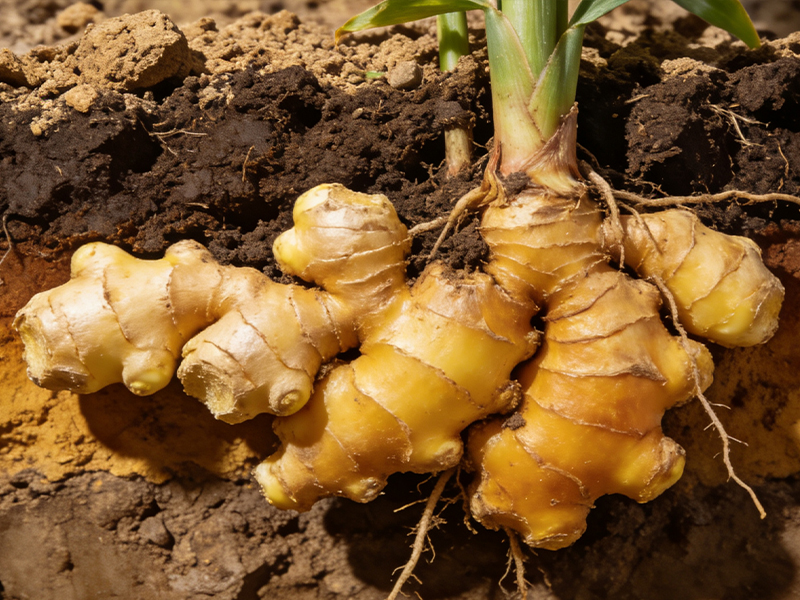
Healthy Ginger Starts from the Roots. See the vigorous, dense rhizome growth nurtured by our specialized nutrition. 🌱💪 #GingerFarming #PlantHealth
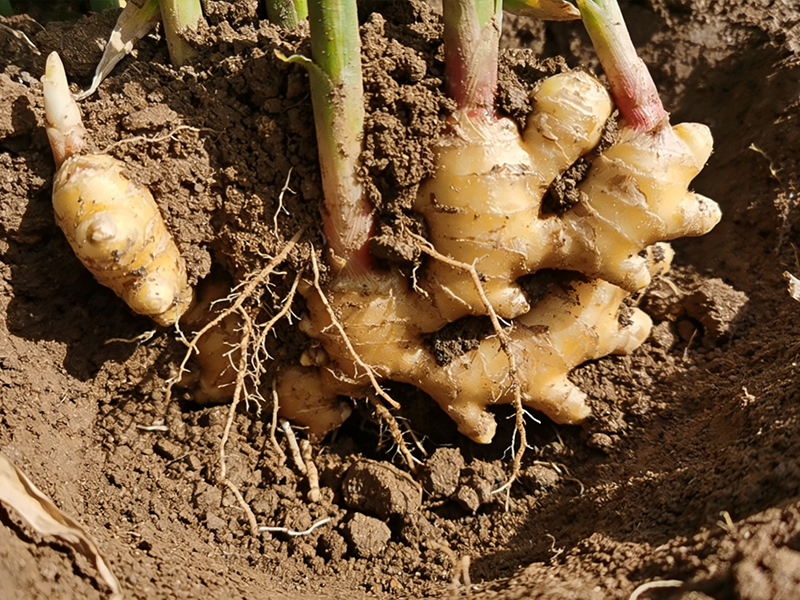
Strong Roots, Bountiful Harvest. Our fertilizer promotes robust and uniform ginger rhizome development for maximum yield. 🚀🌿 #RobustGrowth #HighYield
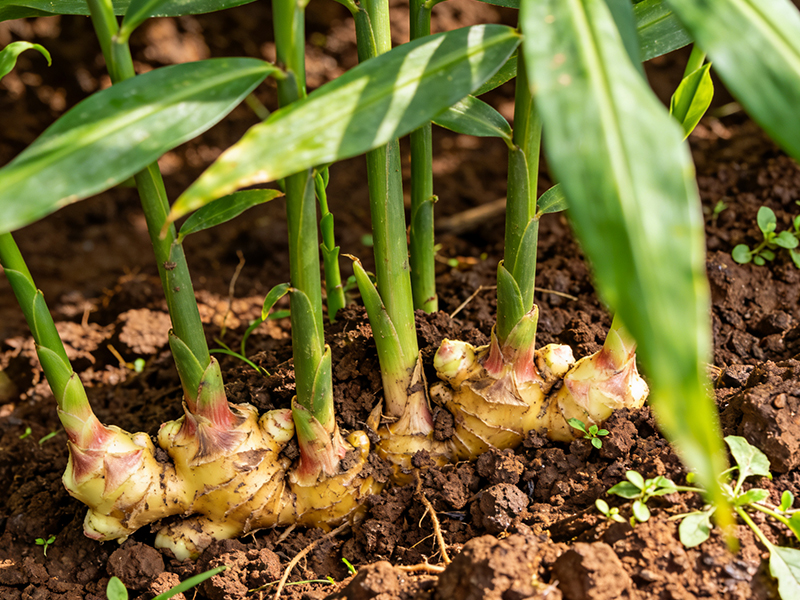
A Thriving Ecosystem Below. Healthy ginger roots in fertile soil – the foundation of a superior crop, supported by balanced nutrition. 🌍🌾
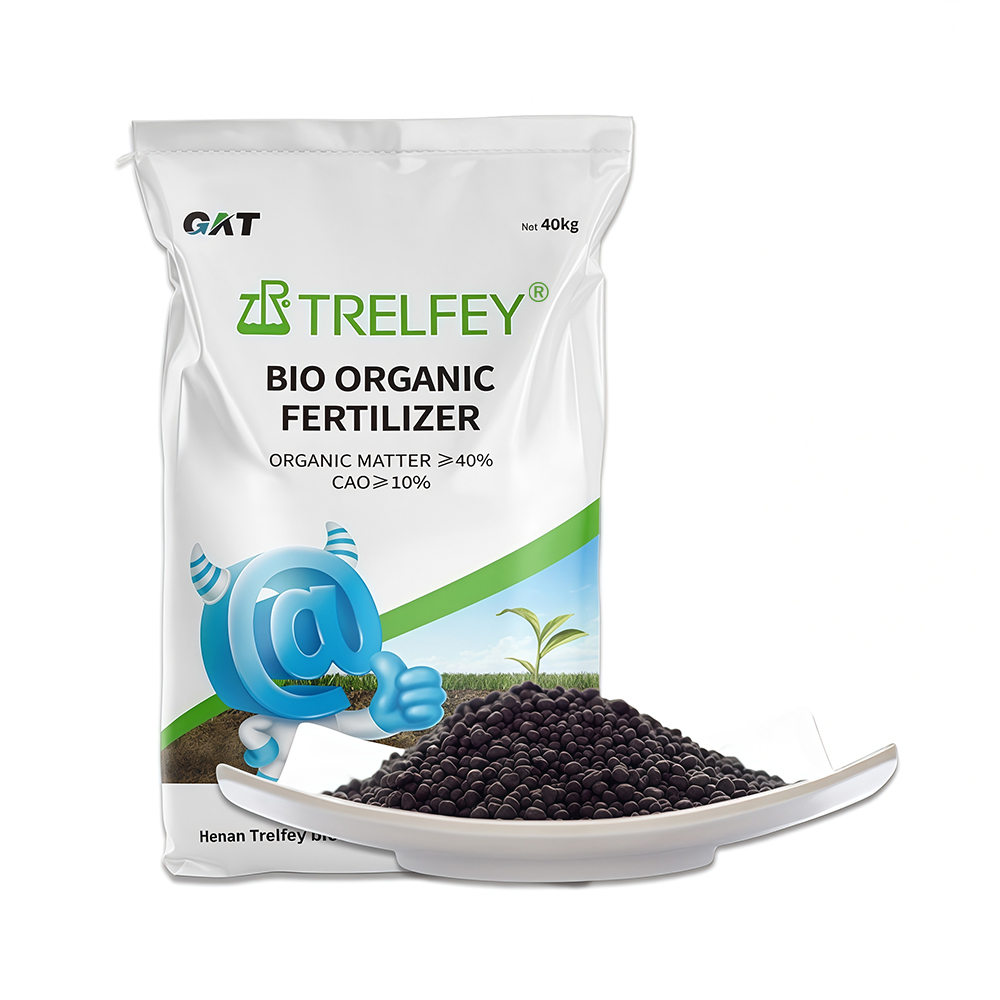
Bio-organic fertilizer
Organic matter ≥40%, CaO≥10%
The number of beneficial live bacteria ≥0.20 billion/g
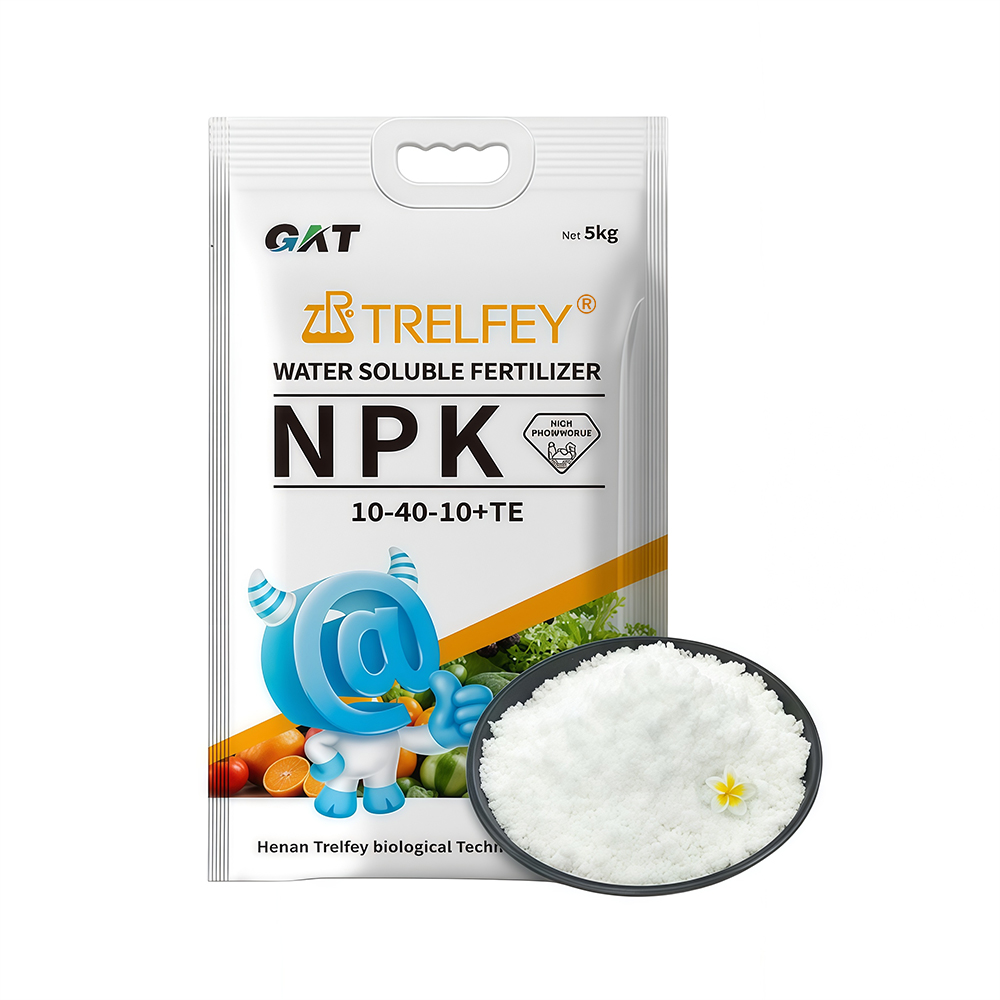
Water soluble fertilizer
Protect the roots and nourish the roots, protect the buds and protect the flowers
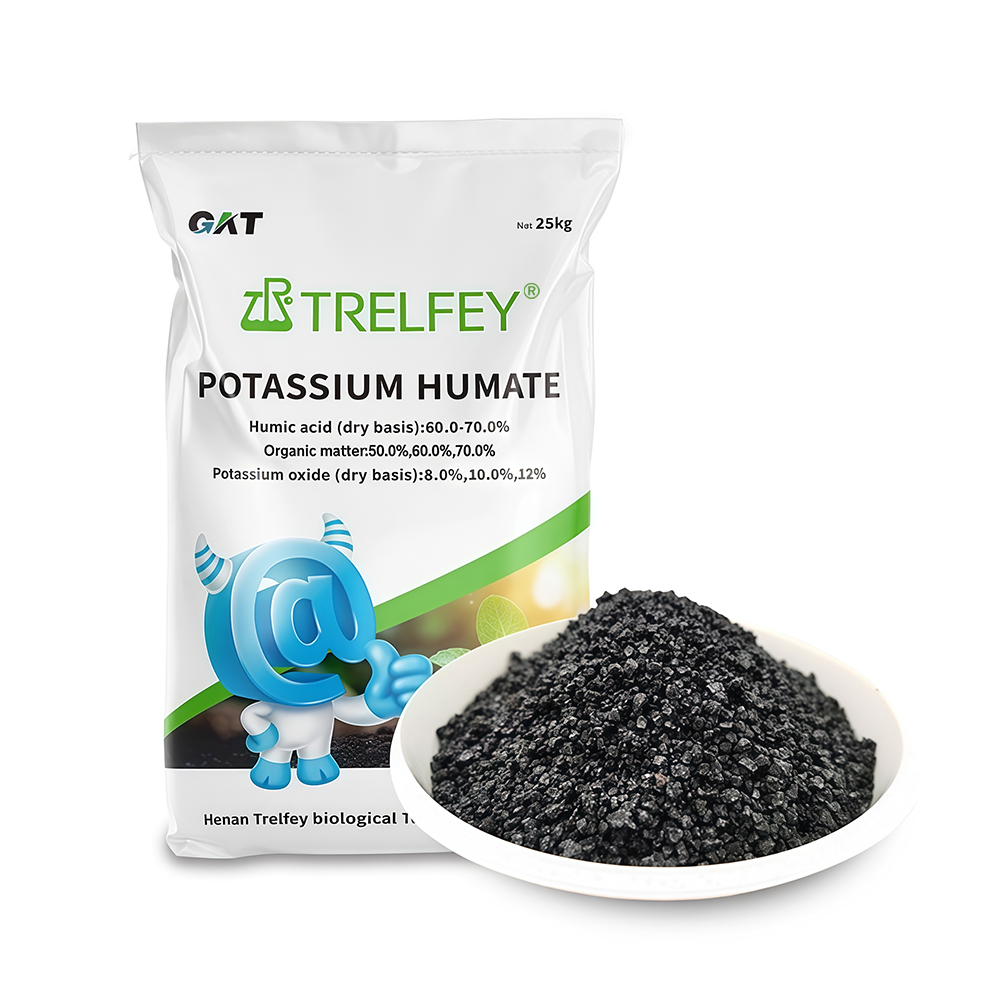
Potassium humate granules
Humic acid (dry base): 60.0-70.0%
Total nutrient (KOO): 8.0%-12.0% (customizable)