
The Most Frustrating Artichoke Growth Problems & Fixes
A Grower's Guide
Introduction
Artichoke cultivation presents unique challenges. This guide addresses key pain points with data-driven solutions. We integrate findings from leading agricultural research. Our goal is to enhance your yield and crop quality. We focus on practical, science-based methods for growers worldwide.
Understanding Artichoke Growth Requirements
Artichokes (Cynara cardunculus var. scolymus) thrive in Mediterranean climates. They require cool, moist conditions for bud development. Optimal growth occurs between 12-24°C. Plants need well-drained, fertile soil with a pH of 6.5-7.5. They are heavy feeders, demanding balanced nutrition. Insufficient nutrients lead to poor bud formation and low marketable yield.
Artichoke Grower Frustrations Solved: UC Research Shows Proper Nutrition Fixes Bud, Pest & Disease Issues (30% Higher Yields)
Common grower frustrations include erratic bud production, pest vulnerability, and soil-borne diseases. Addressing these issues requires integrated management. Research from the University of California Agriculture and Natural Resources highlights these challenges. Their studies show that proper nutrition can increase yields by up to 30%.
Core Challenges and Professional Solutions
1. Soil Preparation and Health Management
Poor soil structure and fertility are primary constraints. Artichokes deplete soil nutrients rapidly. Continuous cropping encourages fungal diseases like Verticillium wilt. A study in the Italian Journal of Agronomy found that soil solarization combined with organic amendment reduces wilt incidence by over 40%.
Solution: Implement a robust soil health program. Before planting, deep plow and incorporate 15-20 tons of well-composted manure per hectare. This improves soil organic matter. For growers who wish to produce high-quality compost locally, using a decomposer inoculant is cost-effective. It accelerates the composting process, ensuring a stable, pathogen-free organic fertilizer.
To combat soil fatigue and nematode issues, apply a bio-fungicide and nematicide microbial agent at planting. This product, containing beneficial fungi like Trichoderma harzianum, protects young roots. It is a key tool for sustainable artichoke farming.
2. Precision Nutrition and Fertilization Strategies
Nutrient deficiency and imbalance severely impact bud size and quantity. Artichokes have high demands for nitrogen (N), potassium (K), and boron (B). However, excess nitrogen promotes leafy growth at the expense of buds.
Solution: Adopt a stage-specific fertilization plan.
Basal Application: Apply 2 tons per hectare of a balanced bio-organic fertilizer to provide slow-release nutrients and improve soil biology.
Vegetative Stage: After transplanting or first shoots emerge, focus on nitrogen. Apply 150-200 kg/ha of a liquid nitrogen fertilizer (42-0-0) in split applications. This promotes strong leaf development, which is crucial for future bud production.
Bud Initiation and Development: This is the most critical phase. Shift to high potassium and phosphorus. Apply 15-20 kg/ha of MKP (0-52-34) as a foliar spray or through drip irrigation. MKP directly supports flower bud formation and improves bud density. Simultaneously, apply a liquid fertilizer with amino acids, calcium, magnesium, and fish protein. This combination enhances cell wall strength, reduces tip burn, and improves stress tolerance. Research cited by the International Society for Horticultural Science (ISHS) shows that balanced Ca/K ratios can reduce bud deformity by 25%.
Micronutrient Management: Boron and zinc are essential. Apply a comprehensive amino acid and trace element liquid fertilizer containing chelated micronutrients during bud swell. This ensures proper bud development and prevents hollow stems.
3. Optimized Irrigation and Water Management
Inconsistent watering causes bud abortion and encourages diseases like powdery mildew. Artichokes require consistent moisture, especially during bud development, but are sensitive to waterlogged roots.
Solution: Implement drip irrigation. It delivers water and dissolved fertilizers directly to the root zone with over 90% efficiency. Schedule irrigation based on soil moisture sensors. Provide approximately 5-7 ML (mega-liters) of water per hectare per growing cycle. Mulching with straw conserves soil moisture and suppresses weeds.
4. Integrated Pest and Disease Control (IPM)
Artichoke plume moth and aphids are major pests. Fungal diseases like Botrytis rot can destroy buds in humid conditions.
Solution:
Pests: Monitor fields weekly. Introduce beneficial insects like ladybugs for aphid control. For plume moth, use targeted pheromone traps and apply approved biological insecticides when larval counts exceed thresholds.
Diseases: Ensure good air circulation through proper spacing. Apply microbial agents that induce systemic resistance in plants. At the first sign of Botrytis, remove infected plant parts. A report from the Food and Agriculture Organization (FAO) emphasizes that preventive IPM strategies can reduce pesticide use by 50-70% while maintaining yield.
Advanced Techniques for Higher Yields
Hydroponic and Soilless Cultivation
For regions with poor soil or high disease pressure, hydroponic artichoke production is viable. Systems like deep water culture or drip hydroponics allow complete control over nutrition. Use a complete NPK water-soluble fertilizer with TE (Trace Elements), such as a 10-5-45 + TE formula during fruiting. Studies from Hydroponics and Soilless Culture research groups indicate that hydroponic artichokes can achieve 20% faster growth and more uniform bud sizing.
Overcoming Biennial Bearing Tendencies
Artichokes often produce erratically. To force consistent annual production, use a technique called “vernalization.” Expose young plants (with 8-10 leaves) to 10-15 days of temperatures below 10°C. This mimics winter and synchronizes bud set. Following vernalization, apply a root-stimulating microbial agent to encourage a new flush of growth for bud production.
Conclusion: Building a Profitable Artichoke Operation
Successful artichoke cultivation hinges on proactive management. By understanding the plant’s needs and applying precise solutions, growers can overcome common frustrations. Investing in soil health, stage-specific nutrition, and IPM forms the foundation. Advanced techniques like soilless culture offer alternatives for challenging environments.
As a leading fertilizer wholesale factory, we provide the specialized inputs for this journey. From high-efficiency MKP fertilizer to microbial inoculants, our products are formulated based on the latest agronomic research. We support commercial artichoke growers and agricultural wholesalers with solutions that enhance yield and profitability.
If you have any questions that need to be answered, you can always find us through the chat icon in the lower right corner of the page or directly enter Trelfey’s store to view the products.
Of course, you can also check out our other social media (such as Linkedin) to learn more about us.
Cited Resources:
University of California Agriculture and Natural Resources (UC ANR) – Artichoke Production
International Society for Horticultural Science (ISHS) – Acta Horticulturae Journals
Food and Agriculture Organization (FAO) – Integrated Pest Management
Italian Journal of Agronomy – Research on Soil-Borne Diseases
University of Florida IFAS Extension – Alternative Crop Guides
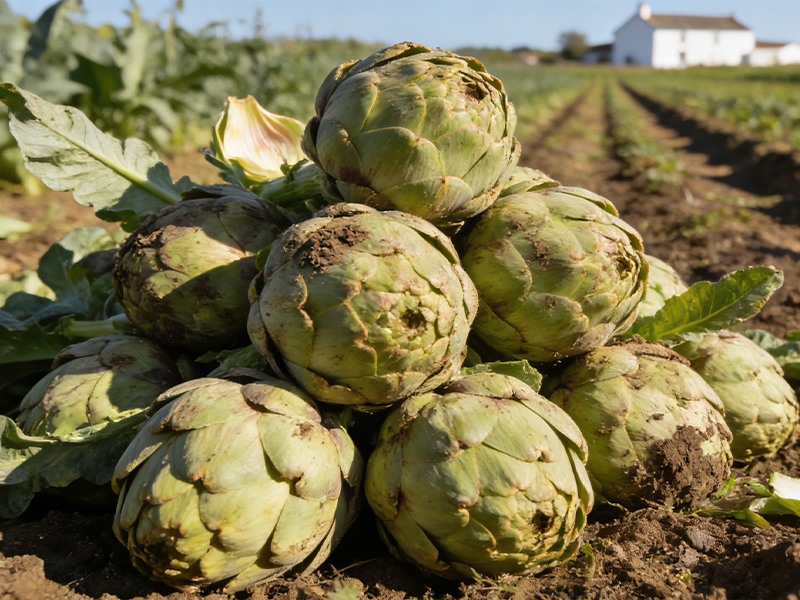
Look at this heap of plump, fresh-picked artichokes from our Trelfey-nourished field 🥬🌾! Not long ago, this plot struggled with frustratingly low yields, small, underdeveloped heads, and spotty growth that made every harvest feel like a letdown. But Trelfey Artichoke Fertilizer’s balanced, nutrient-rich formula gave the soil the exact boost it needed. Now? We’re harvesting armfuls of perfect, market-ready artichokes — no more settling for less.
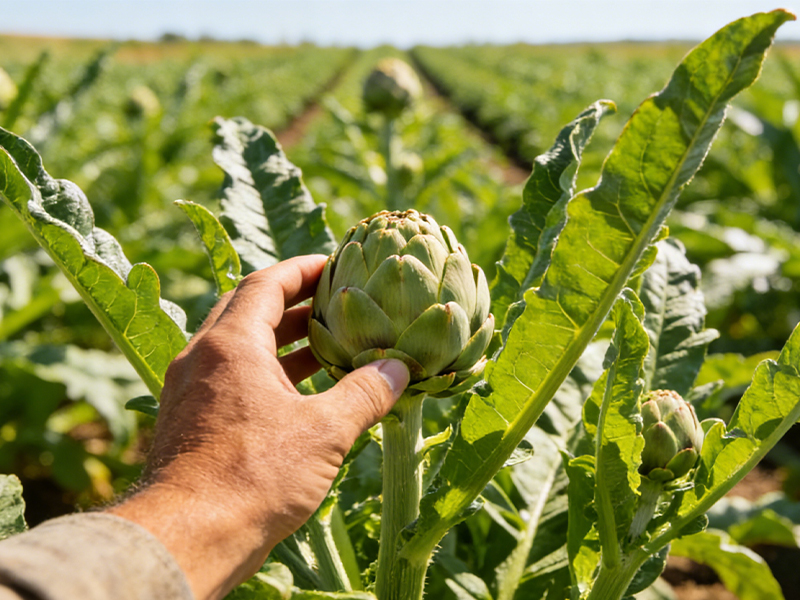
These lush, thriving artichoke rows are the power of Trelfey Artichoke Fertilizer at work 🪴💚! No more stunted, leggy plants, or pale foliage that fades before artichoke heads can form. Our fertilizer delivers slow-release, targeted nutrients that feed the roots first, building strong, resilient plants that handle sudden weather shifts and common artichoke growth stressors. Every stem is sturdy, every leaf is bright green — this is the steady, healthy growth that leads to a huge harvest.
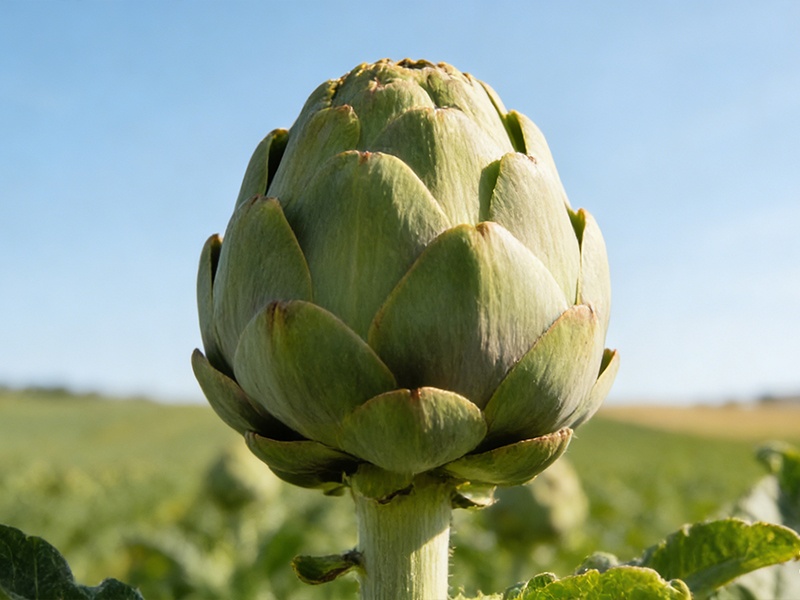
Zoom in on the details that make a great artichoke stand out 
 ! This tight, vibrant artichoke head is grown with Trelfey Artichoke Fertilizer: tender, crisp bracts, rich deep-green color, and the firm, juicy texture that chefs and home growers crave. Our formula doesn’t just boost yields — it elevates quality, turning ordinary artichokes into premium, flavorful produce that wows at farmers’ markets or on your dinner table. This is the game-changing difference Trelfey makes!
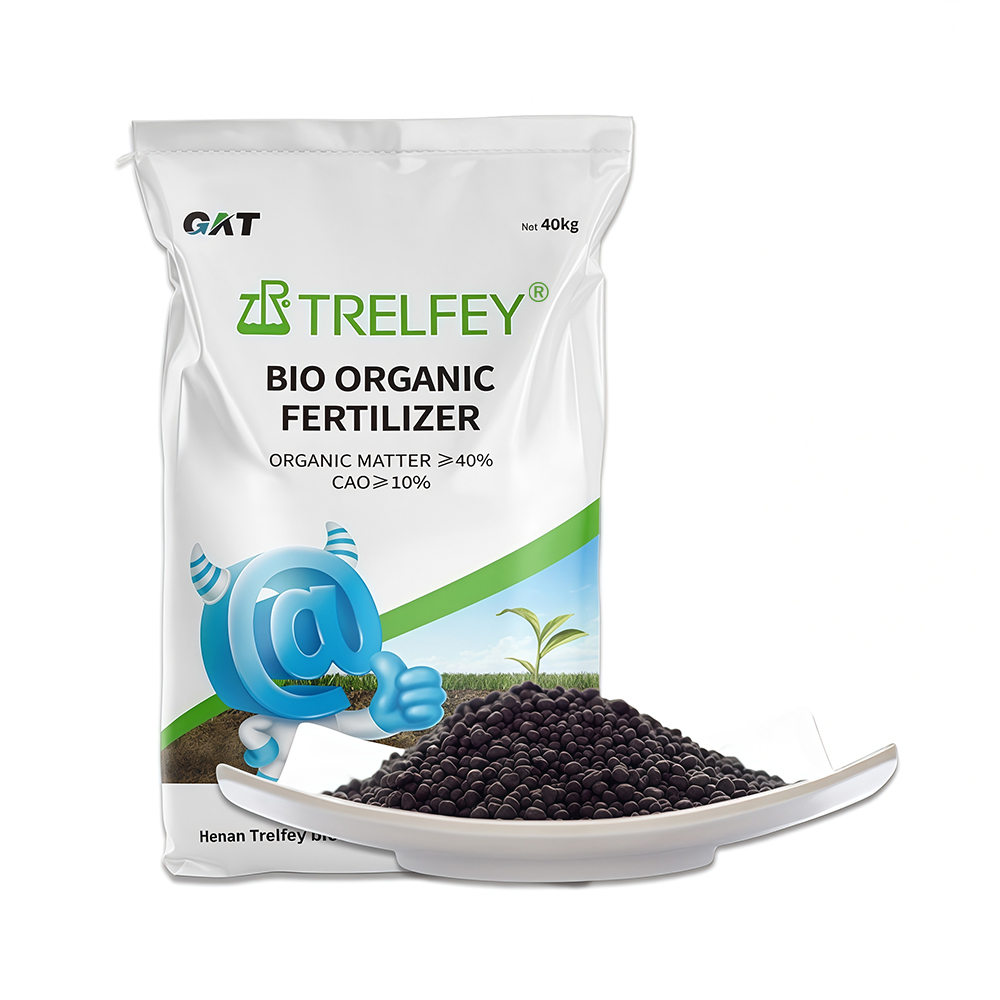
Bio-organic fertilizer
Organic matter ≥40%, CaO≥10%
The number of beneficial live bacteria ≥0.20 billion/g
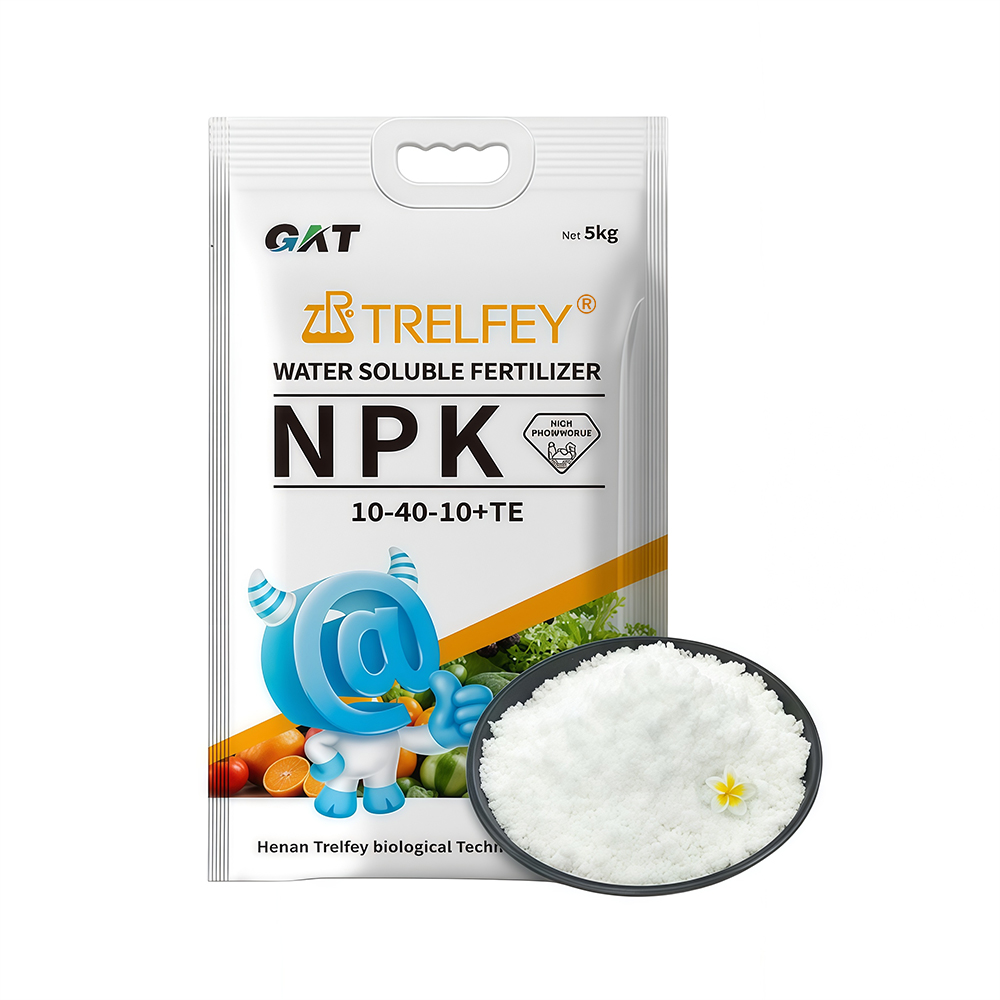
Water soluble fertilizer
Protect the roots and nourish the roots, protect the buds and protect the flowers
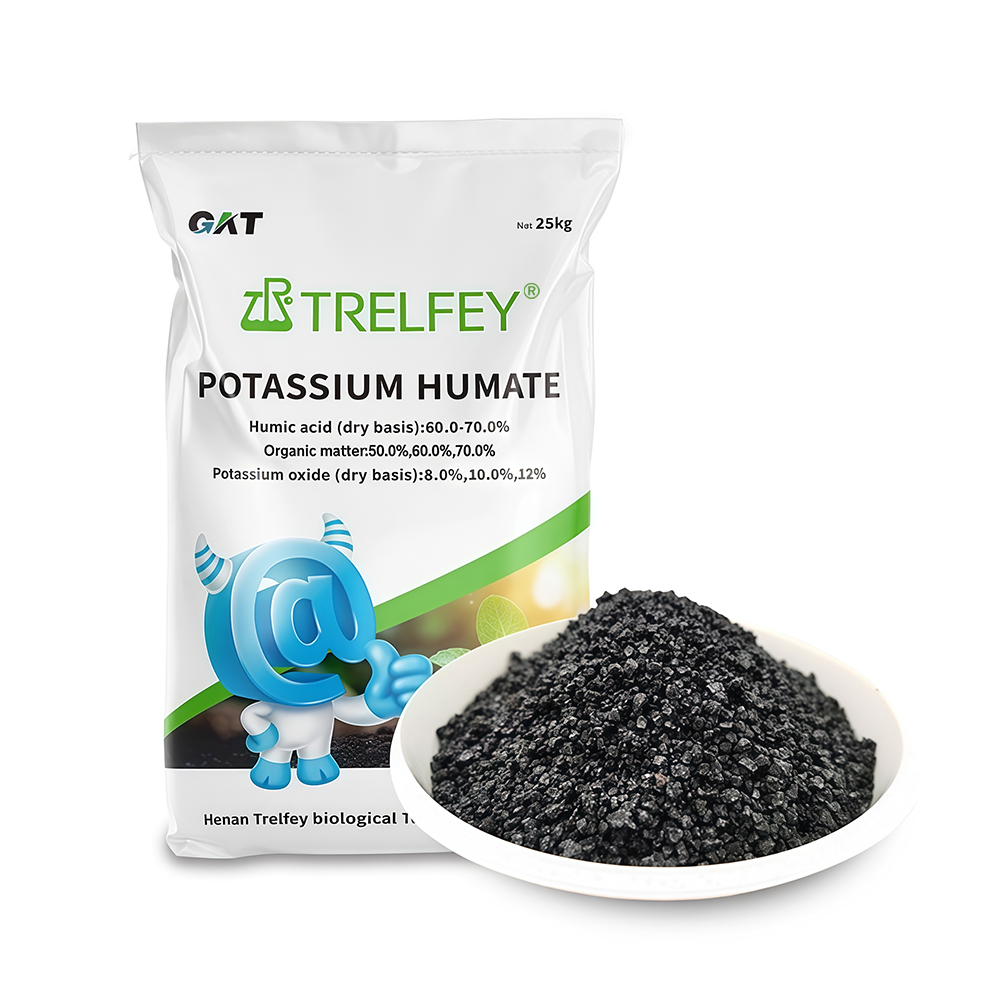
Potassium humate granules
Humic acid (dry base): 60.0-70.0%
Total nutrient (KOO): 8.0%-12.0% (customizable)