
High-Yield Cherry Pollination Solutions
Proven Techniques and Data-Driven Solutions
Introduction
Successful sweet cherry cultivation hinges on strategic management practices that address critical challenges like pollination limitations, nutrient deficiencies, and environmental stresses. This comprehensive guide synthesizes the latest research to help growers maximize yields and fruit quality while minimizing production risks. By implementing science-based solutions, you can transform your cherry orchard into a profitable enterprise.
Unlocking Effective Pollination for Higher Fruit Set
Understanding Cherry Flower Compatibility
Cherry trees exhibit complex reproductive biology that requires careful planning. Unlike some fruit trees, most sweet cherries are self-incompatible, meaning they cannot pollinate themselves. A recent study in Annals of Applied Biology revealed that semi-compatible varieties (sharing one S-allele) performed nearly as well as fully compatible pairs, expanding potential pollinator options by 40%.
The research introduced a Predictive Pollination Success (PPS) index to quantify pollination effectiveness. Compatible pairings typically achieve pollen tube counts exceeding 2 at the style base, resulting in fruit set rates of 7.0%-8.6% compared to incompatible pairs with only 0.39±0.12 pollen tubes.
Strategic Orchard Design for Optimal Pollination
Select 3-4 complementary varieties with overlapping bloom periods and genetic compatibility
Ensure 20% of trees are dedicated pollinizers distributed throughout the orchard
Prioritize flowering synchrony – research showed early and late-flowering varieties may have as little as 15% bloom overlap
Include semi-compatible pairs to expand pollinizer options without sacrificing yield
Addressing Pollen Limitation
Natural pollination often results in suboptimal fruit set, with studies showing pollen limitation (PL) exceeding 50% in many orchards. This translates to average fruit set rates of only 6.6%, with some varieties falling below the 5% economic threshold.
Mechanical pollination technologies offer promise where insect pollinators are deficient. Preliminary research from Washington State University indicates that mechanical methods can effectively maintain cherry and apple yields.
Managing Tree Architecture for Improved Production
Controlling Excessive Vegetative Growth
Sweet cherries exhibit strong apical dominance, leading to upright growth with poor lateral branching – a significant challenge for commercial production. This natural growth habit results in trees that “grow strong and upright like forest trees” without human intervention.
Effective Canopy Management Techniques
Research from North Anatolia (2021-2023) demonstrated that combined bud management (BM) and Perlan applications (P) effectively promoted lateral branch development. The BM+P treatment produced the best results, generating sufficient numbers of moderately vigorous lateral branches ideal for fruit production.
Regular dormant pruning balances vegetative and reproductive growth, while summer pruning improves light penetration into the canopy, enhancing fruit quality and flower bud formation for subsequent seasons.
Optimizing Nutrient Management for Superior Yields
Addressing Key Nutrient Requirements
Sweet cherries have specific nutritional needs that vary throughout the growing season. Nitrogen is crucial early for vegetative growth, while phosphorus supports root development and flower initiation. Potassium is vital for fruit size and quality, and calcium is critical for fruit firmness and storage life.
Season-Stage Fertilization Strategies
Early Spring (Bud Break): Apply Trelfey’s 30-10-10+TE NPK Water-Soluble Fertilizer to support initial growth and development
Bloom to Fruit Set: Switch to Trelfey’s 10-40-10+TE NPK Water-Soluble Fertilizer to enhance flowering and initial fruit development
Fruit Development Phase: Use Trelfey’s Amino Acid + Calcium Magnesium Fish Protein Liquid Fertilizer to improve fruit firmness and reduce cracking
Post-Harvest: Apply Trelfey’s 10-5-45+TE NPK Water-Soluble Fertilizer to support bud development for the next season
Research has shown that phosphorus application significantly influences yield and fruit quality in Gisela 6 rootstocks, highlighting the importance of targeted nutrient management.
Soil Health Foundation
Biological organic fertilizers like Trelfey’s Microbial Bio-Organic Fertilizer improve soil structure and nutrient availability. For cost efficiency, consider using Trelfey’s composting accelerators with local materials to produce high-quality organic matter onsite.
Addressing Common Production Challenges
Overcoming Fruit Cracking and Quality Issues
Fruit cracking caused by rainfall before harvest represents a major economic loss. Protected cropping systems (PCS) effectively reduce this issue while improving fruit set and size. However, PCS can create secondary challenges including excessive vegetative growth and reduced fruit firmness under certain conditions.
Climate Adaptation Strategies
Climate change introduces flowering timing shifts that disrupt pollination synchrony. Collecting region-specific phenology data is crucial for adapting orchard management practices. In regions experiencing warmer springs, selecting varieties with matching bloom periods becomes increasingly important.
Irrigation Management
Sweet cherries require consistent moisture, particularly during fruit development, but are sensitive to waterlogging. Ultra-high frequency irrigation systems have been studied in combination with phosphorus application to optimize yield and quality.
Advanced Production Systems for Higher Efficiency
Intensive Planting Approaches
Research on intensive sweet cherry cultivation using dwarfing rootstocks like Gisela series has enabled higher density plantings. These systems require specialized training and pruning but can deliver earlier production and higher yields per hectare.
Protected Cultivation Solutions
Protected cropping systems offer significant advantages for managing production risks. According to research from the University of Tasmania, PCS effectively reduces fruit cracking while improving fruit set and size. To counter potential fruit softening under protection, ensure adequate light exposure and consider calcium supplementation.
Integrating Microbial Solutions for Soil Health
Microbial inoculants offer sustainable solutions to common soil challenges. Trelfey’s root-promoting microbial agents enhance establishment of new plantings, while anti-replant microbial formulations help overcome soil sickness in replanted orchards. The anti-root knot nematode microbial agents provide biological protection against this damaging pest.
Conclusion: Implementing a Holistic Management Approach
Successful cherry production requires integrating multiple management aspects – from careful pollinator selection based on S-allele compatibility to precision nutrient management and strategic pruning. By addressing the key constraints identified in recent research and implementing these science-based solutions, growers can significantly improve both yield and fruit quality while reducing production risks.
If you have any questions that need to be answered, you can always find us through the chat icon in the lower right corner of the page or directly enter Trelfey’s store to view the products. Of course, you can also check out our other social media (such as Linkedin) to learn more about us.
References
Research on apical dominance and lateral branch development in sweet cherries
Intensive cultivation trials of sweet cherries in North America
Mechanical pollination as a potential solution for fruit tree pollination challenges
Production challenges for sweet cherries grown under protected cropping systems

Our fertilizer delivers targeted nutrients to strengthen roots, boost growth, and help trees absorb water efficiently. It’s not just about “growing trees”—it’s about growing healthy, high-yielding ones that set the stage for a fantastic harvest. 🍒
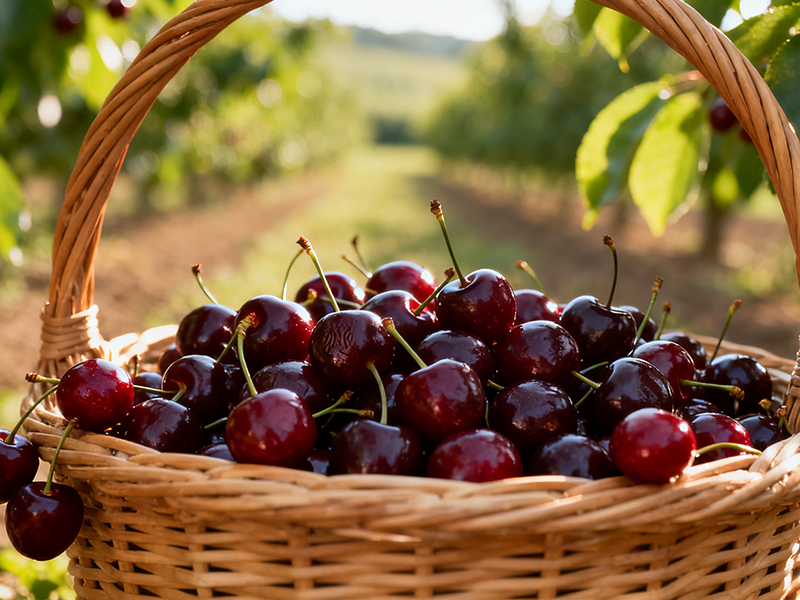
🍒 From the farm to the basket, our fertilizer ensured each cherry grew plump, juicy, and packed with natural sweetness. No small, lackluster fruits—just vibrant, ready-to-enjoy cherries that show how quality nutrients make all the difference in harvests.
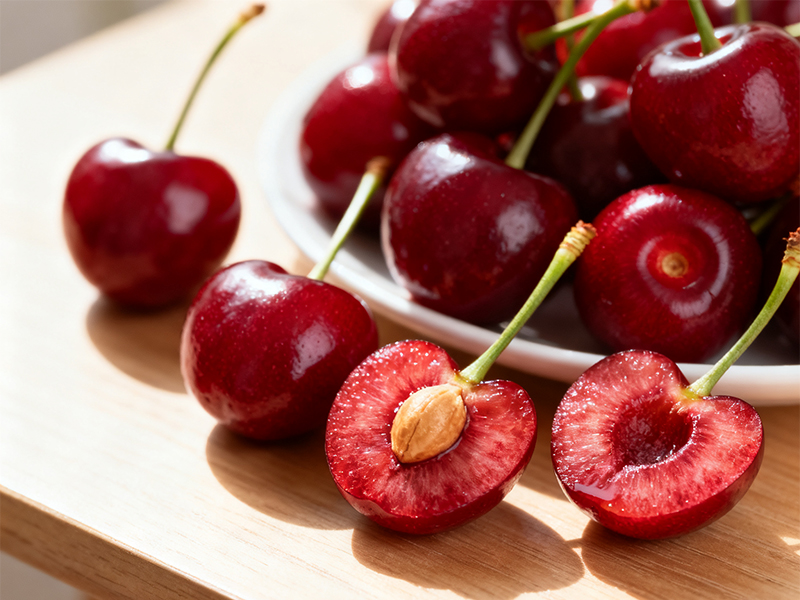
🍒 Our fertilizer can not only help trees grow, but also improve the quality of fruits: increase the sugar content and maintain the tenderness of the pulp. Cherries are planted with this scheme. The appearance of the fruit is shown in the figure.
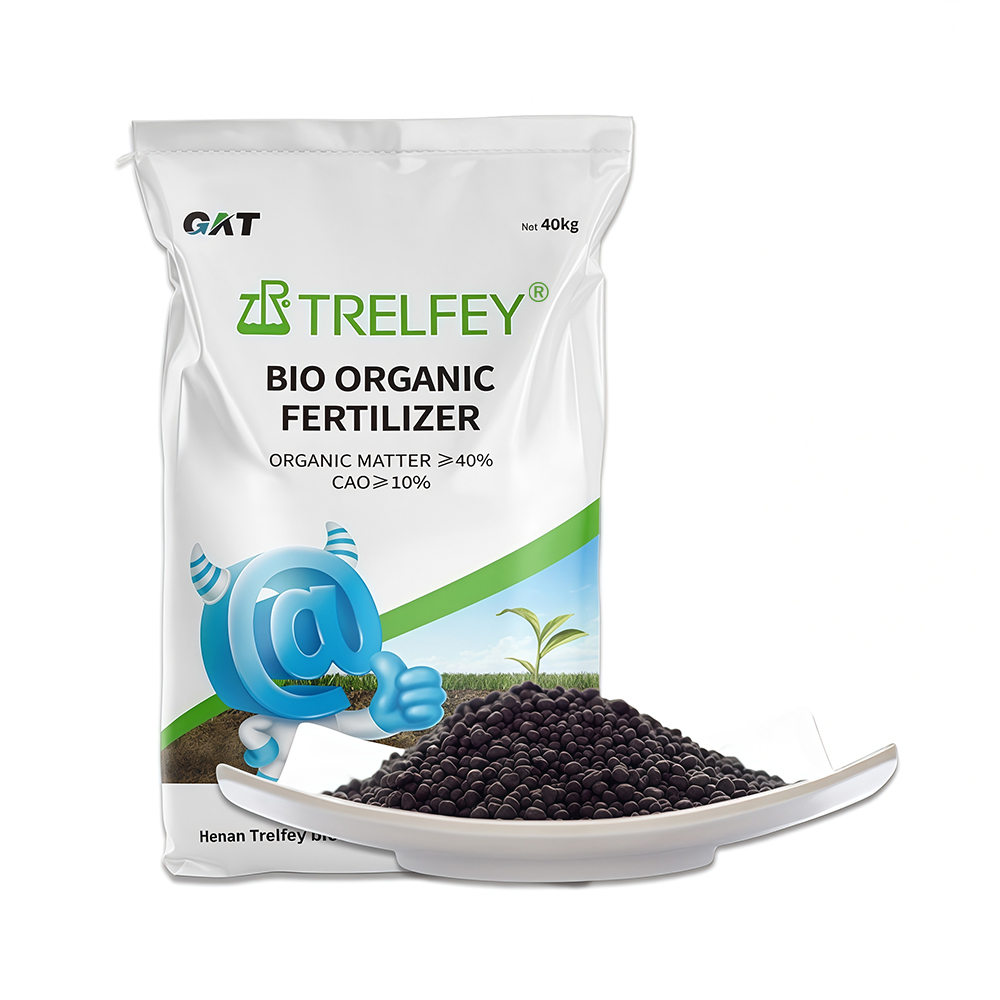
Bio-organic fertilizer
Organic matter ≥40%, CaO≥10%
The number of beneficial live bacteria ≥0.20 billion/g
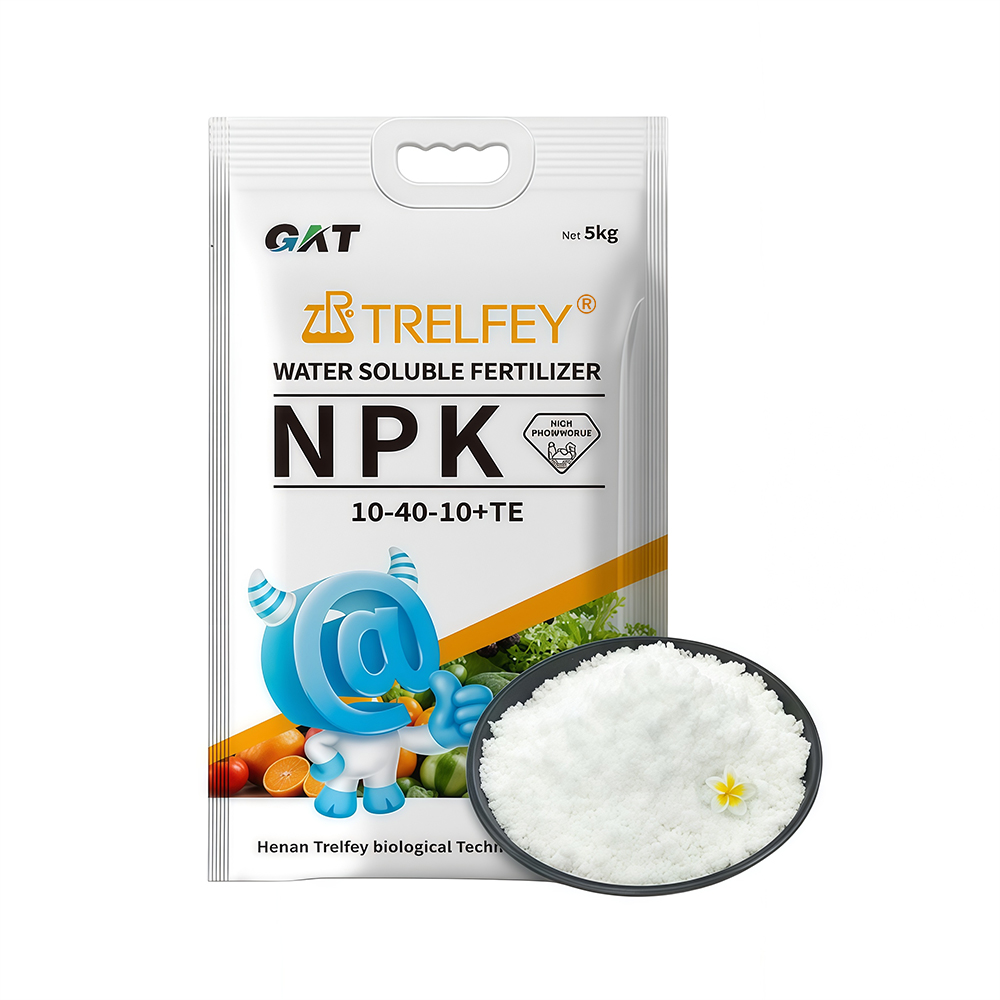
Water soluble fertilizer
Protect the roots and nourish the roots, protect the buds and protect the flowers
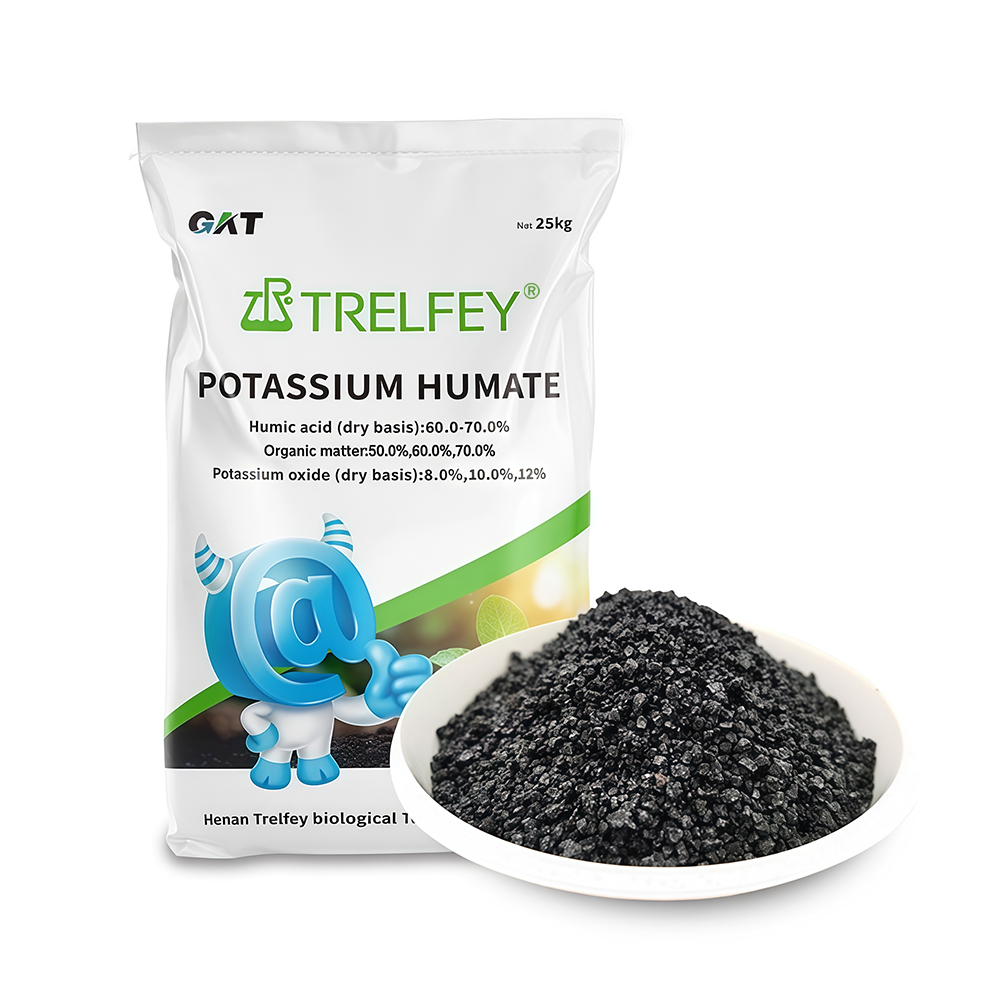
Potassium humate granules
Humic acid (dry base): 60.0-70.0%
Total nutrient (KOO): 8.0%-12.0% (customizable)