
The 5 most difficult problems in coriander planting
A Scientific Guide to Overcoming the 5 Most Difficult Problems in Coriander Planting: From Germination to Harvest
Coriander (Coriandrum sativum L.) is a high-value, aromatic crop cultivated worldwide. However, growers often face significant challenges that impact yield, quality, and profitability. Based on an analysis of prevalent issues in major growing regions and contemporary agricultural research, five core difficulties stand out: premature bolting, water stress management, nutrient optimization for quality, pest/disease pressure (specifically root-knot nematode), and soil fatigue from continuous cropping.
This guide synthesizes solutions from international scientific studies and field practices, providing a data-backed roadmap for commercial growers and agricultural input suppliers aiming to enhance production efficiency and crop value.
1. Controlling Premature Bolting for Extended Harvest
Premature bolting is the top complaint, causing bitter taste and rendering leaves unmarketable. It is primarily triggered by temperatures exceeding 25°C and long-day conditions.
Solution: Strategic Nutrition & Variety Selection: Mitigate stress-induced bolting by maintaining vigorous vegetative growth. A balanced nitrogen supply is crucial. Research indicates that foliar application of specialized amino acid and fish protein-based biostimulants can enhance stress tolerance. For base nutrition, a high-nitrogen formula like a 21-21-21 + TE water-soluble fertilizer applied early supports strong leaf development without prematurely triggering reproductive phases. Fundamentally, always select slow-bolting varieties suited to your season and photoperiod.
2. Mitigating Water Stress in Arid and Semi-Arid Regions
Coriander is sensitive to both drought and waterlogging. In sandy soils common in regions like North Africa, water stress drastically reduces biomass and essential oil yield.
Solution: Precision Irrigation & Foliar Nutrition: Studies in Egypt show that under moderate water stress (80% of crop evapotranspiration), foliar application of Boron (B) at 150 ppm significantly improved growth and yield parameters. This practice aligns with using a comprehensive Amino Acid + Calcium Magnesium + Fish Protein Liquid fertilizer. Such a formulation not only delivers crucial micronutrients like boron but also improves the plant’s osmotic adjustment and water-use efficiency under stress, safeguarding yield and oil quality when water is limited.
3. Optimizing Fertilization for Yield and Essential Oil Quality
The choice of fertilizer directly impacts not just yield, but also the concentration of valuable secondary metabolites like essential oils and antioxidants.
Solution: Integrated Organic-Inorganic Programs: A 2024 study found that organic fertilizer and vermicompost applications resulted in the highest linalool content (76.44%), the primary compound in coriander essential oil. For commercial growers, we recommend building soil health with Microbial Bio-organic Fertilizer or using our compost accelerators to produce quality organic matter on-farm. This should be combined with a tailored NPK Water-Soluble Fertilizer program (e.g., 30-10-10 for vegetative growth, shifting to a balanced 21-21-21 later). This combination mirrors the study’s successful approach, maximizing both agronomic and biochemical quality.
4. Combating Root-Knot Nematode (Meloidogyne spp.) Infestation
Root-knot nematode is a devastating soil-borne pest, causing galls, stunting, and severe yield loss, especially in continuous cropping systems.
Solution: Proactive Biological Strategy: Chemical nematicides offer control but raise residue and resistance concerns. A sustainable, preventive strategy involves applying Nematode-resistant Microbial Inoculant at planting. These beneficial microbes colonize the root zone, parasitizing nematode eggs and larvae while stimulating the plant’s own defense systems. For established fields, integrating this with soil amendment using Potassium Humate Granules can improve soil structure and further suppress nematode populations. This biological approach is core to managing replanting issues sustainably.
5. Addressing Soil Fatigue and Replanting Failure
Continuous coriander cultivation depletes specific nutrients, alters soil microbiology, and accumulates pathogens, leading to poor growth in subsequent plantings.
Solution: Break the Cycle with Microbiology and Green Manure: The most effective remedy is crop rotation. When rotation is limited, actively rebuild soil ecology. Apply a broad-spectrum Microbial Agent designed to combat soil fatigue. Research also supports using green manure; a 2025 study found that incorporating specific green manure biomasses significantly improved the postharvest quality and pigment content of coriander in an intercropping system. Coupling microbial inoculation with organic matter from green manure or our compost accelerators can effectively restore soil vitality and break the cycle of replant failure.
Conclusion and Commercial Product Integration
Success in modern coriander cultivation hinges on a science-based, proactive management strategy that addresses these five critical pain points. By integrating resistant varieties, precision water and nutrient management, and advanced biological tools, growers can achieve consistent, high-quality yields.
For fertilizer wholesalers and commercial farming operations, partnering with a technical fertilizer factory that provides this depth of crop-specific knowledge and a complete product portfolio—from high-efficiency NPK water-soluble fertilizers and liquid nitrogen fertilizers to specialized microbial agents—is a key strategic advantage. Implementing these integrated solutions builds resilience and profitability in your coriander supply chain.
If you have any questions that need to be answered, you can always find us through the chat icon in the lower right corner of the page or directly enter Trelfey’s store to view the products.
Of course, you can also check out our other social media (such as Linkedin) to learn more about us.
Quoted from:
| Karamanoglu Mehmetbey University Academic Repository |
| Tamil Nadu Agricultural University (TNAU) Agritech Portal |
| Anatolian Journal of Botany |
| AGRIS – FAO |
| MDPI Horticulturae |
| NWIFRI |
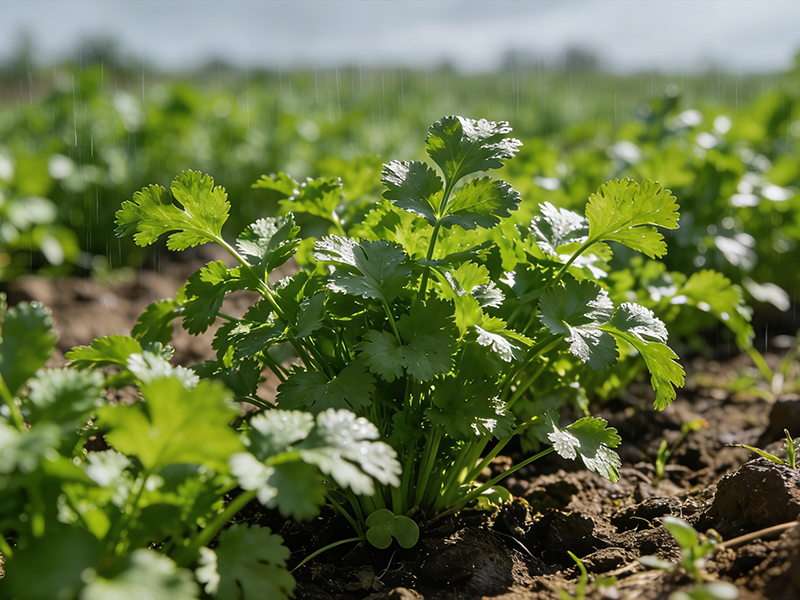
Vibrant, uniform coriander thriving with Trelfey’s specialized nutrition program. Our balanced NPK + TE formula supports strong, healthy growth from the start.
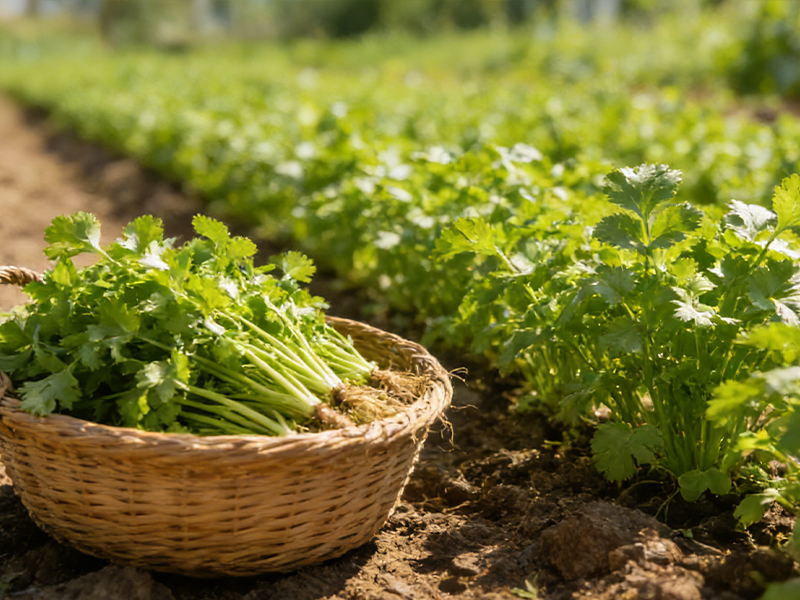
A record harvest achieved! Our tailored fertilizers enhance both leaf yield and essential oil quality, maximizing your field’s profitability.
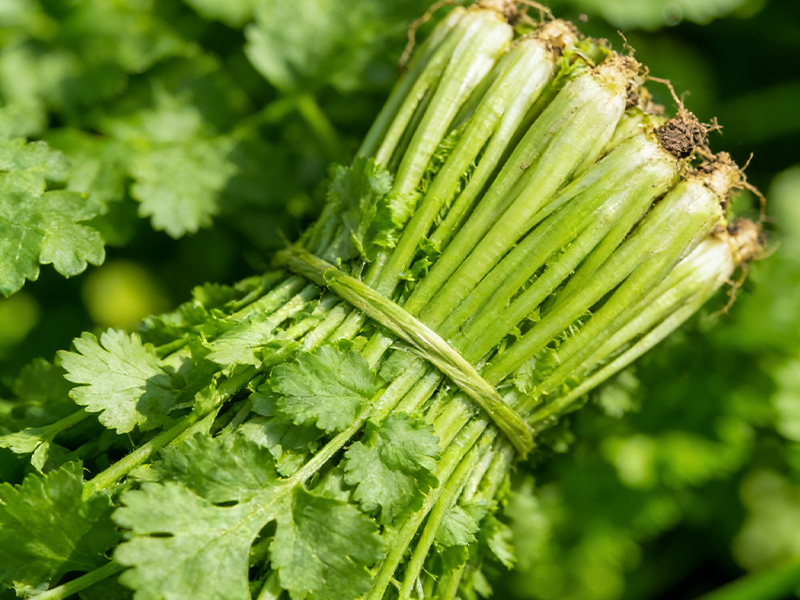
Premium, market-ready coriander. Crisp leaves and robust stems are the result of precise nutrient management with Trelfey’s solutions.
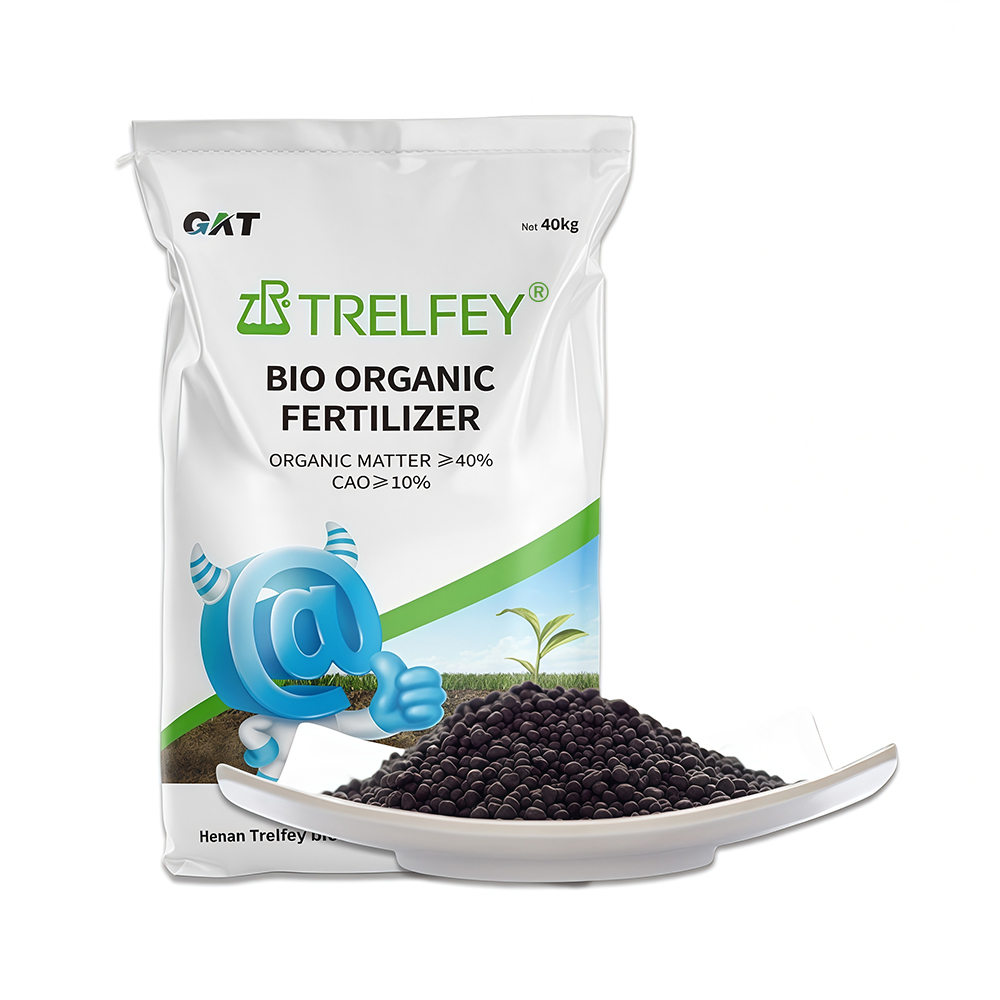
Bio-organic fertilizer
Organic matter ≥40%, CaO≥10%
The number of beneficial live bacteria ≥0.20 billion/g
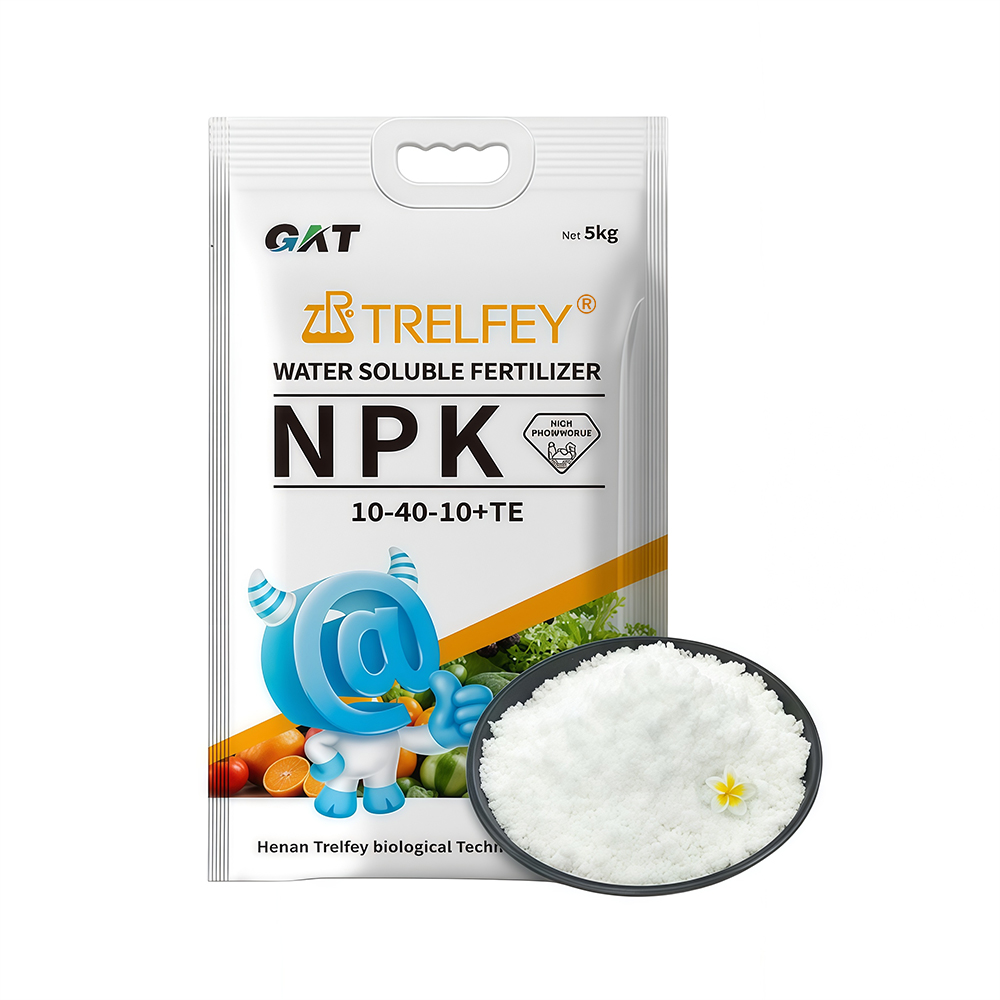
Water soluble fertilizer
Protect the roots and nourish the roots, protect the buds and protect the flowers
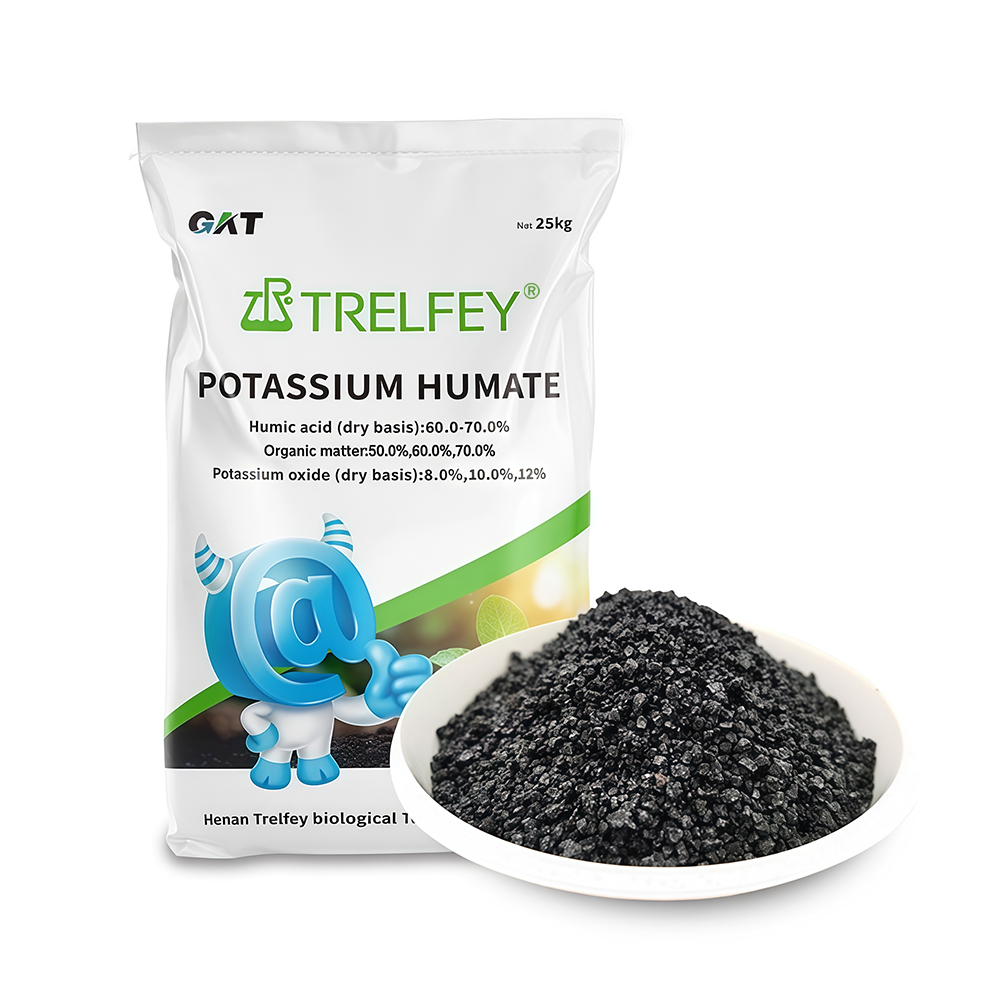
Potassium humate granules
Humic acid (dry base): 60.0-70.0%
Total nutrient (KOO): 8.0%-12.0% (customizable)