
Why Isn’t My Fig Tree Fruiting? 7 Tricky Problems & Quick Fixes
Cultivating Success: A Comprehensive Guide to Fig Tree Planting, Problem-Solving, and Fertilization Strategies
Fig trees (Ficus carica) are a valuable and rewarding crop for farmers worldwide, prized for their delicious fruit and adaptability. However, achieving consistent, high-quality yields requires precise knowledge and management. Commercial growers and wholesale distributors often face challenges like poor fruit set, pest pressures, and suboptimal nutrition, which directly impact profitability.
This guide synthesizes expert knowledge and proven research to address these core pain points. We will explore advanced fig cultivation techniques, diagnose common fig tree problems, and provide data-backed solutions, including a detailed fig fertilizer program. By integrating insights from leading agricultural institutions, this article aims to be your definitive resource for enhancing orchard productivity and fruit quality.
Mastering Fig Tree Cultivation: Essential Techniques for Optimal Growth
Successful commercial fig farming starts with understanding the tree’s fundamental needs. Figs thrive in well-drained, loamy soil with a pH between 6.0 and 6.5 and require full sun exposure for at least 8 hours daily. For growers in Mediterranean climates or similar regions like California, Chile, or South Africa, selecting the right cultivar for the local climate is paramount.
Proper irrigation is critical. While mature trees are drought-tolerant, consistent moisture during fruit development and ripening phases is essential for maximizing size and preventing fruit drop. Research from the University of California’s Division of Agriculture and Natural Resources emphasizes that controlled deficit irrigation can improve fruit quality without sacrificing yield. A common challenge, fig tree not fruiting, can often be traced back to irregular watering or excessive nitrogen application early in the season, which promotes leaf growth at the expense of fruit.
Diagnosing and Solving Common Fig Tree Problems
Even with good practices, growers encounter specific issues. Here are solutions to seven frequent problems, supported by agricultural science.
1. Poor Fruit Set or Drop
This is a primary concern for fig growers. Causes include insufficient pollination (for certain cultivars like ‘Smyrna’), water stress, or nutrient imbalance. A study highlighted in the Spanish Journal of Agricultural Research found that boron and potassium deficiencies are closely linked to fruit abortion. Ensuring adequate pollination for specific types and maintaining consistent soil moisture during early fruit development are key.
2. Leaf Rust and Fig Mosaic Virus
Fungal diseases like leaf rust can defoliate trees, weakening them. The University of Florida IFAS Extension recommends fungicide applications and removing fallen leaves to break the disease cycle. Fig Mosaic Virus, while not curable, can be managed by planting certified virus-free stock and controlling mite vectors.
3. Pest Infestations: Fig Borer and Root-Knot Nematodes
Fig tree borers can tunnel into trunks, causing branch dieback. Preventive measures include keeping the tree healthy and applying appropriate insecticides to the trunk. A more insidious problem is root-knot nematodes, which stunt growth and reduce yield. Incorporating biological fungicide and nematicide products into an integrated management plan is a sustainable strategy. Our Anti-Root-Knot Nematode Microbial Inoculant (/product-category/microbial-agent/) introduces beneficial microbes that suppress nematode populations and protect root systems, promoting healthier tree establishment.
4. Fruit Spoilage and Splitting
Fruit spoilage often results from fungal infections or insect damage. Good sanitation and proper spacing for air circulation are vital. Fruit splitting is typically caused by a sudden influx of water after a dry period. Implementing a regular, drip-irrigation schedule can prevent this.
5. Nutrient Deficiencies and Chlorosis
Yellowing leaves (chlorosis) frequently indicate iron deficiency, especially in high-pH soils. This can be corrected with chelated iron applications. A balanced nutritional program is the best defense.
Advanced Fig Fertilizer Program and Nutrition Management
A scientific fertilization strategy is the engine of high-yield fig production. Nutrient requirements shift dramatically throughout the growth cycle.
Early Spring (Bud Break to Fruit Set): The focus is on supporting new vegetative growth. A balanced, high-nitrogen formula is appropriate. Our Liquid Nitrogen Fertilizer (42-0-0) (/product/liquid-nitrogen-fertilizer/) provides readily available nitrogen to kickstart the canopy development. Application rate: 5-8 L per hectare via fertigation.
Fruit Development Phase: As fruits begin to form and swell, the demand for potassium and phosphorus soars. Potassium is crucial for sugar transport, fruit size, and quality. Mono Potassium Phosphate (MKP) (0-52-34) (/product/mkp/) is an excellent source of highly soluble phosphorus and potassium without nitrogen, preventing excessive late-season leafy growth. Concurrently, calcium is vital for cell wall strength and reducing fruit spoilage. Our Amino Acid + Calcium Magnesium + Fish Protein Liquid (/product/calcium-magnesium-fish-protein-liquid/) delivers these crucial secondary nutrients along with organic compounds that enhance uptake. Studies, such as those cited in the Turkish Journal of Agriculture and Forestry, have shown that combined foliar and soil application of calcium and potassium can reduce fruit cracking by up to 30% and improve marketable yield.
Pre-Harvest and Post-Harvest: To further enhance fruit brix (sugar content), color, and shelf life, a final potassium boost is beneficial. After harvest, a balanced application helps the tree recover and store energy for the next season. Incorporating Potassium Humate Granules (/product/potassium-humate-granules/) into your soil management plan improves soil structure and nutrient retention, creating a better foundation for long-term orchard health.
For growers seeking a complete and customizable nutritional solution, our range of NPK Water Soluble Fertilizers with TE (/product-category/npk-water-soluble-fertilizer/), such as the high-potassium formula (10-5-45+TE), allows for precise fertigation tailored to soil test results and specific growth stages.
Conclusion and Integrated Strategy
Maximizing fig orchard returns hinges on a holistic approach: selecting suitable varieties, implementing precise irrigation, vigilantly scouting for pests and diseases, and executing a stage-specific nutrition plan. For fertilizer wholesalers and large-scale farming operations, partnering with a reliable fertilizer factory that offers scientifically formulated products and agronomic support is a strategic advantage.
By addressing the core problems of fig cultivation with targeted solutions—from microbial inoculants for soil health to specialized foliar feeds for fruit quality—growers can significantly improve their outcomes. The journey to superior fig yield and quality is a continuous process of observation, learning, and applying the best available agricultural science.
If you have any questions that need to be answered, you can always find us through the chat icon in the lower right corner of the page or directly enter Trelfey’s store to view the products. Of course, you can also check out our other social media (such as Linkedin) to learn more about us.
Part of the text is quoted from
University of California, Division of Agriculture and Natural Resources (UC ANR) – Fig Fruit Development
University of Florida, Institute of Food and Agricultural Sciences (UF/IFAS) – Fig Leaf Rust
Food and Agriculture Organization of the United Nations (FAO) – Fig Production Guidelines
Spanish Journal of Agricultural Research – Study on Micronutrients in Fruit Trees
Turkish Journal of Agriculture and Forestry – Research on Calcium and Potassium in Fruit Quality
International Society for Horticultural Science (ISHS) – Acta Horticulturae Proceedings on Fig
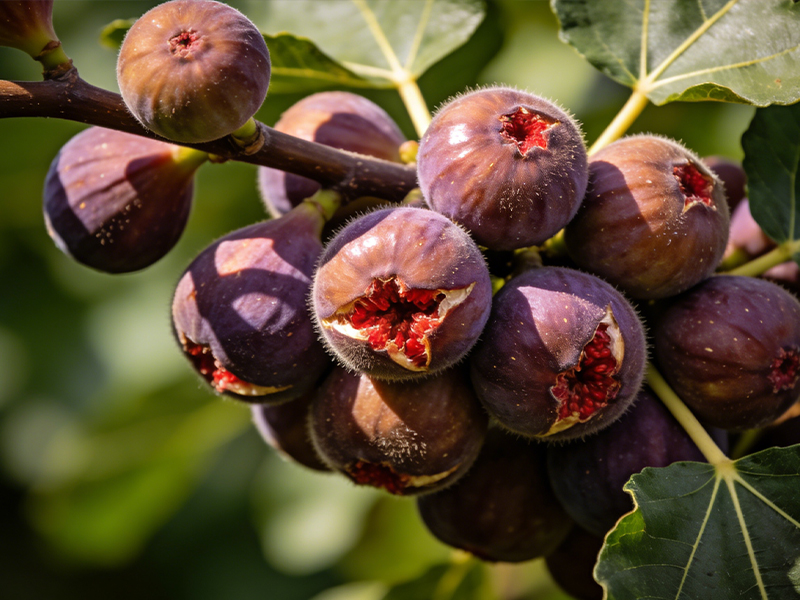
🌿 Vast fig orchard bursting with plump, glossy figs—branches bowed under abundant growth! Trelfey Fertilizer nourishes roots deeply for lush foliage.
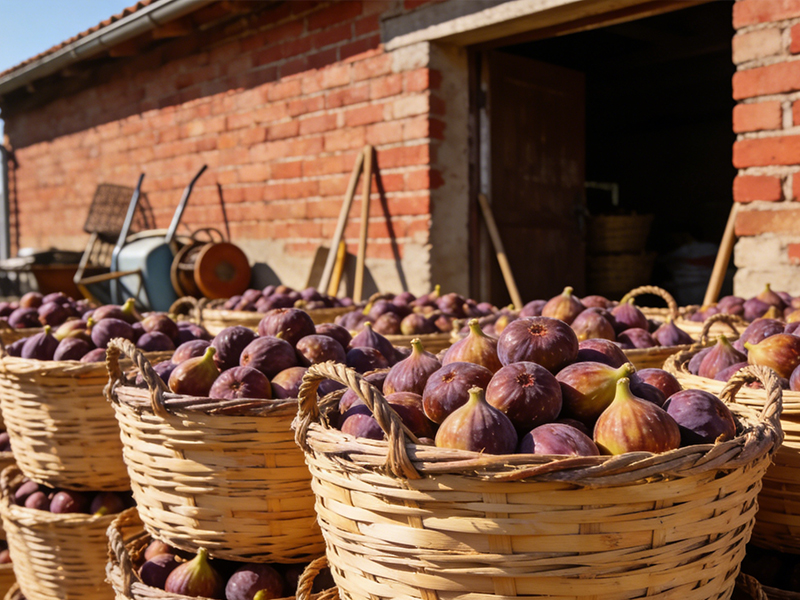
📦 Crates overflowing with sun-ripened figs! Trelfey’s fig-specific fertilizer boosts fruit set & size, turning your orchard into a high-yield paradise. 🍯
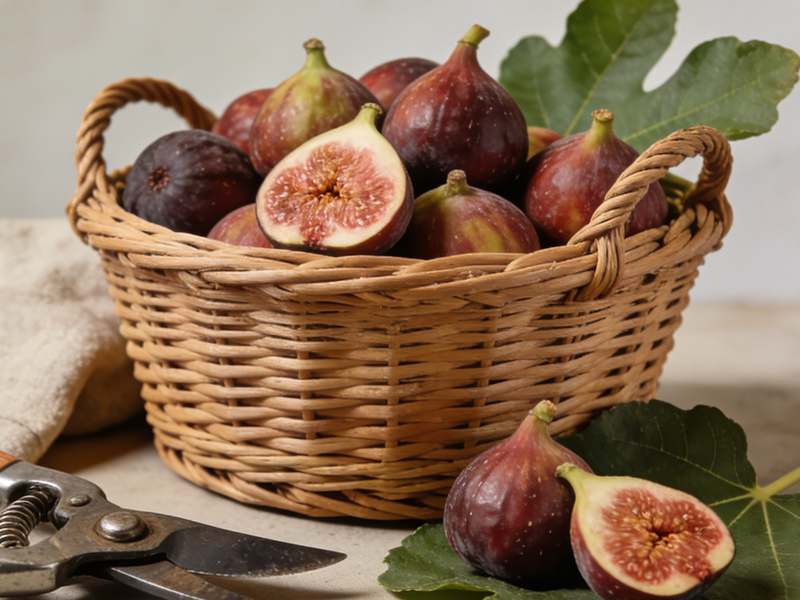
✨ Juicy fig halves reveal rich, vibrant pulp—sweet, succulent, and full of flavor! Trelfey Fertilizer enhances natural sweetness & texture for unforgettable tastes. 🍓
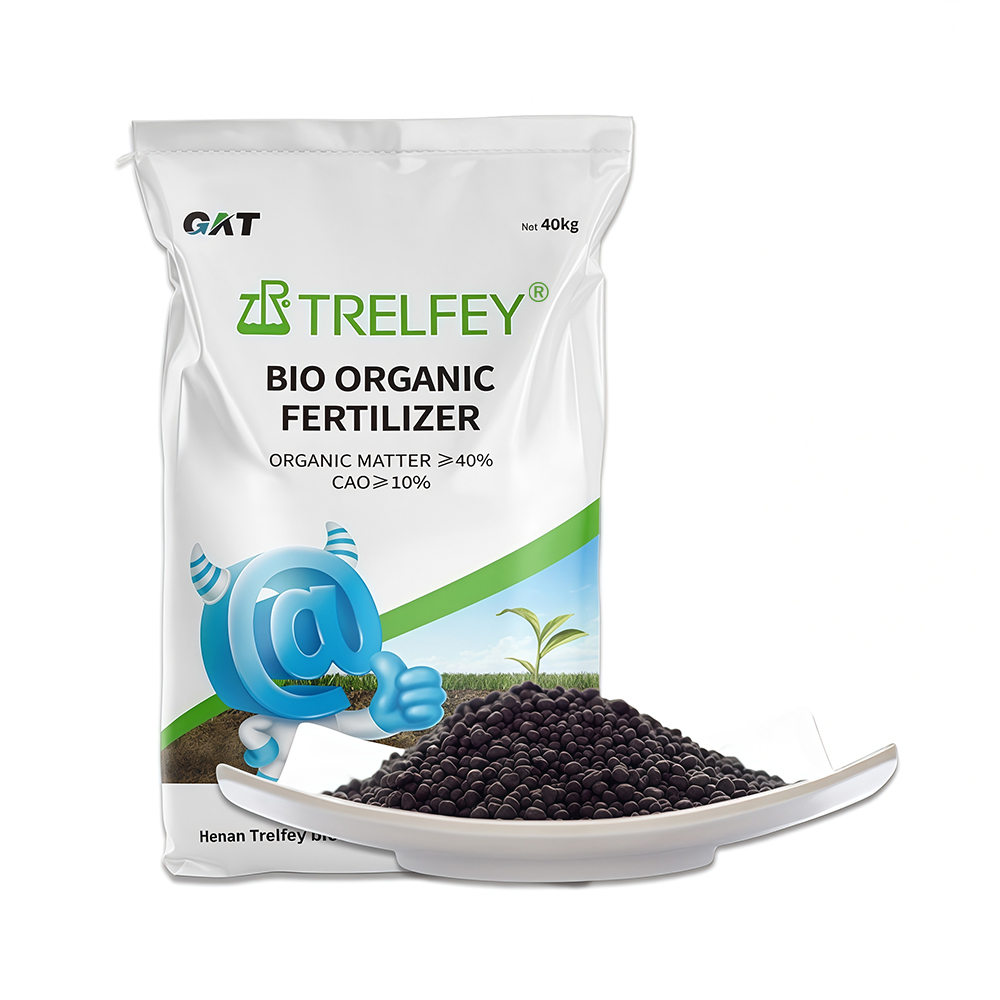
Bio-organic fertilizer
Organic matter ≥40%, CaO≥10%
The number of beneficial live bacteria ≥0.20 billion/g
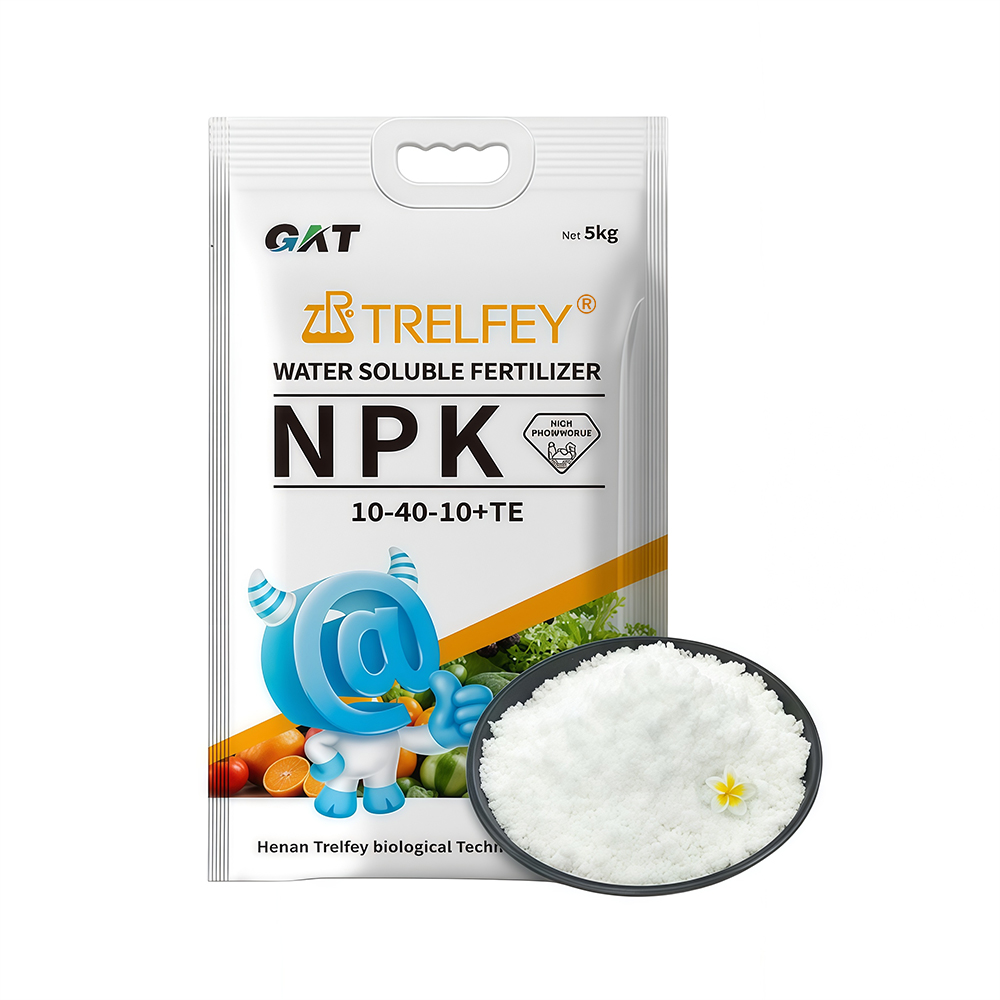
Water soluble fertilizer
Protect the roots and nourish the roots, protect the buds and protect the flowers
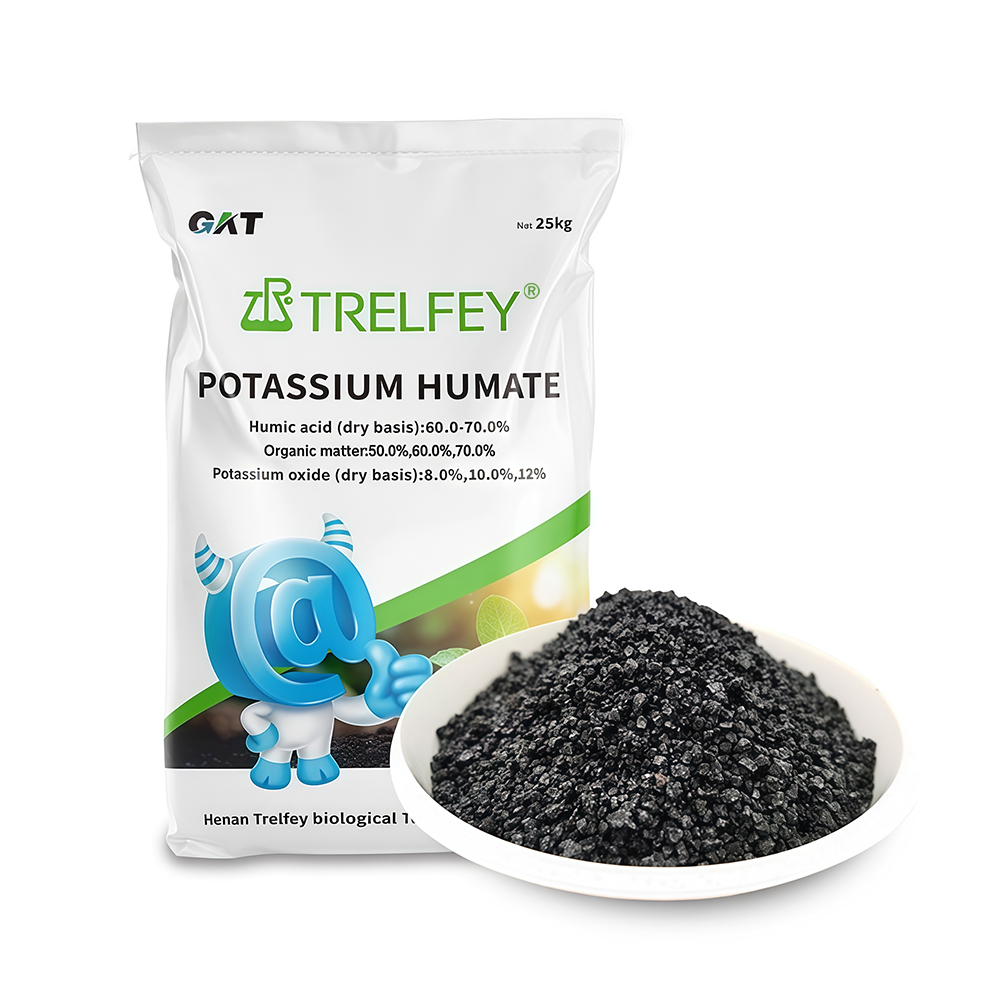
Potassium humate granules
Humic acid (dry base): 60.0-70.0%
Total nutrient (KOO): 8.0%-12.0% (customizable)