
The Ultimate Oatmeal High-Yield Harvest Guide
Proven Techniques for Maximizing Profits
Introduction: Unlocking the Potential of Modern Oat Cultivation
Oat production presents both unique opportunities and challenges for today’s grain growers. As global demand for oats continues to rise—driven by their heart-healthy benefits and gluten-free properties—the market has reached an estimated value of $9 billion worldwide. Yet many farmers struggle with persistent issues including disease pressure, yield plateaus, and quality inconsistencies that impact profitability.
This comprehensive guide synthesizes the latest research and field-tested strategies to help you optimize your oat production system. From cutting-edge AI technologies to practical nutrient management techniques, we’ll address the core challenges facing oat growers and provide data-driven solutions to maximize both yield and quality in your operation.
Understanding Oat Growth Fundamentals: From Seed to Harvest
Optimal Growth Conditions and Varietal Selection
Oats thrive in cool, temperate climates and can be planted early since they grow well in cool seedbeds, which reduces disease incidence. The choice between hulled and hull-less varieties represents your first critical decision. Hull-less varieties offer higher groat percentage but require more careful handling during harvest as they’re more susceptible to damage.
When selecting varieties, consider your target market. For human consumption, prioritize low oil content, high test weight, and elevated protein levels. For feed markets, focus on high oil content for increased energy value alongside good protein levels.
Regional considerations matter significantly. In China’s North China Production area, varieties with strong drought and cold tolerance are essential, while Southwest production area requires enhanced rust resistance.
Soil Preparation and Planting Strategies
Proper seedbed preparation sets the foundation for success. Research indicates that fall deep-plowing to 25-30 cm depth followed by appropriate spring tillage significantly improves oat establishment. The optimal sowing time aligns with stable temperatures above 10°C.
Seeding rates should be adjusted based on your objectives. When using oats as a companion crop with perennials like alfalfa, reduce seeding rates to two-thirds of normal. For drought conditions, increased seeding rates (up to 40 plants/m²) combined with later planting dates can help compensate for challenging conditions.
Addressing Key Production Challenges: Evidence-Based Solutions
Combating Major Disease Threats
Crown rust, caused by a highly aggressive fungal pathogen, represents the most destructive oat disease worldwide. Traditional resistance genes often fail within 5 years as the pathogen evolves. The Cobb scale method, dating back to the early 1900s, has been the standard for disease assessment but only measures disease level, not the actual mechanisms of plant-pathogen interaction.
Breakthrough Solution: Emerging AI technologies now enable more effective disease management. Computer vision systems can identify rust pustules with superior accuracy under variable light conditions—something humans cannot reliably achieve at scale. These deep learning models help breeders identify more durable resistance sources and allow farmers to implement targeted interventions.
For fungal diseases like rust and smut, integrated approaches deliver the best results. Combine resistant varieties with cultural practices including crop rotation and field sanitation to break disease cycles. Our Anti-root knot nematode type microbial agent enhances plant resilience against soil-borne pathogens while stimulating root development.
Nutrient Management for Optimal Yield and Quality
Oats respond strongly to proper nutrition, despite their reputation for growing in marginal soils. Research demonstrates that balanced fertilization can transform oat productivity. Chinese recommendations include applying 1500-2000 kg/ha of farmyard manure supplemented with 60-75 kg/ha of diammonium phosphate as starter fertilizer.
Additional topdressing with PK compound fertilizer at 75-150 kg/ha during stem elongation to heading phase meets critical reproductive needs. Our 21-21-21+TE NPK water-soluble fertilizer provides this ideal balance with essential micronutrients for optimal grain development.
Recent research on plant growth-promoting rhizobacteria reveals exciting possibilities. Brazilian studies show that Azospirillum brasilense inoculation significantly enhances root development through production of auxins, gibberellins, and cytokinins. Seed inoculation boosted root dry matter by 8.2%, while foliar application increased shoot fresh mass by 25.56%.
Our Rooting microbial agent delivers similar benefits, containing proprietary strains that enhance root architecture and nutrient uptake efficiency.
Precision Harvest Management: Maximizing Yield and Quality
Determining Optimal Harvest Timing
The harvest decision profoundly impacts both yield and quality. For grain production, the ideal window occurs when kernels reach 35% moisture—at the medium dough stage where grain is hard but can still be dented with a thumbnail. At this point, the hull has turned brown and the seed changes from green to cream color.
Delayed harvesting risks significant losses from shedding and lodging, particularly in varieties susceptible to these issues. Australian research recommends prioritizing harvest of these vulnerable varieties first to minimize losses.
Harvest Method Selection: Direct Heading vs. Swathing
Direct heading represents the most economical approach when grain moisture is uniform below 12%. However, this method risks harvest delays during periods of high humidity, potentially resulting in quality deterioration or losses from early rains.
Swathing (windrowing) provides an important alternative for unevenly maturing crops or regions with harvest-time climate challenges. This technique involves cutting the crop and placing it in rows supported above ground by remaining stubble. Key considerations for successful swathing include:
Implement when grain moisture is below 35%
Ensure adequate stubble height (minimum 30cm) to support the windrow
Cut across the sowing direction or at 45 degrees for wider row spacing
Complete swath harvest within 10 days to prevent quality issues
Recent Chinese research comparing four harvest methods found that while combined harvesting, manual harvesting, manual cutting + mechanical threshing, and mechanical cutting + mechanical threshing showed significant differences in total losses, impurity rate, and breakage rate, all methods maintained germination rates above 85%.
Water-Efficient Strategies: Innovations in Irrigation and Hydroponic Production
Optimizing Water Use in Field Production
Though oats demonstrate better drought tolerance than many cereals, strategic irrigation significantly boosts yield potential. Research indicates that single irrigation events at critical growth stages can dramatically improve performance in drought-prone regions.
Our Amino acid + calcium and magnesium + fish protein liquid fertilizer applied through irrigation systems delivers both moisture and essential nutrients during these critical periods, enhancing stress tolerance while supporting grain development.
Breakthrough Hydroponic Production Methods
For regions with limited land or challenging growing conditions, hydroponic fodder production offers an intriguing alternative. Research from Brazil demonstrates that 15-day production cycles can generate high-quality feed, with nutritional peaks occurring 10-12 days after sowing.
This soil-free system leverages our Amino acid + trace element liquid fertilizer to provide balanced nutrition in water-culture environments. Studies show that combining seed inoculation with foliar application of growth-promoting bacteria in hydroponic systems increases total fresh matter yield by 6.74%.
Post-Harvest Management: Preserving Quality and Value
Proper handling after harvest protects your investment and maintains market quality. Oats should be dried to 12-14% moisture for safe storage. For high-value milling oats, special care must be taken to minimize mechanical damage during harvesting and handling, particularly for hull-less varieties.
Our Potassium humate granules applied in subsequent crops helps manage residue and improves soil structure for enhanced water infiltration and root development in future rotations.
The Future of Oat Production: AI and Digital Agriculture
Emerging technologies promise to revolutionize oat production in the coming decade. Artificial intelligence now enables breeders to predict performance across various environments before seeds even touch soil, potentially saving years of field trials.
Computer vision systems can identify disease symptoms with accuracy beyond human capability, even under variable light conditions. These AI tools help squeeze the breeding cycle and accelerate the release of improved varieties.
For growers, these advancements translate to more resilient varieties and precise management recommendations tailored to your specific conditions. The integration of weather forecasts with genetic data will soon enable “what-if” scenario planning that optimizes production decisions.
Conclusion: Integrating Strategies for Success
Successful oat production requires managing multiple factors from variety selection through post-harvest handling. By implementing these research-backed strategies—including proper nutrient management with our tailored fertilizer solutions, timely harvest operations, and integrated disease control—you can significantly enhance both yield and profitability.
The most progressive operations combine traditional best practices with emerging technologies to create resilient, efficient production systems positioned to meet growing global demand for high-quality oat products.
If you have any questions that need to be answered, you can always find us through the chat icon in the lower right corner of the page or directly enter Trelfey’s store to view the products. Of course, you can also check out our other social media (such as Linkedin) to learn more about us.
Authoritative reference source
Western Australia Department of Primary Industries and Regional Development
Oklahoma State University Extension Service
Industrial standard network
Cloud standard
Standard English network
National Group Standard Information Platform
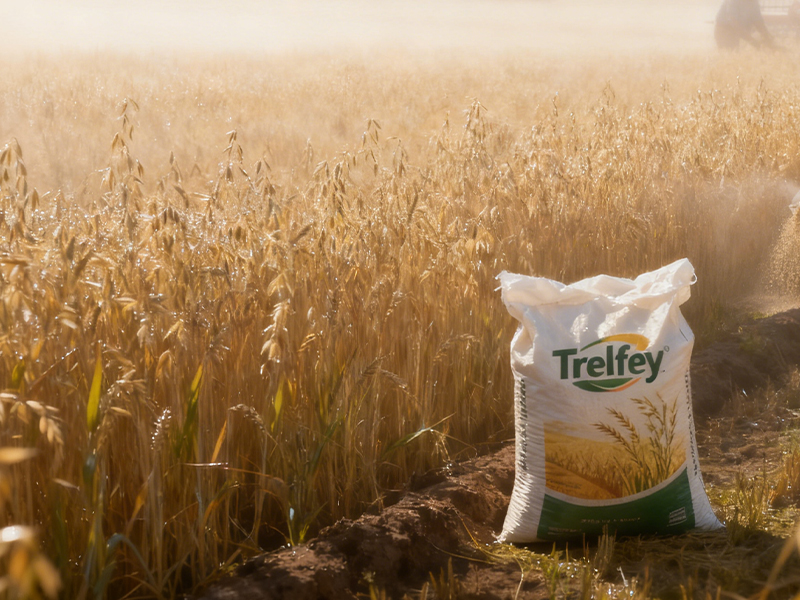
Baskets brim with plump, glossy lemons—all thanks to scientific planting and our high-quality fertilizer! 🌱 Consistent care paired with nutrient-rich feed fuels robust growth, turning careful cultivation into bountiful harvests. Every fruit here tells the story of how right fertilization boosts yield and elevates quality.
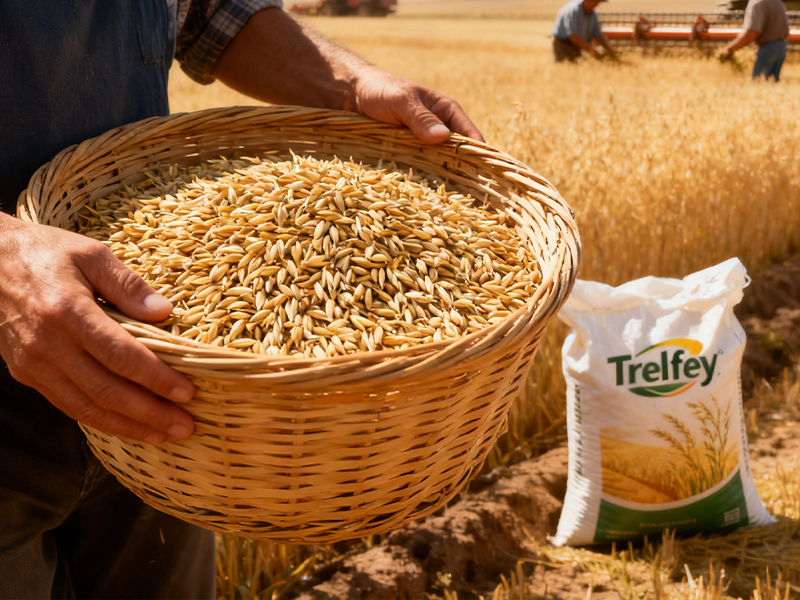
🌱 Consistent care paired with nutrient-rich feed fuels robust growth, turning careful cultivation into bountiful harvests. Every fruit here tells the story of how right fertilization boosts yield and elevates quality. 🍋✨ Plant smart, feed well, and reap the sweet rewards of thriving lemons!
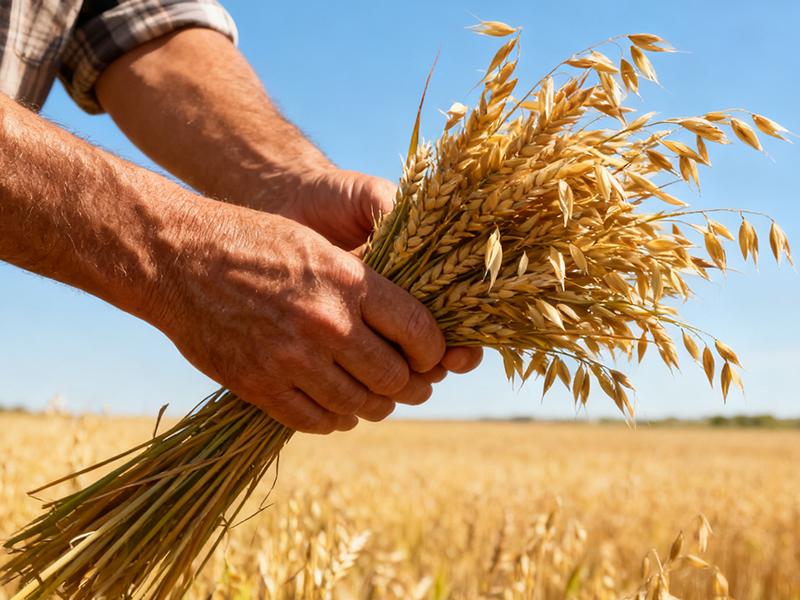
This lemon’s bright flesh and abundant juice speak volumes about its quality! 🍋 Behind its tangy, refreshing taste lies meticulous planting and our premium fertilizer. We prioritize balanced nutrition to nourish both tree and fruit, ensuring every bite is packed with natural goodness.
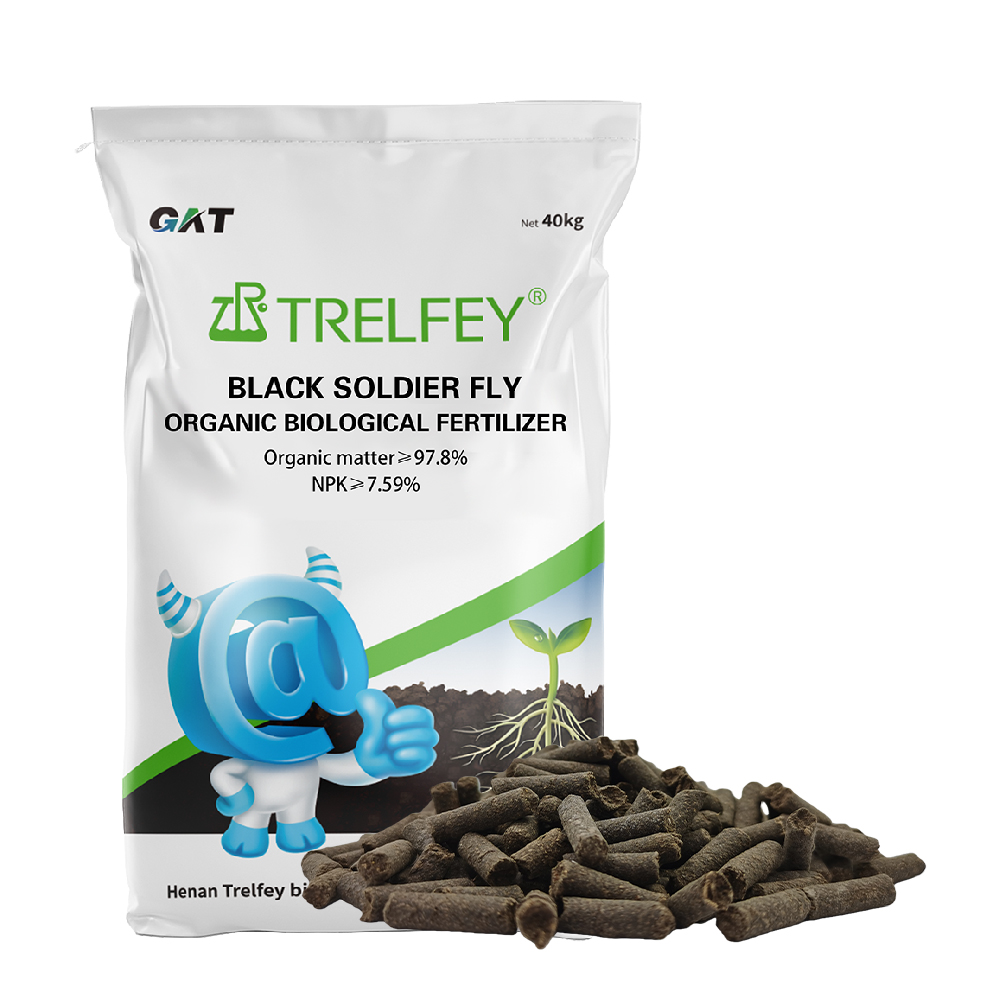
Black water fly organic fertilizer
Organic matter ≥97%, N+P2O5+K2O≥7.5%
outstanding soil improvement ability
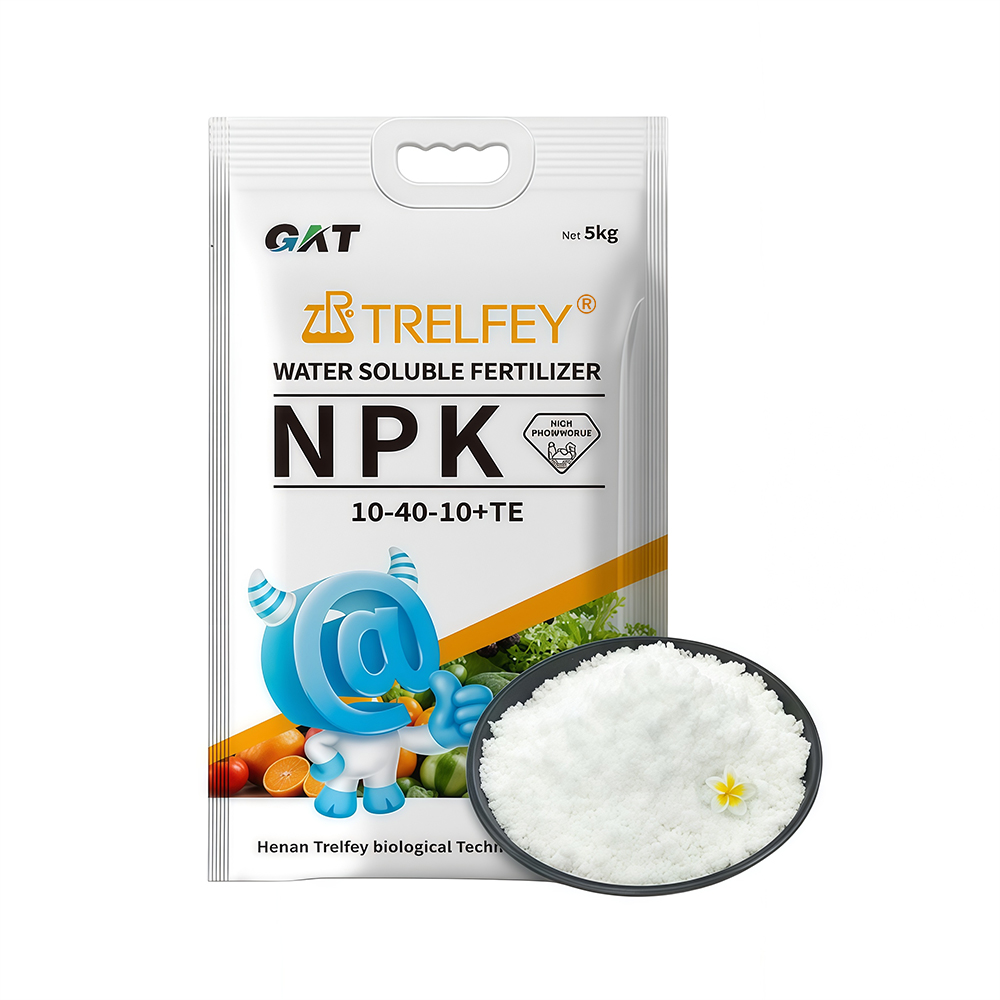
Water soluble fertilizer
Protect the roots and nourish the roots, protect the buds and protect the flowers
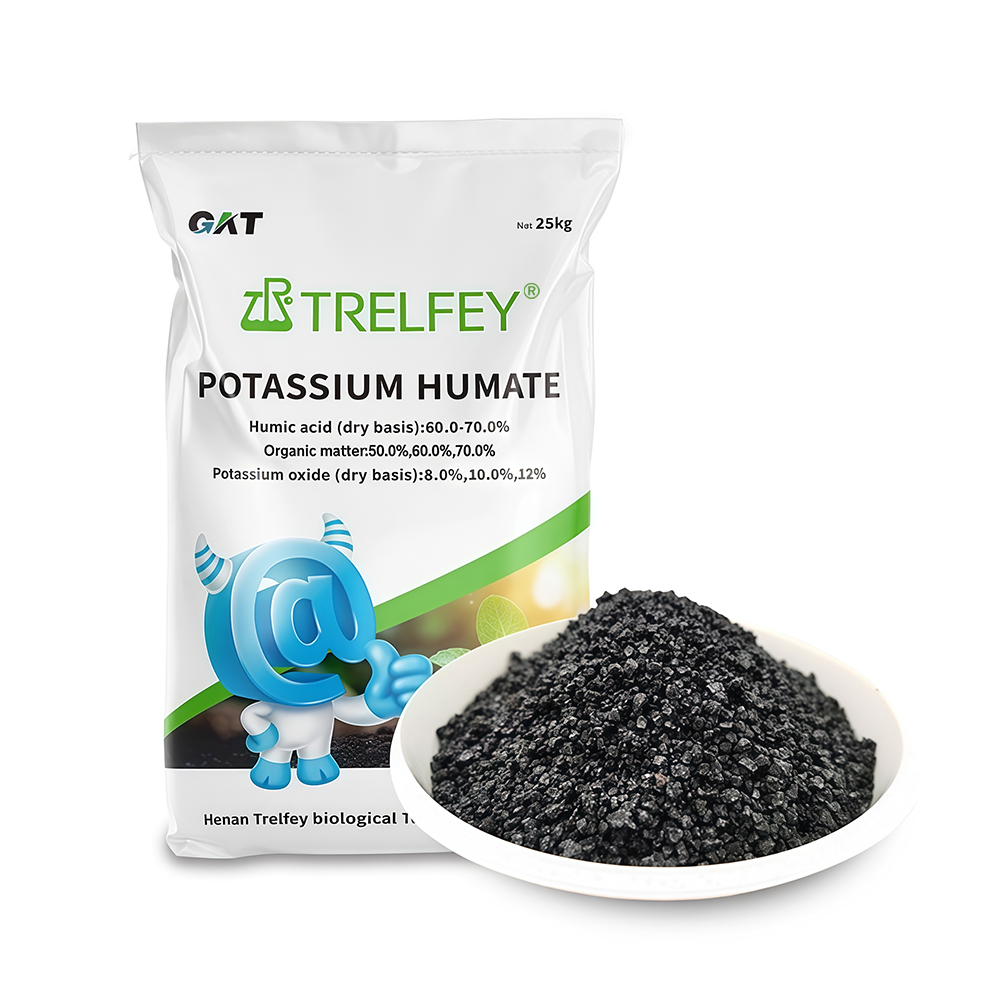
Potassium humate granules
Humic acid (dry base): 60.0-70.0%
Total nutrient (KOO): 8.0%-12.0% (customizable)