
Peach Growing: 5 Tricky Problems & Proven Solutions
The Ultimate Guide to Peach Farming: Solving 5 Critical Problems for Higher Yields
Successful peach cultivation requires more than just planting trees. It demands an understanding of the tree’s specific needs and the challenges that can arise at different growth stages. This guide distills expert knowledge and field-proven strategies to help growers, from small family farms to large commercial operations, navigate common pitfalls. We will address critical issues such as fruit quality, yield consistency, and soil health, providing actionable solutions backed by agricultural science.
For wholesalers and distributors, understanding these pain points is key to supplying the right inputs. This article offers a technical deep dive to help you better support your grower clients.
Problem 1: Split Pits and Misshapen Fruit
Split pits cause fruits to ripen unevenly and often rot prematurely. This problem is primarily linked to irregular water supply and imbalanced nutrition during the critical pit-hardening stage.
Research-Based Solution: Maintain consistent soil moisture, especially 4-6 weeks after bloom. Avoid heavy irrigation after a dry period. Nutritionally, ensure adequate calcium, which strengthens cell walls.
A balanced NPK formula like 10-5-45+TE applied during fruit development can stabilize growth. More critically, supplementing with Amino Acid & Calcium Magnesium Fish Protein Liquid Fertilizer enhances calcium uptake and translocation within the plant, directly addressing the cellular integrity of the pit and fruit.
Problem 2: Low Sugar Content (Brix) and Poor Flavor
Nothing disappoints more than a beautiful peach with bland flavor. Low Brix levels are a direct result of insufficient potassium (K) and boron (B) during the fruit bulking and ripening phases.
Proven Fix: Shift fertilization focus to potassium in the weeks before harvest. Potassium is vital for sugar transport and accumulation. Mono Potassium Phosphate (MKP) is an excellent source of highly soluble phosphorus and potassium, ideal for foliar or drip application to boost sugar levels quickly.
Combine this with a Potassium Humate Granule application earlier in the season. Humates improve soil structure and nutrient use efficiency, leading to sustained mineral nutrition that builds complex flavors.
Problem 3: Weak Tree Vigor and Slow Growth After Harvest
Peach trees deplete significant resources to produce a crop. A weak post-harvest recovery leads to poor bud set for the next year, creating a cycle of decline.
Strategic Approach: The 4-8 weeks after harvest are crucial for replenishment. Apply a nitrogen-rich fertilizer to support new growth and flower bud differentiation. Our high-efficiency 420-0-0 Liquid Nitrogen Fertilizer provides immediately available N without shocking the tree.
For a comprehensive recovery, pair this with a Microbial Bio-organic Fertilizer or a Rooting Microbial Inoculant. These products reintroduce beneficial microbes that improve root health and nutrient mining from the soil, ensuring the tree enters dormancy strong.
Problem 4: Soil Fatigue and Replant Disease
In established orchards or when replanting on old sites, trees often struggle with stunted growth. This “soil sickness” is caused by a buildup of pathogenic nematodes and fungi, alongside depleted beneficial microbe populations.
Long-Term Solution: Fumigation is common but harmful to soil biology. A regenerative alternative is using specific Anti-Nematode & Replant Disease Microbial Agents. These beneficial fungi and bacteria colonize root zones, outcompeting or directly suppressing soil-borne pathogens.
Before planting, amending soil with well-composted organic matter (about 2 tons per hectare) is essential. Using a quality compost starter culture ensures proper decomposition and maximizes the bioactivity of the finished compost.
Problem 5: Fruit Skin Cracking and Sunburn
Thin-skinned peach varieties are prone to cracking after rain or irrigation, and sunburn under intense heat. This renders fruit unmarketable.
Protective Strategy: Strengthen the fruit skin’s cellular structure. Regular applications of soluble calcium and silicon throughout fruit development improve skin toughness and elasticity. Our Amino Acid & Trace Elements Liquid Fertilizer is formulated for this, as amino acids chelate calcium and silicon for superior absorption.
Maintaining a healthy leaf canopy for natural shade is also vital. A consistent nutrition program with a balanced 21-21-21+TE Water Soluble Fertilizer throughout the season promotes a robust, protective canopy without excessive vegetative growth.
Building a Season-Long Nutrition Plan for Peak Performance
A proactive fertilizing program is better than reacting to problems. Here’s a simplified annual schedule per hectare for a mature, high-yield peach orchard:
Early Spring (Bud Break): Apply a balanced starter like NPK 30-10-10+TE to fuel initial growth and flowering.
Fruit Set & Pit Hardening: Switch to NPK 10-40-10+TE to support cell division and apply Amino Acid & Ca/Mg Fish Protein Liquid.
Fruit Bulking: Prioritize potassium with MKP and NPK 10-5-45+TE via fertigation.
Post-Harvest Recovery: Apply 420-0-0 Liquid N and a Bio-organic Fertilizer.
Dormant Season: Incorporate Potassium Humate Granules and compost to build soil health for the next cycle.
Conclusion: Knowledge is the Best Input
Mastering peach production involves anticipating challenges and supporting the tree’s natural cycles with precise interventions. By focusing on soil health, consistent nutrition, and targeted problem-solving, growers can significantly improve marketable yield and fruit quality.
For fertilizer wholesalers and distributors, partnering with a trusted fertilizer factory that offers this full spectrum of specialized products—from water-soluble NPK powders to advanced microbial agents—allows you to become a true solutions provider to your farming clients.
If you have any questions that need to be answered, you can always find us through the chat icon in the lower right corner of the page or directly enter Trelfey’s store to view the products. Of course, you can also check out our other social media (such as Linkedin) to learn more about us.
Authoritative reference materials
University of California Agriculture and Natural Resources (UC ANR)
Food and Agriculture Organization of the United Nations (FAO)
University of Georgia College of Agricultural & Environmental Sciences
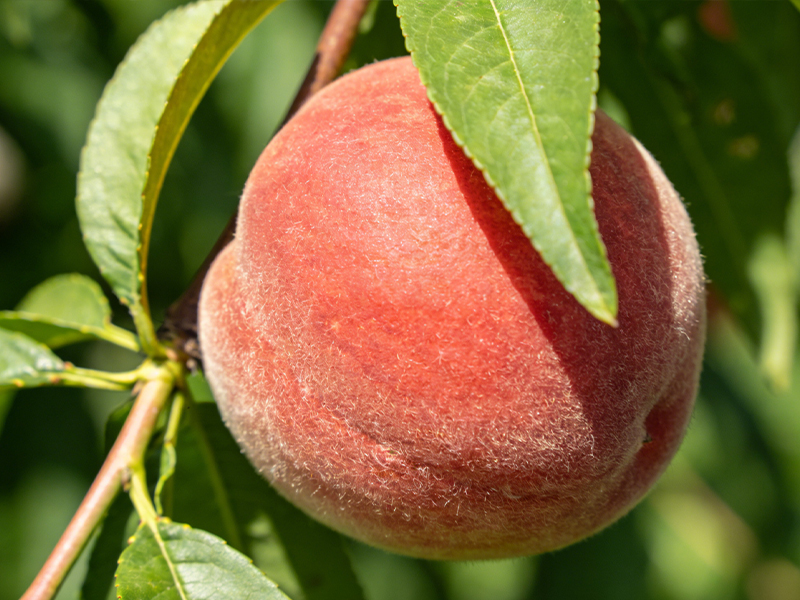
Lush leaves and abundant, uniform fruit set are the direct results of a balanced feeding program. For growers aiming to maximize yield per hectare and ensure every branch reaches its full potential, our specialized NPK Water-Soluble Fertilizers provide the essential macro and micronutrients needed during key growth stages. From bud development to fruit expansion, we help you cultivate not just peaches, but prosperity.
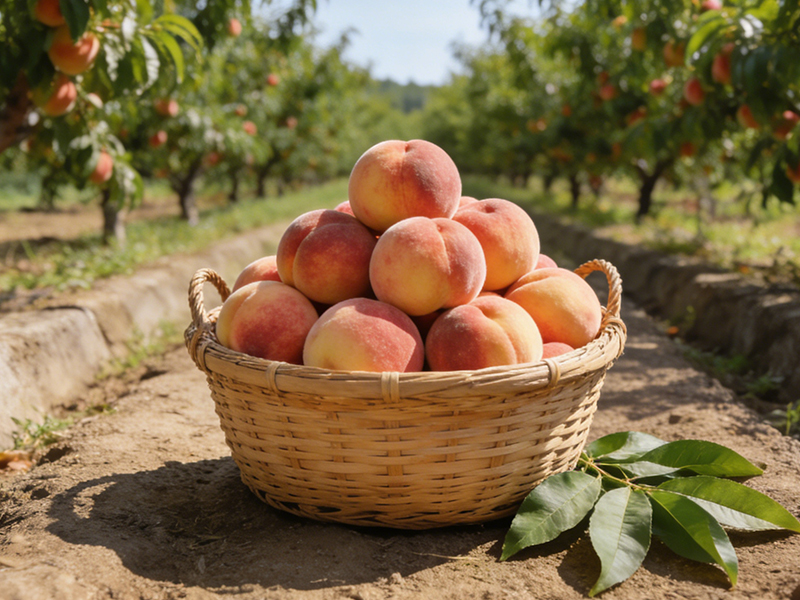
Capture the market with consistently superior quality. This basket of freshly harvested peaches showcases the ideal size, color, and finish that command attention and better prices. Achieving such uniform grade-A quality requires more than just basics. Our Amino Acid & Calcium Magnesium Fish Protein Liquid Fertilizer enhances fruit skin strength, coloration, and overall vitality, reducing blemishes and improving shelf life for distributors and retailers.
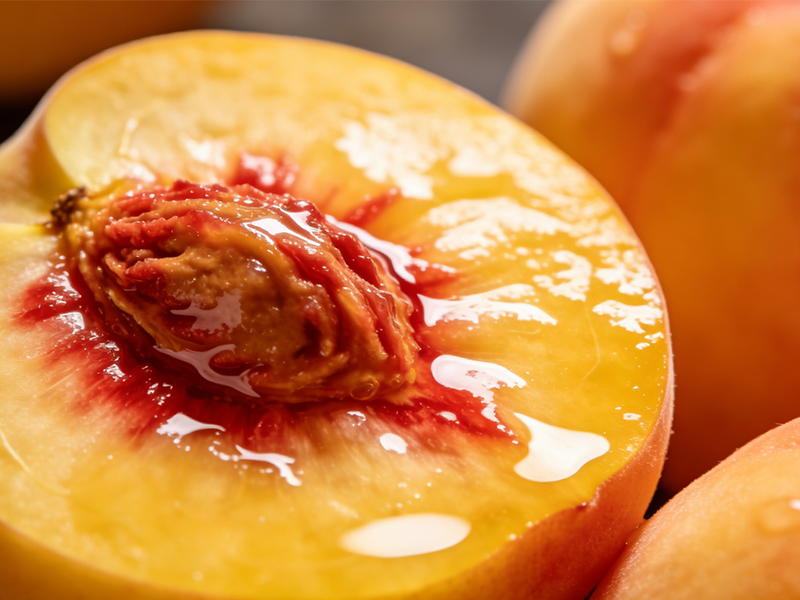
True quality is revealed on the inside. This perfect slice shows the ultimate goal: high Brix (sugar) content, rich color, and firm, juicy flesh that consumers love. This internal excellence is fueled by optimal potassium and micronutrient supply during the ripening phase. Our Monopotassium Phosphate (MKP) and Potassium Humate Granules work synergistically to boost sugar accumulation and enhance flavor profile, ensuring your peaches are as delicious as they are beautiful.
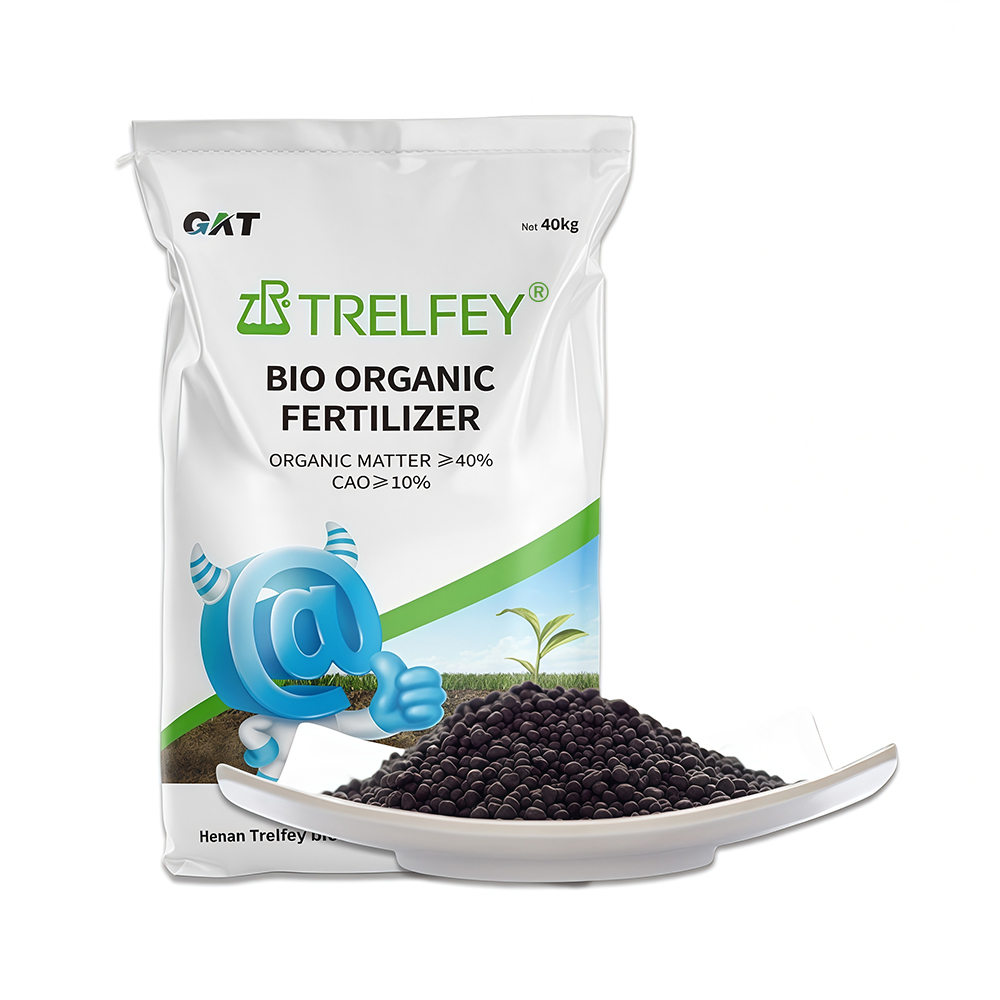
Bio-organic fertilizer
Organic matter ≥40%, CaO≥10%
The number of beneficial live bacteria ≥0.20 billion/g
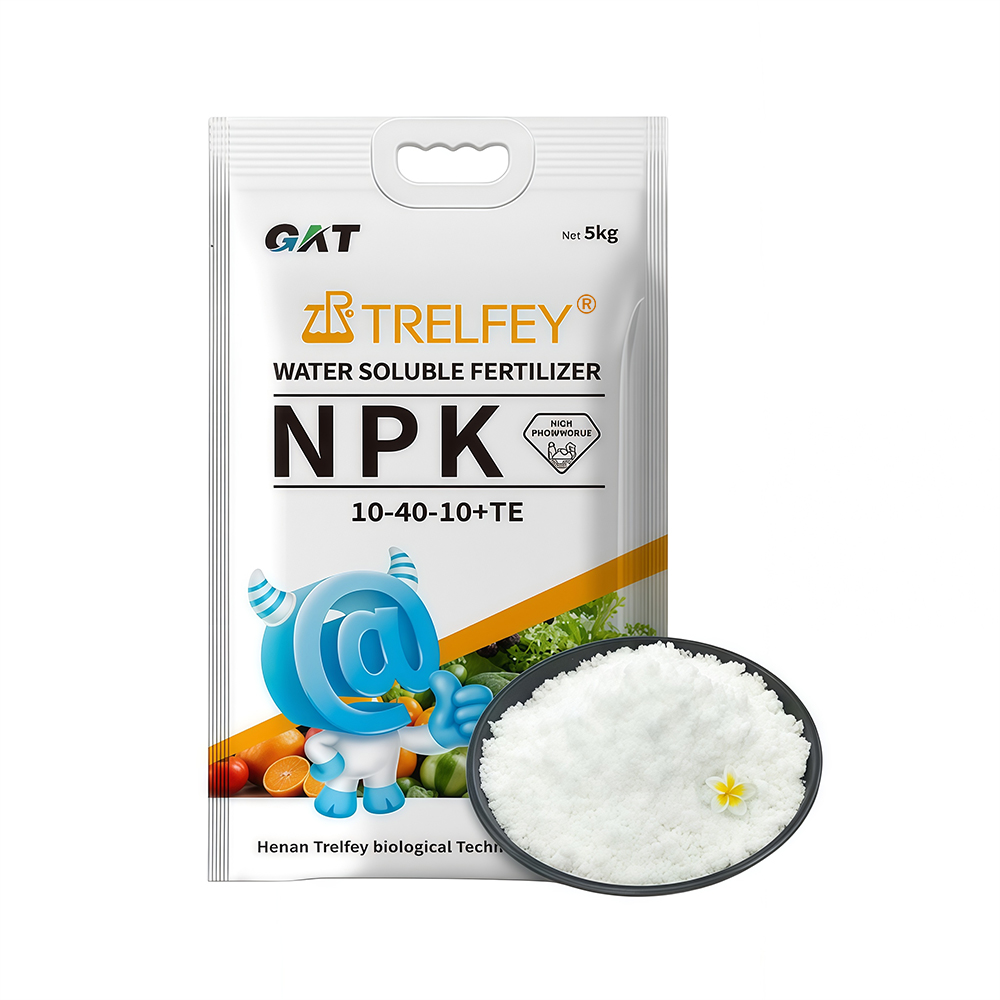
Water soluble fertilizer
Protect the roots and nourish the roots, protect the buds and protect the flowers
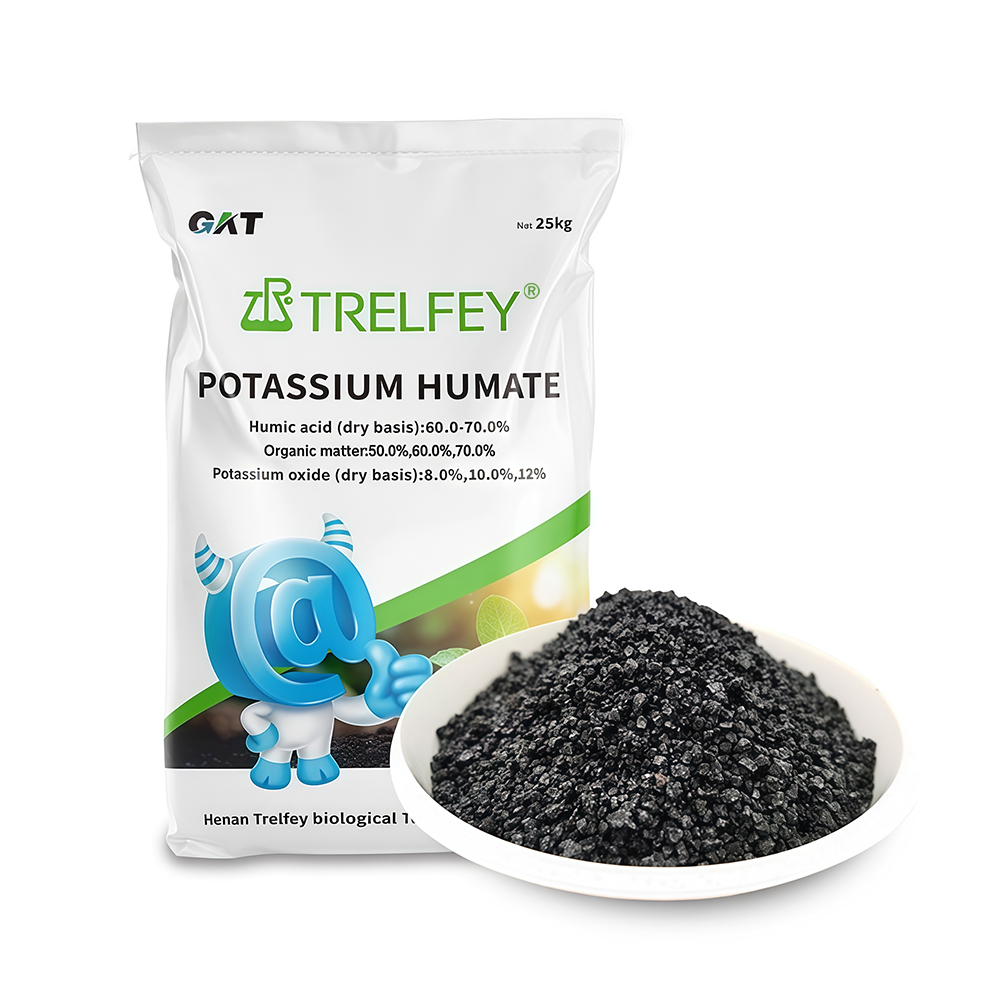
Potassium humate granules
Humic acid (dry base): 60.0-70.0%
Total nutrient (KOO): 8.0%-12.0% (customizable)