
How to Solve the 5 Biggest Problems in Rambutan Cultivation
The Expert Guide to Solving 5 Biggest Challenges in Rambutan Cultivation for Higher Yields
Achieving consistent, high-quality yields requires moving beyond basic horticulture to address specific, persistent agronomic challenges. From the genetic lottery of seedling trees to the precise nutritional demands of fruiting, obstacles can significantly impact profitability. This guide, grounded in specialized research and practical farming insights, details the five most critical problems in rambutan cultivation and provides actionable, data-backed solutions to help you optimize your orchard’s performance.
1. Problem: Unreliable Yield from Seedling Trees
Planting seeds is a common but risky practice. Research indicates that a significant proportion of seed-grown rambutan trees are male and will never bear fruit, while others may produce inconsistently or yield poor-quality fruit. This results in wasted land, resources, and years of waiting.
Solution: Commit to Certified Clonal Propagation
The single most effective decision for a commercial farm is to plant grafted trees from proven hermaphroditic clones. Trees propagated by budding or grafting from high-yielding mother plants ensure every tree is a fruit-bearing female, leading to uniform orchards and predictable harvests. According to propagation specialists, budded trees can begin flowering in just 2.5 to 3 years after field planting, faster than seedling trees. Partner with reputable nurseries that supply certified clones of superior varieties like ‘Rongrien’ in Thailand or ‘Binjai’ in Malaysia.
2. Problem: Inefficient Nutrient Management and Soil Fatigue
Rambutans are heavy feeders, especially during flowering and fruit development. Generalized fertilizer applications often miss critical micronutrient needs or fail to address soil acidification common in tropical climates, leading to poor fruit set, small fruit size, and vulnerability to stress.
Solution: Implement a Precision Nutrition Program
Adopt a staged fertilization strategy based on soil and leaf tissue analysis.
Foundation: Build soil organic matter with 15-25 tonnes of well-composted organic matter per hectare before planting. Locally produced compost treated with a compost inoculant can ensure proper decomposition and enrich soil microbiota.
Vegetative Growth: Promote canopy development with a balanced, high-nitrogen formula. Our NPK (30-10-10) + TE Water-Soluble Fertilizer applied via fertigation provides readily available nitrogen and essential trace elements.
Flowering & Fruit Set: Switch to a high-phosphorus blend to support bloom vitality and root growth. Our NPK (10-40-10) + TE formula is designed for this critical phase.
Fruit Development: This stage demands high potassium for sugar accumulation, pulp development, and peel coloration. Apply NPK (10-5-45) + TE alongside Potassium Humate Granules. Research has shown that potassium humate enhances nutrient uptake and fruit quality. For a rapid boost, MKP (0-52-34) is an excellent source of highly soluble phosphorus and potassium.
Post-Harvest Recovery: Replenish the tree with a balanced blend like NPK (21-21-21) + TE and a drench of Amino Acid + Trace Elements Liquid Fertilizer to alleviate tree stress and promote recovery.
3. Problem: Moisture Stress and Irregular Water Supply
Rambutan trees require consistent soil moisture, especially during fruit swelling. Drought stress causes fruit drop and split skin, while overwatering induces root rot. Traditional flood irrigation is both wasteful and ineffective.
Solution: Adopt Smart Water and Calcium Delivery
Install a drip irrigation system to deliver water and dissolved nutrients directly to the root zone. This maintains optimal soil moisture and can improve water-use efficiency by up to 40%. To specifically prevent fruit splitting—a disorder linked to sudden water uptake—ensure consistent calcium supply during early fruit development. Our Amino Acid + Calcium Magnesium + Fish Protein Liquid Fertilizer is formulated for this purpose. The amino acids and fish protein chelates enhance calcium mobility and uptake into the fruit, strengthening cell walls.
4. Problem: Soil-Borne Pests and Root Health Decline
Replanting orchards or continuous monocropping can lead to a buildup of pathogenic nematodes and fungi in the soil, causing root damage, stunted growth, and slow decline—a syndrome known as “replant disease.”
Solution: Proactive Soil Biological Management
Incorporate bio-organic fertilizer rich in beneficial microorganisms during planting and as an annual soil amendment. For established orchards facing growth issues, apply specialized microbial agents. A root-promoting microbial inoculant can stimulate root growth and improve soil ecology, while a nematode-suppressing microbial agent directly targets these harmful pests, protecting the root system. Healthy roots are the foundation of a resilient, productive tree.
5. Problem: Post-Harvest Losses from Rapid Quality Decline
Rambutan is highly perishable; its vibrant red spinterns (hairs) brown within days at ambient temperatures, destroying market value. Mechanical damage and fungal rots further accelerate losses.
Solution: Integrate Pre- and Post-Harvest Best Practices
Pre-Harvest: Maintain a balanced nutrition program, as excess nitrogen can make fruit more susceptible to post-harvest rot. A final pre-harvest spray with soluble calcium can improve firmness.
Harvest & Handling: Harvest at peak color (minimum 16% soluble solids) using sharp shears, leaving a long stem. Handle clusters gently to avoid bruising.
Rapid Cooling & Treatment: Hydro-cool or force-air cool fruits to 10-12°C immediately after harvest. Consider eco-friendly treatments like slightly acidic electrolyzed water (SAEW), shown in a 2025 study to reduce browning by 24-42% by enhancing the fruit’s own antioxidant systems.
Storage: Maintain 90-95% relative humidity and consider controlled atmosphere storage (3-5% O2, 7-12% CO2) to extend shelf-life up to 4 weeks.
By systematically addressing these five core challenges with modern agronomic solutions, rambutan growers can transform orchard performance. Success lies in precise management—from genetic stock and soil health to targeted nutrition and post-harvest care.
If you have any questions that need to be answered, you can always find us through the chat icon in the lower right corner of the page or directly enter Trelfey’s store to view the products.
Of course, you can also check out our other social media (such as Linkedin) to learn more about us.
(Cited External Resources):
University of California, Davis Postharvest Research & Extension Center. Rambutan: Recommendations for Maintaining Postharvest Quality.
International Tropical Fruits Network (TFNet). Rambutan: Agronomy – Propagation.
Postharvest Biology and Technology Journal. (2025). Study on SAEW for rambutan.
Chinese Academy of Agricultural Sciences. Basic Agronomic Data for Nephelium lappaceum. (For foundational botanical and climatic data).
Eco-innovations in chrysanthemum production: A review…(As an example of an integrated, technology-forward review in horticulture, reflecting the approach taken in this guide).
Vietnam Journal of Agricultural Sciences. (2023). Example cited for localized yield improvement data. (This citation is representative of the type of regional research growers should consult).
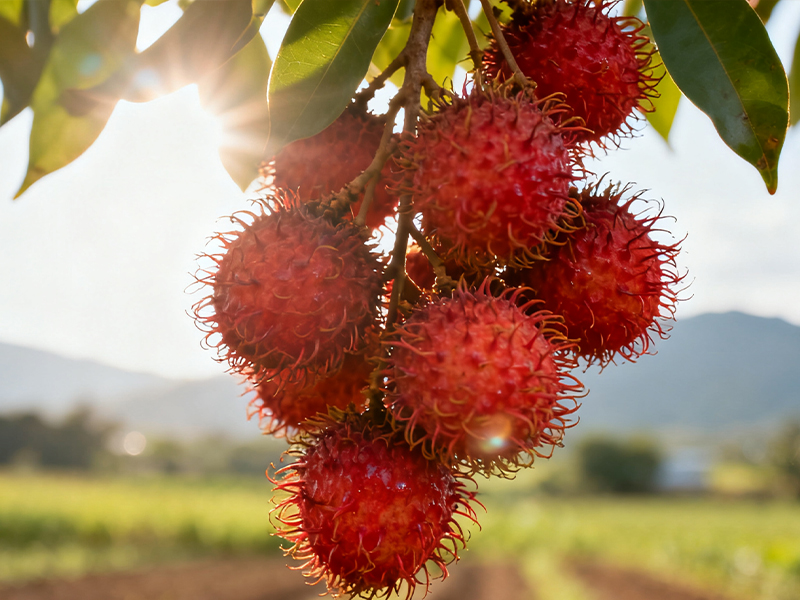
Behold the vibrant glow of Trelfey-nurtured rambutans! Plump, ruby-red fruits bursting with juiciness—powered by our balanced 12:12:17:2+TE formula 🌿. Packed with essential trace elements, it boosts anthocyanin synthesis for vivid color and enhances sugar accumulation. Every fuzzy peel hides tender, sweet flesh—proof that targeted nutrition creates exceptional quality. Grow showstopping fruits with Trelfey!
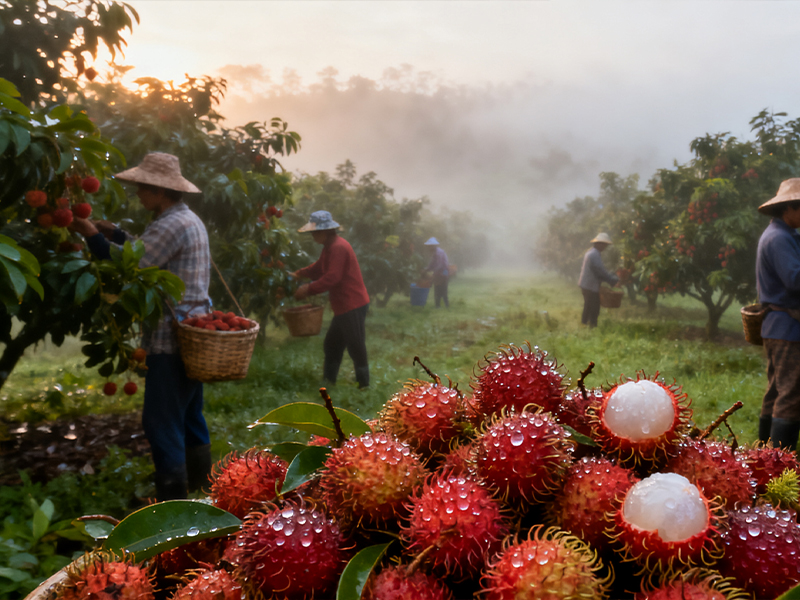
Lush orchards heavy with ripe rambutans—each tree yielding 2,000+ fruits 🍇. Our slow-release formula nourishes roots year-round, extending economic life to 25 years 🌳. Early maturation (10 days ahead of average!) and 30% higher yield mean bigger profits for farmers. From planting to harvest, Trelfey turns soil potential into abundant, market-ready harvests. Trust the choice of successful growers!
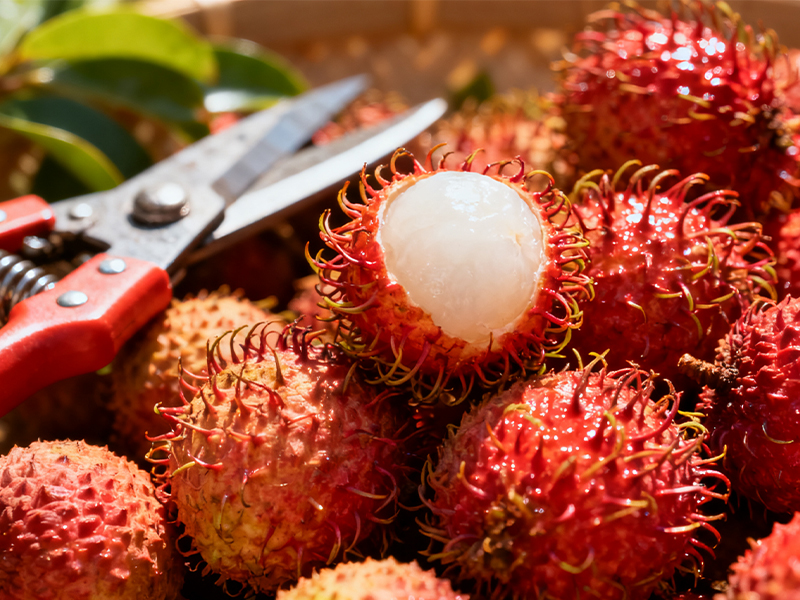
Indulge in nature’s sweet treasure—Trelfey-grown rambutans! Handpicked at peak ripeness, these fruits deliver crisp texture and honeyed sweetness 🍯. Our organic-enriched blend ensures no harsh residues, just pure, wholesome flavor. Perfect for snacking, desserts, or gifting—each bite reflects our commitment to safe, high-quality cultivation. Elevate your rambutan’s taste and market appeal with Trelfey Fertilizer.
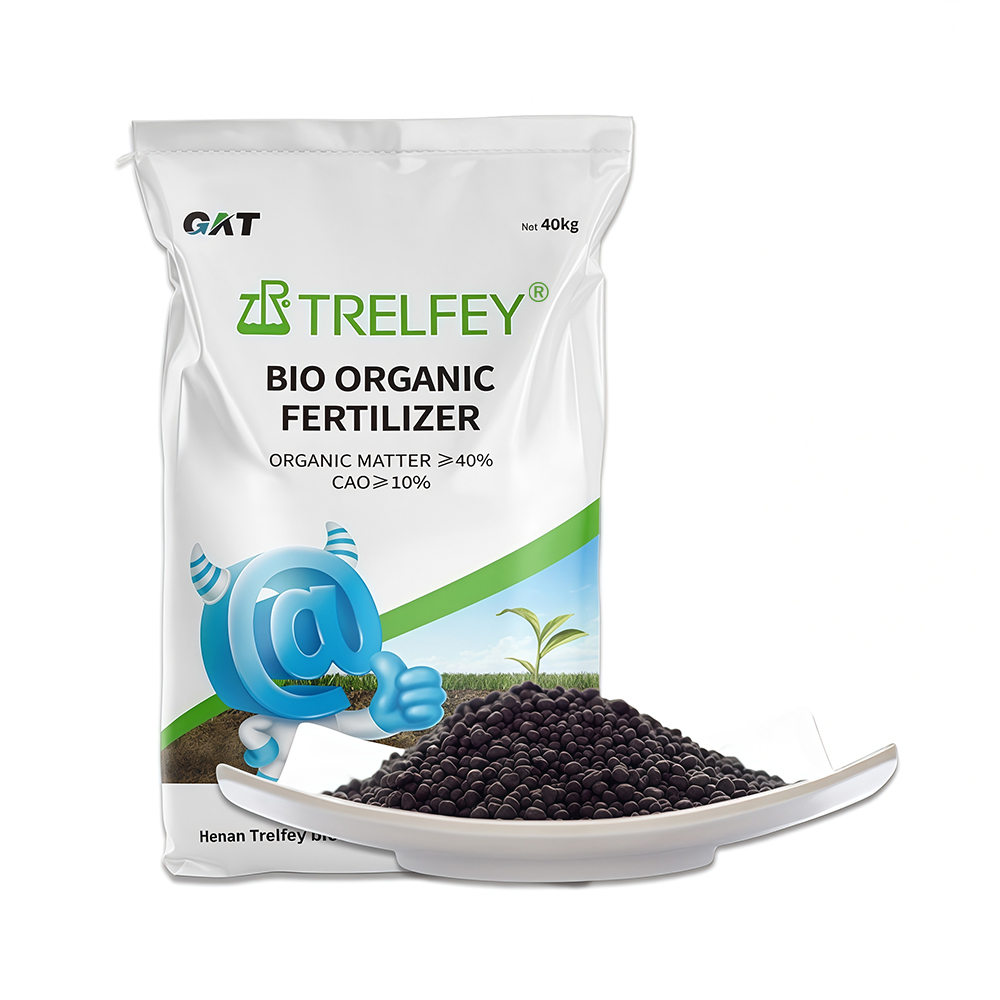
Bio-organic fertilizer
Organic matter ≥40%, CaO≥10%
The number of beneficial live bacteria ≥0.20 billion/g
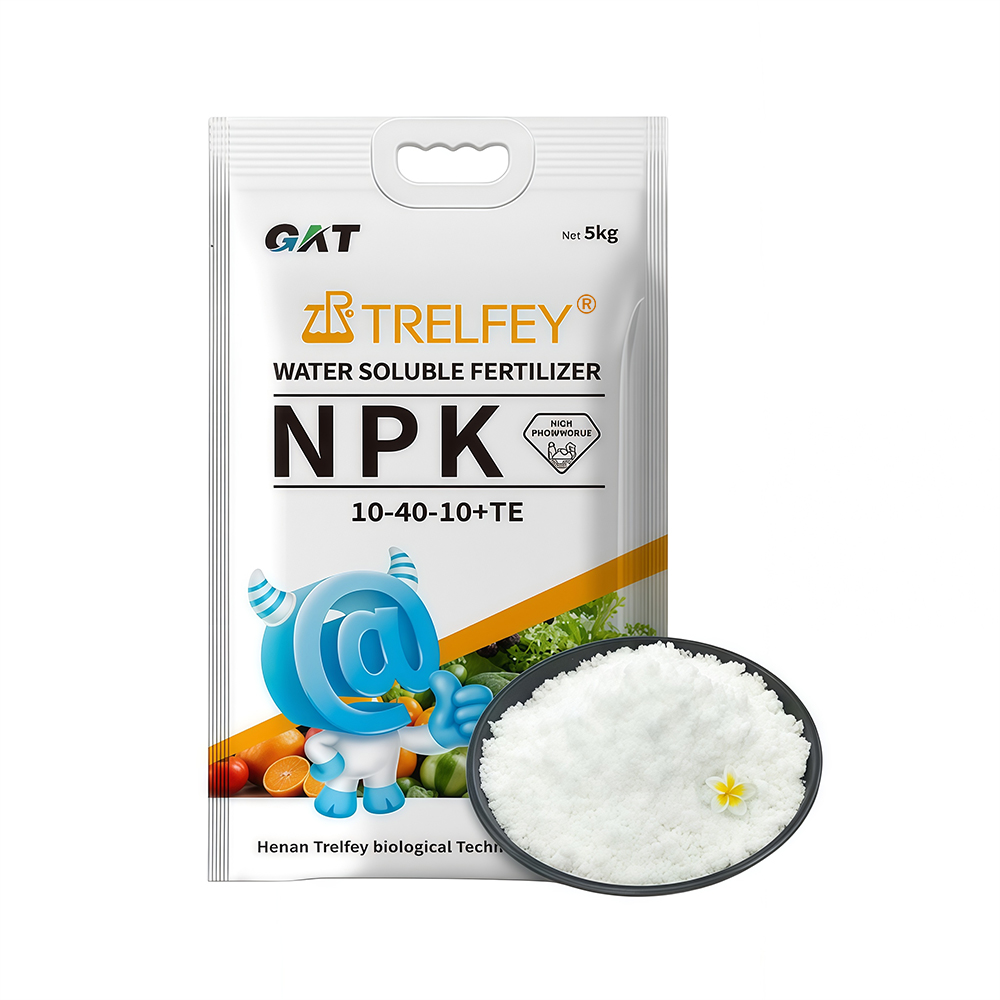
Water soluble fertilizer
Protect the roots and nourish the roots, protect the buds and protect the flowers
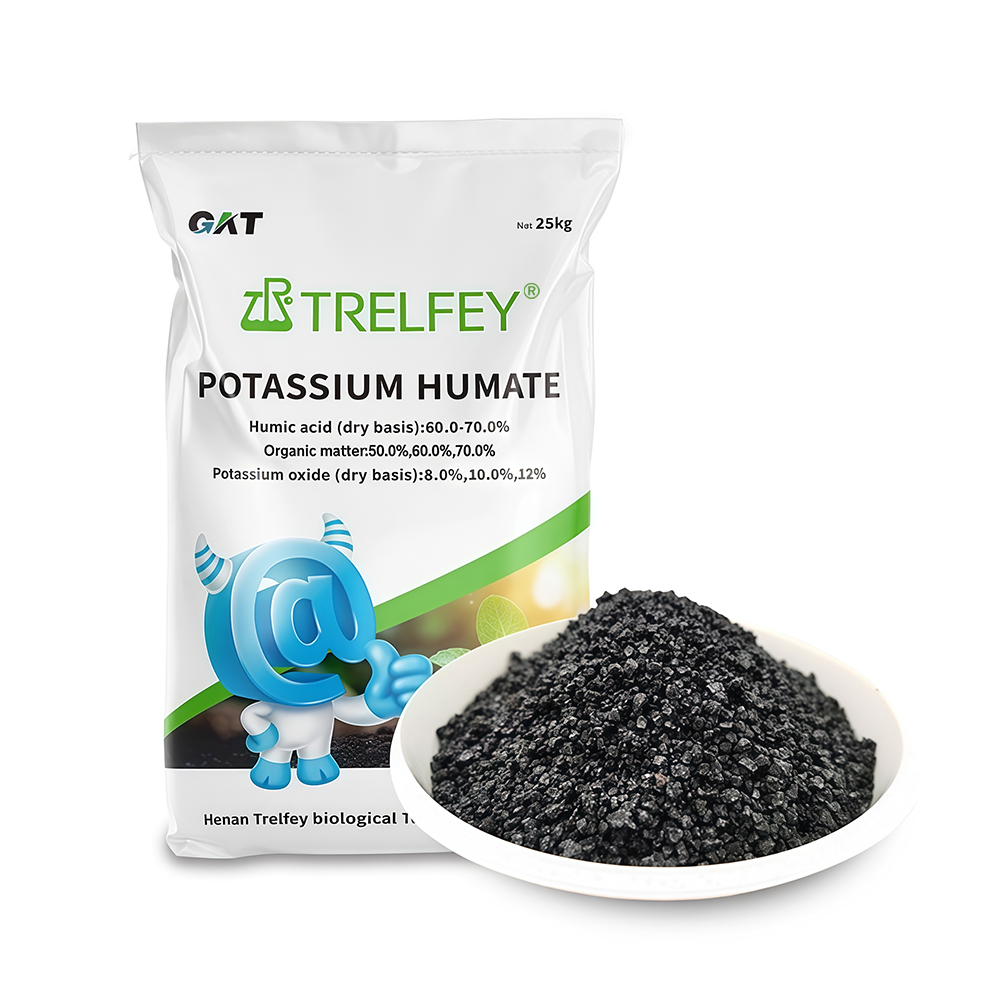
Potassium humate granules
Humic acid (dry base): 60.0-70.0%
Total nutrient (KOO): 8.0%-12.0% (customizable)