
Peanut Planting Harvest Guide
Boost Yield with Smart Fertilization & Management
Introduction
This guide combines scientific insights from global agricultural research with practical solutions to help farmers maximize productivity. We’ll explore key growth stages, common pitfalls, and data-driven strategies, including the strategic use of specialized fertilizers like our amino acid and trace elements liquid fertilizer to address nutrient deficiencies efficiently.
1. Optimal Harvest Timing: Harvest when the inside of the shell is white, and the plant’s upper leaves yellow, with dark streaks on the stems .
2. Drying and Storage: Dry pods gradually to 10% moisture content and store in sealed containers with dry ash to prevent mold .
3. Fertilization: Use potassium-rich fertilizers like Potassium Humate to improve yield and soil health .
Key Growth Stages of Peanuts: Optimal Care Guide
1. Germination & Early Growth
- Soil needs: Minimum 18°C temperature + consistent moisture
- Recommended: Bio-organic fertilizer with:
- Beneficial microbes (disease protection)
- Enhanced root development
2. Vegetative Growth Stage
- Focus: Leaf and stem development
- Solution: Balanced NPK 21-21-21+TE fertilizer
- Equal N-P-K ratio
- Essential trace elements
- Promotes healthy canopy growth
3. Flowering & Peg Formation (Critical Phase)
- Unique process: Flowers → pegs → underground pods
- Key nutrient: Calcium (prevents empty pods)
- Our special blend provides:
- Highly absorbable calcium
- Stress-resistant amino acids
- Magnesium boost
4. Pod Filling & Maturation
- Primary need: Potassium
- Recommended products:
- MKP (0-52-34) for energy transfer
- Seaweed extract for:
- Natural growth hormones
- Additional potassium
- Stress protection
Pro Tip: Maintain soil pH 5.8-6.2 for optimal calcium availability throughout all growth stages.
Major Peanut Growing Challenges and Scientifically Backed Solutions
Peanut farmers often face recurring issues that can drastically reduce yields. Here’s how to address the most common pain points with modern agronomic solutions.
1. Soil Health Degradation and Nutrient Deficiencies
Continuous cropping, especially in regions of West Africa, depletes organic matter and essential nutrients, leading to compacted, infertile soils.
Solution: Integrate organic matter and soil conditioners.
Apply Organic Amendments: Incorporating 2 tons per hectare of well-decomposed organic matter is fundamental. Our slow-release organic fertilizer (>45% organic matter) or using our compost accelerators to make your own organic compost on-farm can drastically improve soil structure, water retention, and microbial life. This reduces the physical and financial burden of transporting bulky materials.
Use Humic Substances: Lignite humic acid powder is a powerful soil amendment. Research shows humic acids can significantly improve soil cation exchange capacity (CEC), leading to better nutrient retention and reduced leaching . They also chelate micronutrients, making them more available to the plant.
Balanced Fertilization: Correct base deficiencies with a tailored NPK program. Soil testing is non-negotiable. Based on results, a starter fertilizer like NPK 10-40-10+TE can boost root development, while a potassium-focused blend like NPK 10-5-45+TE applied during pod fill directly supports yield and quality.
2. Pest and Disease Pressure (e.g., Root-Knot Nematodes, Leaf Spot)
Pests and diseases can cause catastrophic losses. Over-reliance on chemicals is costly and ecologically damaging.
Solution: Implement integrated pest management (IPM) with biological controls.
Nematode Suppression: Root-knot nematodes are a severe constraint. Our anti-root knot nematode microbial agent contains specific bacteria and fungi (e.g., Bacillus firmus, Purpureocillium lilacinum) that parasitize nematode eggs and juveniles, reducing their population in the soil.
Disease Management: Fungal diseases like early and late leaf spot can defoliate plants. Combining good crop rotation with fortified nutrition improves innate plant immunity. Foliar applications of our amino acid liquid fertilizer help strengthen cell walls and act as antioxidants, making plants less susceptible to infection.
Plant Health Strengthening: A healthy plant is more resistant. Regular applications of seaweed extract provide betaines and polyamines that enhance the plant’s systemic acquired resistance (SAR), helping it fend off biotic stresses .
3. Abiotic Stress (Drought, Heat, Soil Toxicity)
Climate change is increasing the frequency of drought and heat waves, particularly in arid regions of West Africa.
Solution: Enhance plant stress tolerance and water use efficiency.
Drought Mitigation: Humic acid liquid fertilizer enhances the root system’s ability to uptake water and nutrients from the soil, effectively giving the plant a larger “foraging area” during dry spells.
Heat Stress Management: Amino acid-based fertilizers play a direct role. Amino acids like proline act as osmolytes, helping plants maintain cell turgor under heat and water stress. They also reduce the energy cost of protein synthesis, allowing the plant to divert resources to cooling and survival.
Nutritional Balance: Ensuring adequate potassium is available is paramount for stomatal regulation and water efficiency. Potassium humate serves a dual purpose: it improves soil structure and provides a readily available potassium source.
Advanced Fertilization Strategies for Peak Peanut Performance
Moving beyond basics, a stage-specific “spoon-feeding” approach with soluble fertilizers maximizes nutrient use efficiency and return on investment.
Pre-Planting / Basal Application: Focus on soil preparation. Apply 2 tons/ha of compost (made with your own farm waste using our decomposer agents) along with a base dose of NPK. Incorporate humic acid powder to “charge” the soil and unlock native nutrients.
Vegetative Stage (20-30 Days After Emergence): Promote canopy development. Use a high-nitrogen fertilizer like NPK 30-10-10+TE or our highly efficient Liquid Nitrogen Fertilizer 420-0-0 for a quick green-up. This builds the photosynthetic factory that will drive future yield.
Flowering and Pegging (40-50 DAE): The Calcium Critical Period. Switch to a high-calcium formulation. Our Amino Acid, Calcium, Magnesium, and Fish Protein Liquid Fertilizer is ideal for foliar or soil application. The amino acids ensure efficient calcium uptake—a nutrient notoriously immobile in the plant—directly to the developing pegs and pods, preventing empty pods.
Pod Development (60-80 DAE): The Potassium Push. Support pod filling and weight. Apply a high-potassium fertilizer like NPK 10-5-45+TE or use MKP combined with Potassium Humate. This combination provides soluble P and K and improves the soil environment for pod development.
Throughout the Cycle: Biostimulant Support. Use seaweed extract every 2-3 weeks as a foliar spray. Its natural hormones (cytokinins, auxins) promote balanced growth and improve resilience to various stresses.
Table: Summary of Key Fertilization Timings for Peanuts
| Growth Stage | Approximate Timing (Days After Emergence) | Primary Nutrient Focus | Recommended Product(s) | Application Method |
|---|---|---|---|---|
| Pre-Planting | -10 to 0 | Organic Matter, P, K | Slow-Release Organic Fertilizer, Humic Acid Powder | Soil Incorporation |
| Vegetative | 20-30 | Nitrogen (N) | NPK 30-10-10+TE, Liquid N 420-0-0 | Soil Drench/Fertigation |
| Flowering/Pegging | 40-50 | Calcium (Ca) | Amino Acid, Ca, Mg, https://product/liquid-nitrogen-fertilizer/Fish Protein Liquid | Foliar Spray/Drip |
| Pod Fill | 60-80 | Potassium (K) | NPK 10-5-45+TE, MKP | Fertigation |
| Throughout Cycle | Every 2-3 weeks | Biostimulation | Seaweed Extract | Foliar Spray |
Harvest and Post-Harvest: Protecting Your Yield
Proper timing and handling are crucial to preserve yield and quality, especially to prevent aflatoxin contamination.
Harvest Timing: Harvesting at the right time is critical. Look for signs like yellowing upper leaves and dark streaks on the stems. The inside of the shell should be white, not tan or brown, indicating full maturity. Harvesting too early or too late can impact yield and seed viability.
Drying and Curing: Post-harvest, dry pods gradually to around 10% moisture content. Avoid heaping wet pods, which causes heating and invites mold growth (a precursor to aflatoxins). The traditional method of windrowing (field drying) is common, but ensure weather conditions are dry .
Storage: Store dried pods in a cool, dry place. Using airtight containers or sacks is recommended. Research has shown that storing seeds mixed with dry ash in sealed containers can help control moisture and pests effectively.
Conclusion: A Holistic Approach to Profitable Peanut Farming
Successful peanut farming hinges on a integrated strategy that combines:
1.) Vigilant crop monitoring and timing of operations.
2.) Building healthy, resilient soil through organic amendments and humic substances.
3.) Implementing precise, stage-specific nutrition with high-quality water-soluble and liquid fertilizers.
4.) Proactively managing biotic stresses with biological agents.
5.) Meticulous harvest and post-harvest care.
By adopting these science-backed practices and leveraging specialized inputs available from our online store, such as our anti-root knot nematode microbial agent and pod-enhancing amino acid and calcium liquid fertilizers, farmers in West Africa, Southeast Asia, and other major peanut-growing regions can significantly boost their productivity, profitability, and sustainability.
If you are interested in this article, or have any questions that need to be answered,
You can find us at any time through the chat icon in the lower right corner of the webpage. Of course, you can also check out our other social media (such as Linkedin) to learn more about us.
Some reference data references come from:Research Societies & Scientific Journals
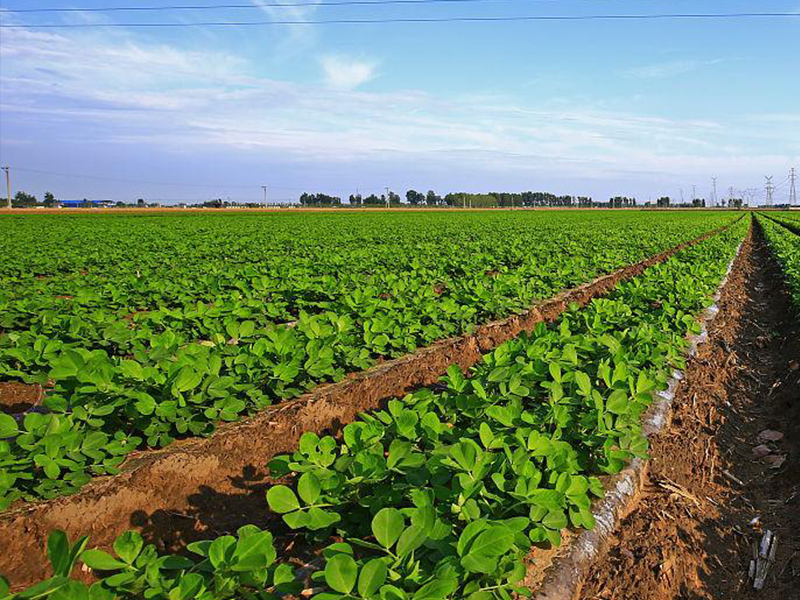
Before & after using our fertilizer! 🌱 Peanut plants grow 35% denser with stronger roots. See how proper nutrition transforms yields!
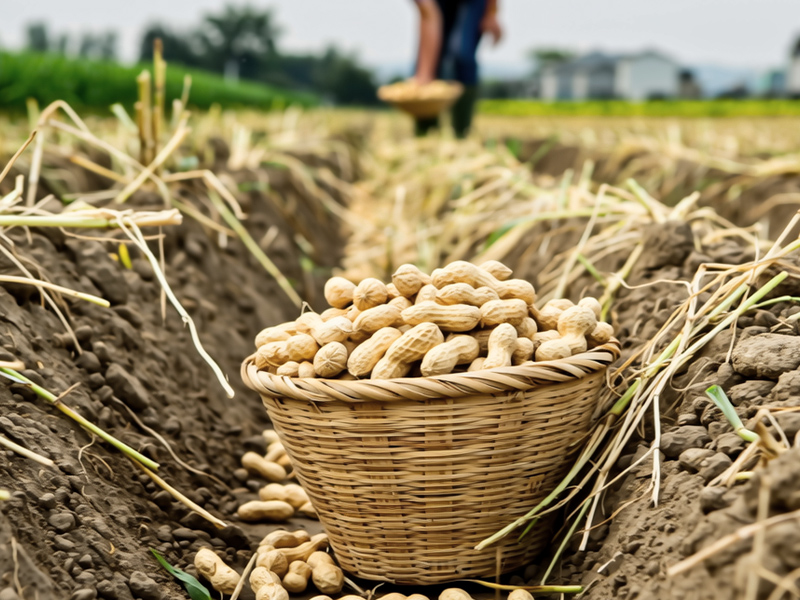
A sea of healthy peanuts! 🌿 Our organic fertilizer ensures uniform growth & deep green color. Higher pod counts per plant guaranteed!
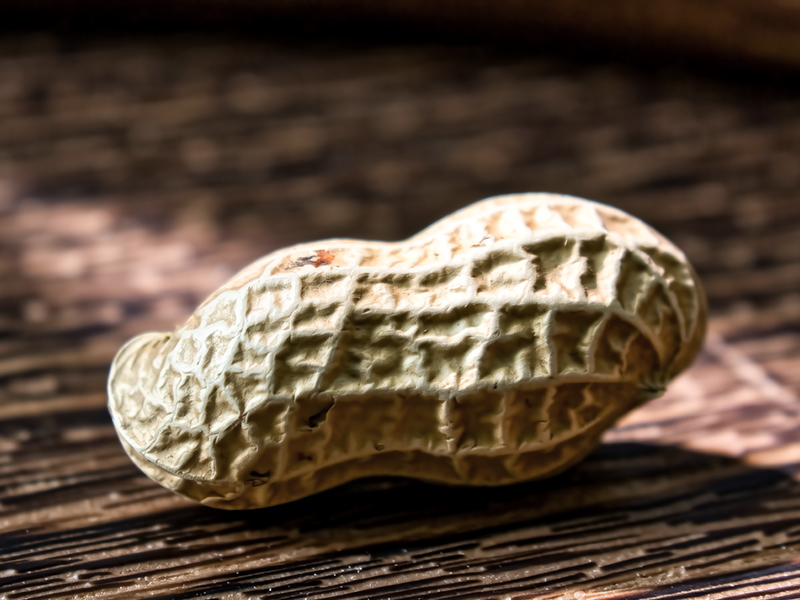
Plump, nutrient-rich peanuts! 🥜 Grown with our specialized NPK formula – bigger kernels, better taste. The proof is in the pod!
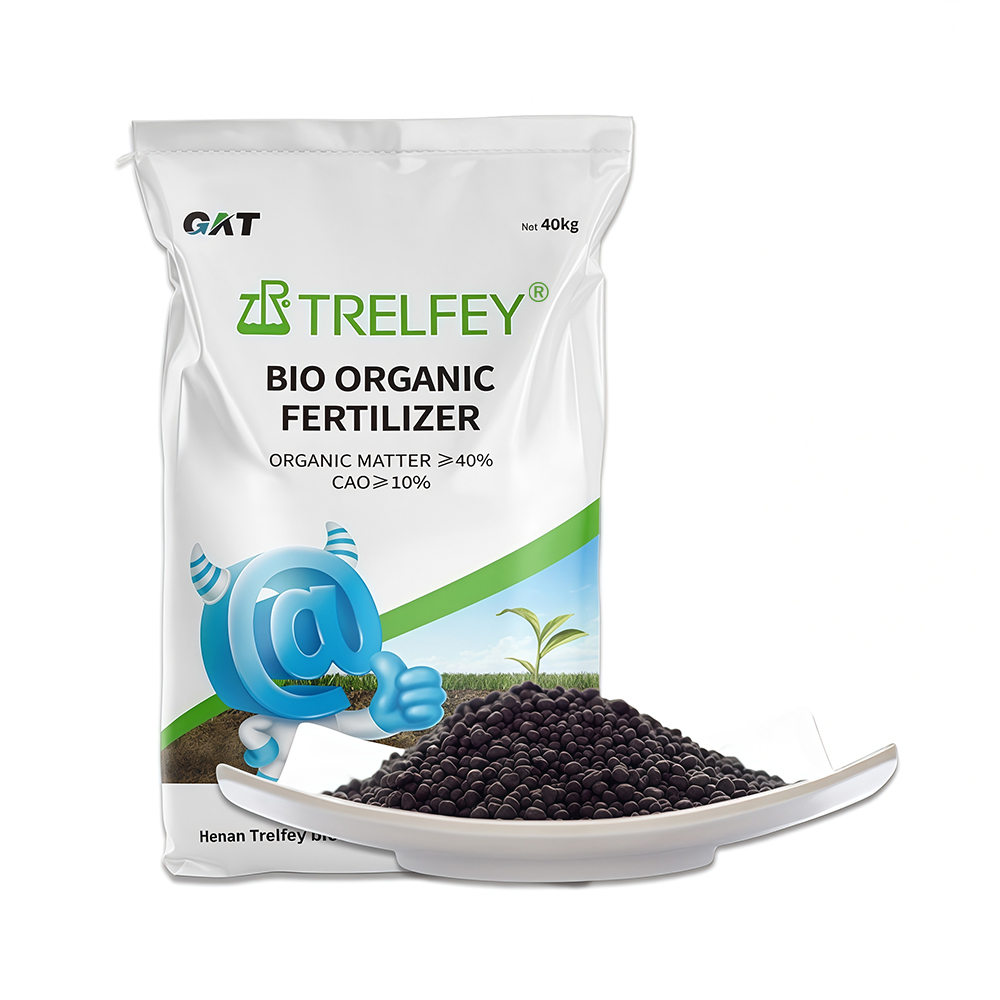
Bio-organic fertilizer
1. lmprove fertilizer utilization efficiency, Living soil and nourishing the land
2. lmprove crop rhizosphere environment, Solubilize phosphorus and potassium
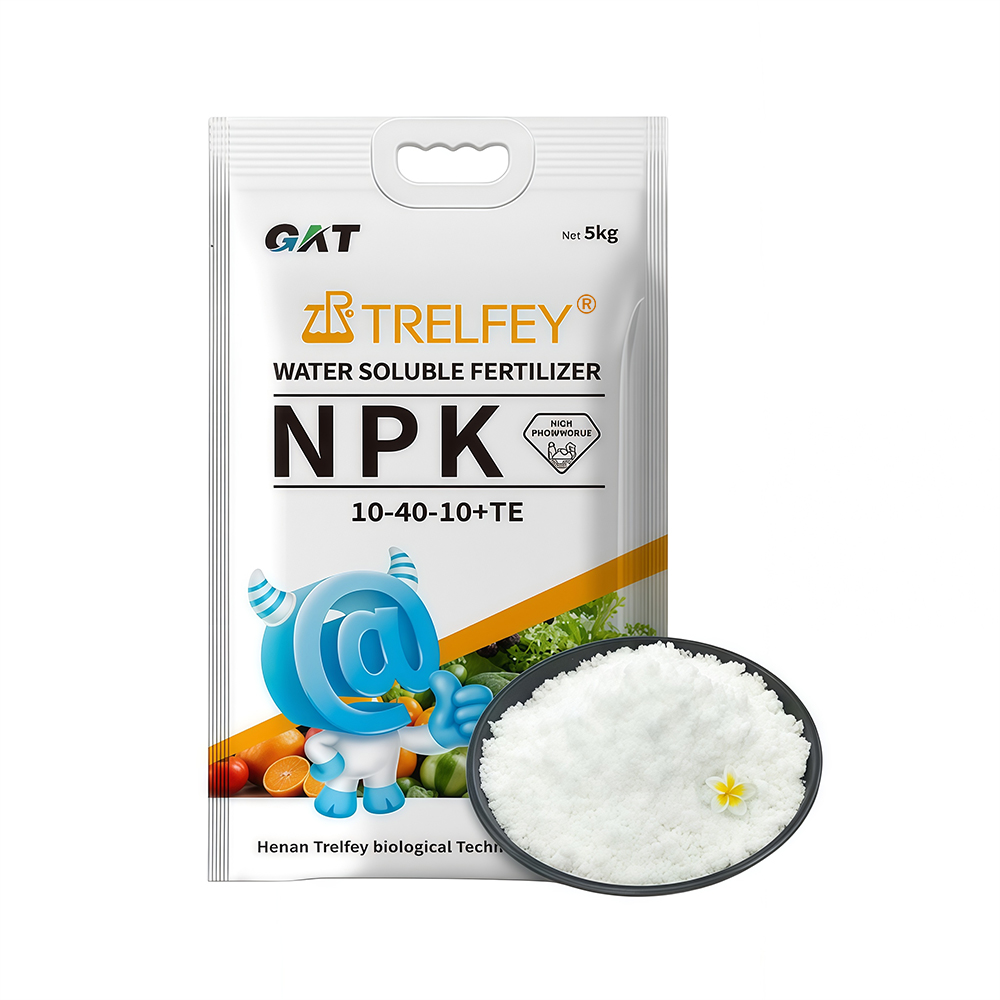
Water soluble fertilizer
1. Promote crop fruit enlargement, coloring and sweetness
2. Does not contain plant growth hormone
3. Contains a variety of trace elements
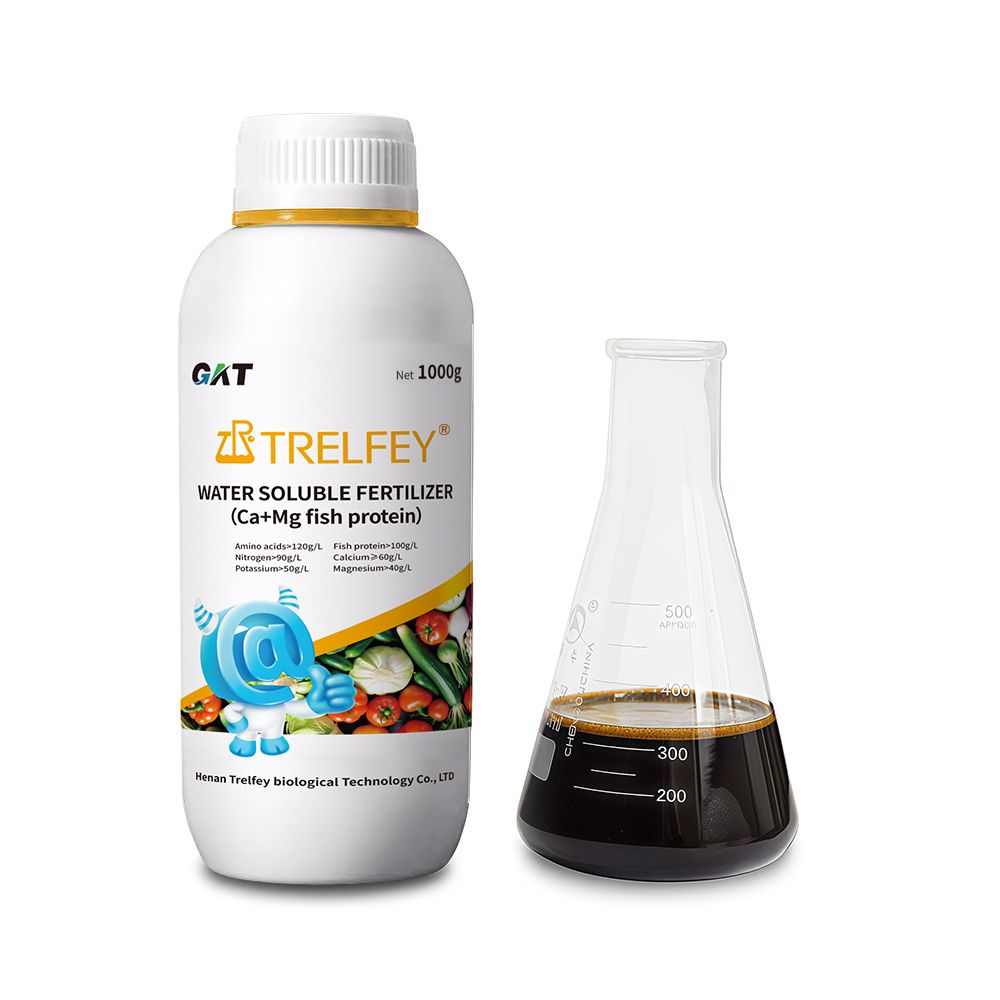
Potassium humate granules
1. Full nutritional formula, one spray and multiple effects
2. Reduce fertilizer dependence, fight disease and prevent disease
3. Organic + inorganic synergy