
Pomegranate Planting Harvest Guide
The Ultimate Guide to Pomegranate Planting and Bountiful Harvests
Introduction to Modern Pomegranate Cultivation
Pomegranate farming has evolved significantly with advanced agricultural techniques, offering substantial profits for commercial growers worldwide. This comprehensive guide explores scientifically-proven methods to optimize yield, fruit quality, and profitability while addressing common cultivation challenges. Whether you’re establishing a new orchard or seeking to improve existing trees, these evidence-based strategies will help you maximize your return on investment.
Professional pomegranate cultivation requires understanding both traditional wisdom and modern horticultural science. From soil preparation to post-harvest handling, each step presents opportunities to enhance productivity. This guide specifically addresses grower pain points including fruit cracking, pest management, and nutritional deficiencies with practical solutions backed by research.
Orchard Establishment and Site Selection
Successful pomegranate cultivation begins with proper site selection and orchard setup. According to research on Tunisian soft-seed pomegranates, well-drained soils with pH between 6.5-7.0 are ideal for root development and nutrient uptake. The trees thrive in areas with hot, dry summers and cool winters, though specific variety selection should match your local climate conditions.
For commercial plantations, Tunisian soft-seed pomegranates recommend planting densities of 4 meters between rows and 1.25 meters between plants, allowing approximately 2,000 trees per hectare. This density facilitates adequate sunlight penetration, air circulation, and efficient mechanization. Proper spacing reduces fungal disease incidence and improves spray coverage when addressing pest issues.
Comprehensive Nutrient Management Strategy
Pomegranates require balanced nutrition throughout their growth cycle. Studies indicate that appropriate fertilizer applications can increase yield by 25-40% while significantly reducing fruit cracking issues. Here’s a season-wise nutritional approach:
Pre-flowering Stage (Early Spring)
Apply NPK 30-10-10 + TE at 15kg/hectare to stimulate vigorous vegetative growth. This high-nitrogen formulation promotes shoot development and canopy establishment. Supplement with our Amino Acid + Trace Elements Liquid Fertilizer to enhance nutrient absorption and reduce stress during flowering initiation.
Flowering and Fruit Set
Switch to NPK 10-40-10 + TE at 12kg/hectare to support prolific flowering and improved fruit retention. The high phosphorus content encourages robust root development and enhances flower quality. Our Amino Acid + Calcium Magnesium + Fish Protein Liquid Fertilizer applied at 5L/hectare strengthens cell walls and reduces flower drop.
Fruit Development Phase
During rapid fruit expansion, apply NPK 10-5-45 + TE at 15kg/hectare to support fruit sizing and sugar accumulation. The elevated potassium levels improve fruit quality and enhance coloration. For additional quality enhancement, include MKP (0-52-34) at 3kg/hectare to reduce fruit cracking incidents by up to 30%.
Pre-harvest Preparation
Cease nitrogen applications 6-8 weeks before harvest while maintaining potassium via Potassium Humate Granules at 15kg/hectare. This practice enhances Brix levels and improves post-harvest shelf life.
Addressing Critical Pomegranate Growth Challenges
Fruit Cracking Prevention
Fruit cracking causes significant economic losses, sometimes affecting 30-60% of harvests. This complex issue relates to water fluctuations, nutritional imbalances, and environmental factors. Implement these proven strategies:
Maintain consistent soil moisture through drip irrigation, particularly during fruit maturation
Ensure adequate calcium through our Amino Acid + Calcium Magnesium + Fish Protein Liquid Fertilizer
Apply MKP during fruit development to strengthen skin elasticity
Use mulch to buffer soil moisture fluctuations
Blossom End Rot Management
Calcium deficiency often manifests as blossom end rot, where fruit bottoms become dark and leathery. Regular applications of calcium-rich fertilizers during fruit development can reduce incidence by up to 80%. Our Amino Acid + Calcium Magnesium + Fish Protein Liquid Fertilizer enhances calcium mobility within the plant when applied at 3-5L/hectare every 3-4 weeks during fruit growth.
Soil Health Improvement
Continuous pomegranate cultivation often leads to soil fatigue and root health issues. Our Bio-organic Fertilizer enriched with beneficial microorganisms improves soil structure and nutrient availability. For replant situations, Anti-replant Microbial Inoculant specifically formulated to combat soil-borne pathogens can increase survival rates by 40% in newly established orchards.
Water Management and Irrigation Strategies
Pomegranates require careful water management, as excessive irrigation promotes vegetative growth at the expense of fruit quality, while water stress induces fruit cracking. Research indicates that regulated deficit irrigation during specific growth stages can improve fruit quality without compromising yield.
Implement drip irrigation systems to deliver water directly to the root zone while keeping foliage dry, reducing disease incidence. Schedule irrigation based on evapotranspiration rates, applying approximately 60-70% of crop ET during fruit development phase, increasing to 90% during peak fruit expansion, then reducing to 50-60% during ripening to enhance sugar accumulation.
Pruning and Canopy Management
Proper pruning significantly influences both fruit production and quality. For Tunisian soft-seed pomegranates, research supports single-stem training with carefully managed side branches. This approach enhances light penetration into the canopy, improving fruit coloration and sugar content.
Year 1: Establish single main stem with 3-4 scaffold branches
Year 2-3: Develop spiral arrangement of productive branches around central leader
Annual maintenance: Remove water sprouts, inward-growing branches, and thin crowded areas
Renovation pruning: Mature bushes benefit from selective removal of 20% of oldest branches annually to stimulate new growth
Integrated Pest and Disease Management
Effective pest control preserves both yield and fruit marketability. Implement a proactive IPM program:
Major Insect Pests
Fruit borers: Deploy pheromone traps (15/hectare) and apply targeted biological insecticides during egg-laying periods
Sucking pests (aphids, thrips): Preserve natural enemies through selective insecticide use; our Amino Acid + Trace Elements Liquid Fertilizer strengthens plant defenses
Disease Prevention
Fungal pathogens (leaf spot, fruit rot): Ensure proper canopy air circulation, apply preventative fungicides before infection periods
Root diseases: Incorporate Anti-root knot nematode Microbial Inoculant during planting to establish protective rhizosphere community
Harvest Indices and Post-Harvest Handling
Determining optimal harvest timing directly influences market acceptance. Pomegranates don’t continue ripening after harvest, so proper timing is crucial. Look for these indicators:
Color development: Full cultivar-specific color with yellowish or red blush
Metallic sound when tapped
Calyx drying: Sepals at fruit base become dry and woody
Implement careful handling to prevent bruising and internal damage. Maintain cold chain (5-7°C) immediately after harvest to extend marketable life. Properly handled pomegranates can be stored for 2-3 months under ideal conditions.
Certification and Quality Standards
GlobalG.A.P. certification provides market access advantages through standardized production protocols. This certification encompasses traceability, food safety, and environmental sustainability requirements. Documentation of all farming activities including fertilizer applications, pest control measures, and harvest practices is essential for certification.
Economic Considerations and ROI Optimization
Professional pomegranate cultivation requires substantial investment, particularly in establishment years. However, proper management delivers excellent returns:
Years 1-2: Establishment phase with limited production
Year 3: Initial commercial yield of 8-12 tons/hectare
Years 4-6: Full production of 18-25 tons/hectare
Quality premiums: Superior fruit can command 20-30% price premiums
Strategic fertilizer investments typically represent 15-20% of variable costs but influence 40-60% of ultimate yield and quality outcomes. Our specialized pomegranate fertilizer programs optimize this crucial investment.
Conclusion and Next Steps
Successful pomegranate cultivation integrates scientific knowledge with practical management. By addressing nutritional needs, irrigation management, and pest control systematically, growers can achieve consistent high-quality production. The specialized fertilizers and microbial inoculants mentioned in this guide are available through our professional agricultural inputs store.
If you have any questions that need to be answered, you can always find us through the chat icon in the lower right corner of the page or directly enter Trelfey’s store to view the products.
Of course, you can also check out our other social media (such as Linkedin) to learn more about us.
Reference Websites
Keywords
Primary Keywords: pomegranate planting guide, pomegranate fertilizer schedule, fruit cracking solution, commercial pomegranate cultivation, pomegranate orchard management
Secondary Keywords: pomegranate yield per hectare, pomegranate disease control, pomegranate pruning techniques, pomegranate harvest timing, pomegranate nutrition requirements
Long-tail Keywords: how to prevent pomegranate fruit cracking, best fertilizer for pomegranate trees, increasing pomegranate fruit size, organic pomegranate farming methods, pomegranate irrigation requirements
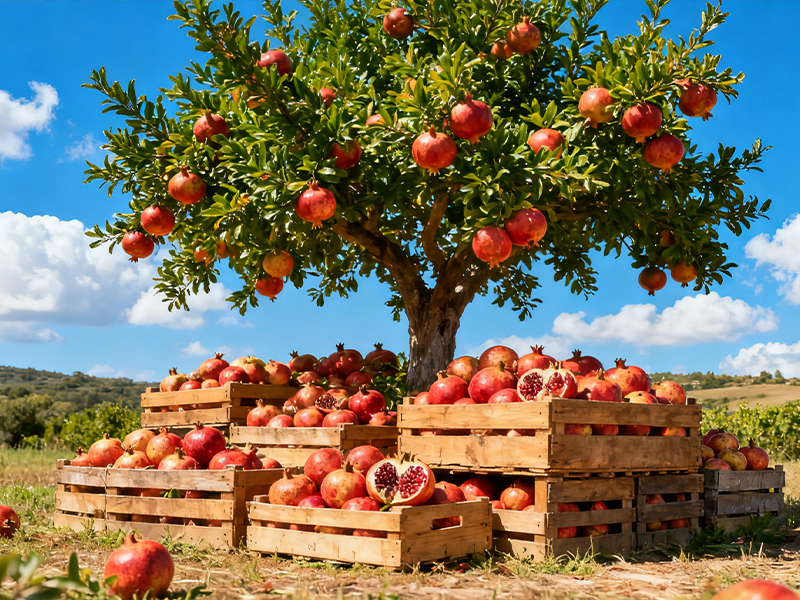
Endless pomegranate fields bend under sun-ripened fruits—nature’s generous gift. Trelfey Fertilizer is here to amplify this bounty, unlocking richer yields for you!
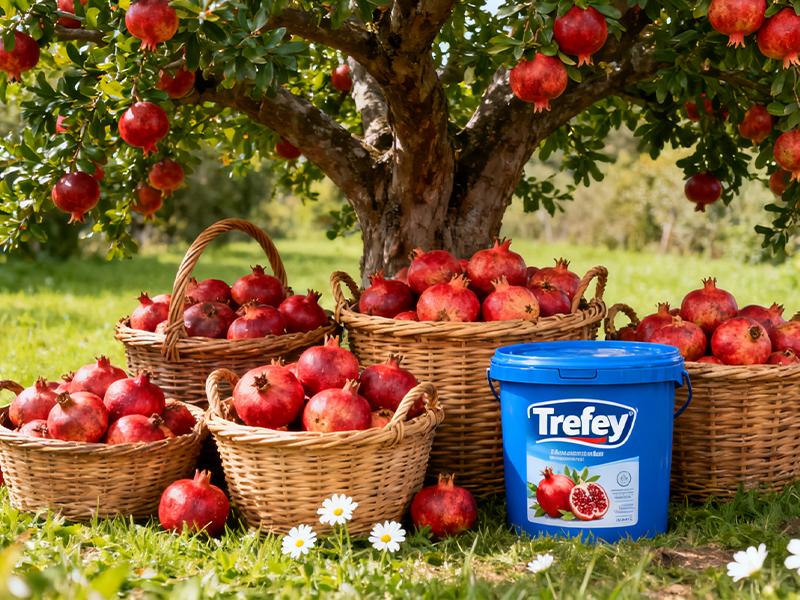
Your pomegranate fields thrive with lusher foliage, denser fruits, and bigger harvests—turn ordinary yields into extraordinary profits!
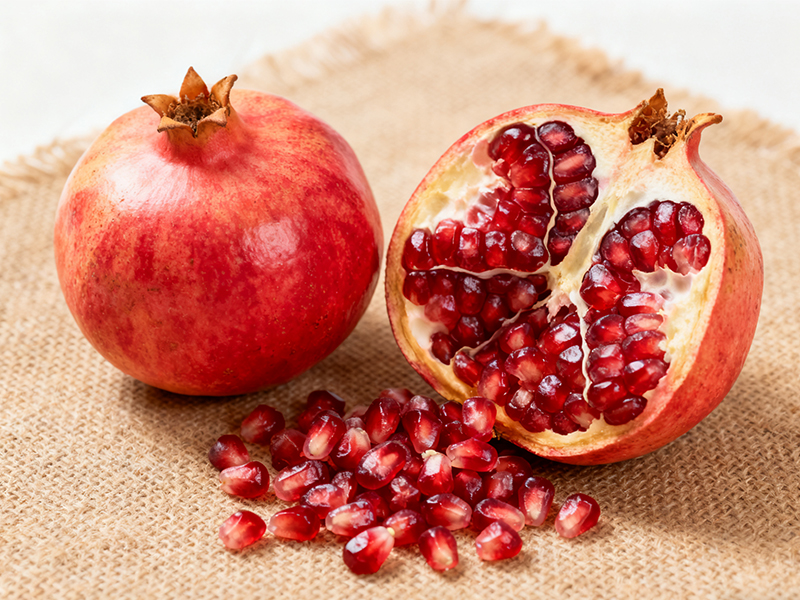
Ruby-red arils burst with juiciness! Plump, sweet, and vibrant—Trelfey’s balanced nutrients craft pomegranates that dazzle in taste and appearance!
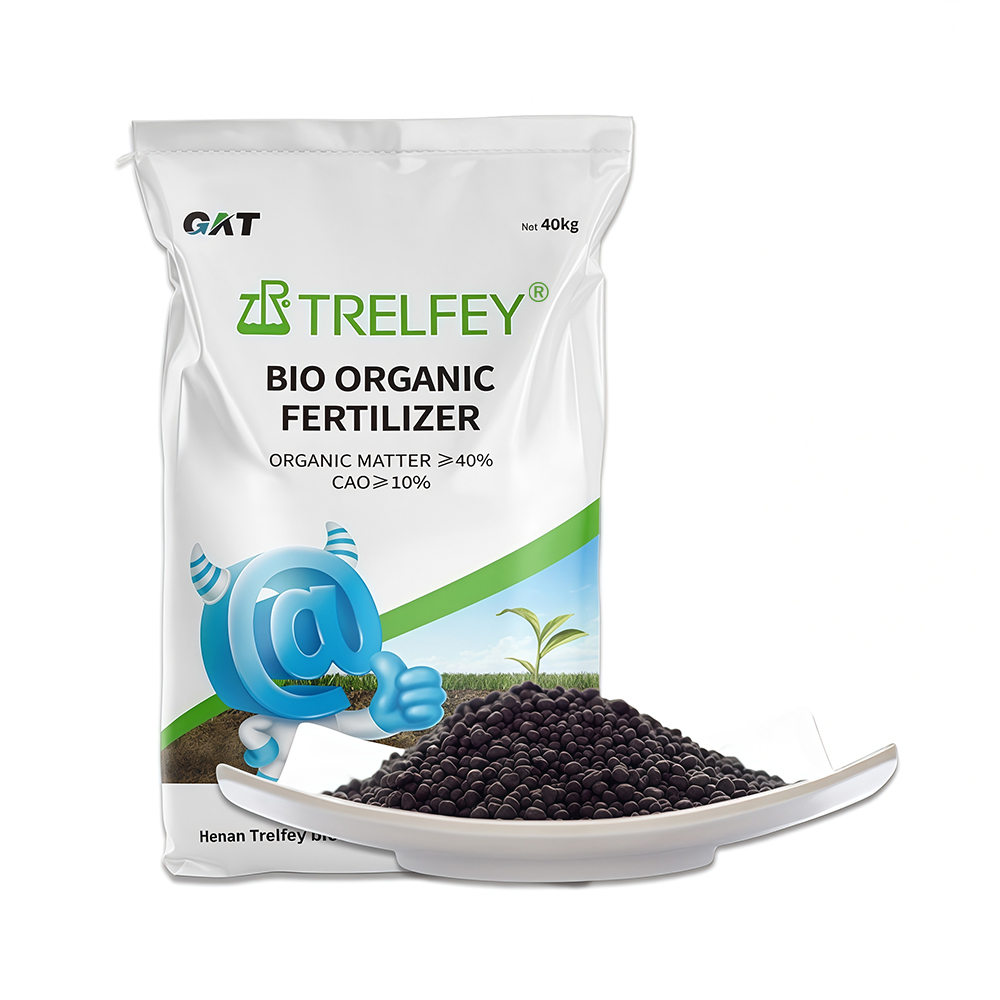
Bio-organic fertilizer
Organic matter ≥40%, CaO≥10%
The number of beneficial live bacteria ≥0.20 billion/g
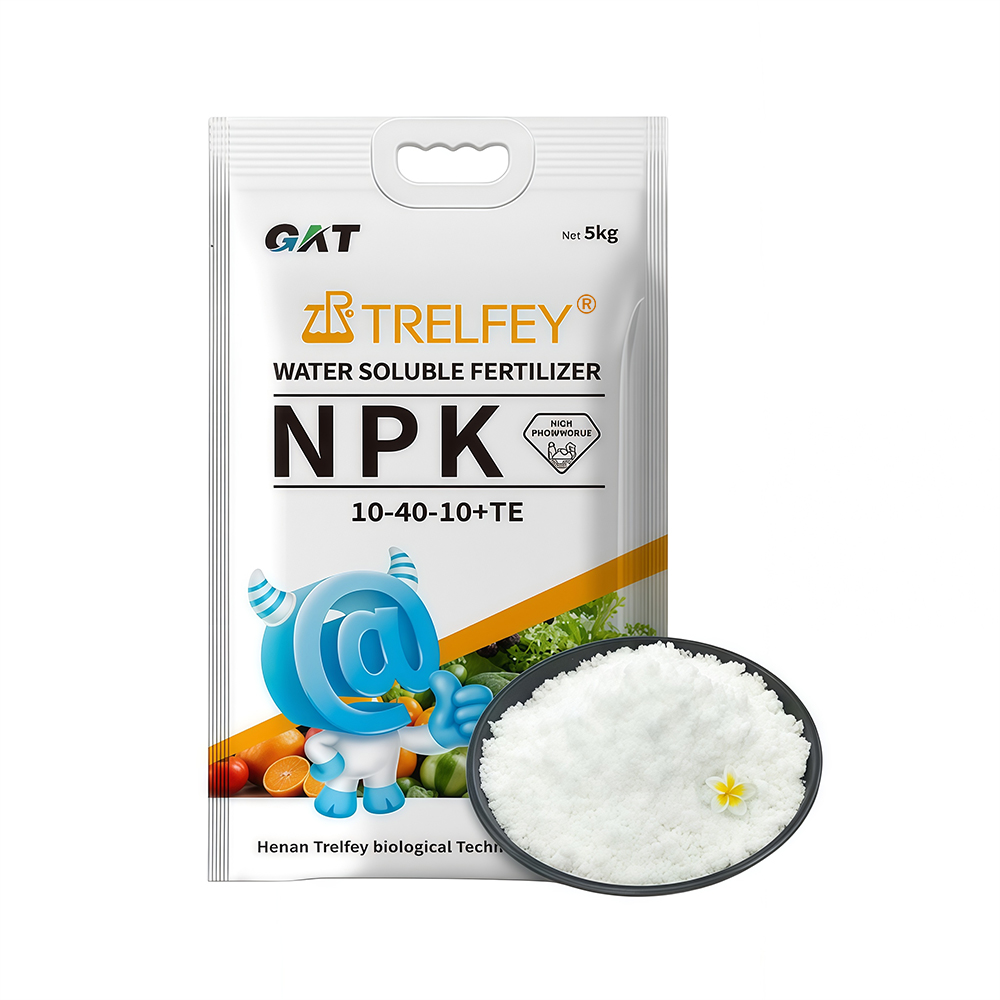
Water soluble fertilizer
Protect the roots and nourish the roots, protect the buds and protect the flowers
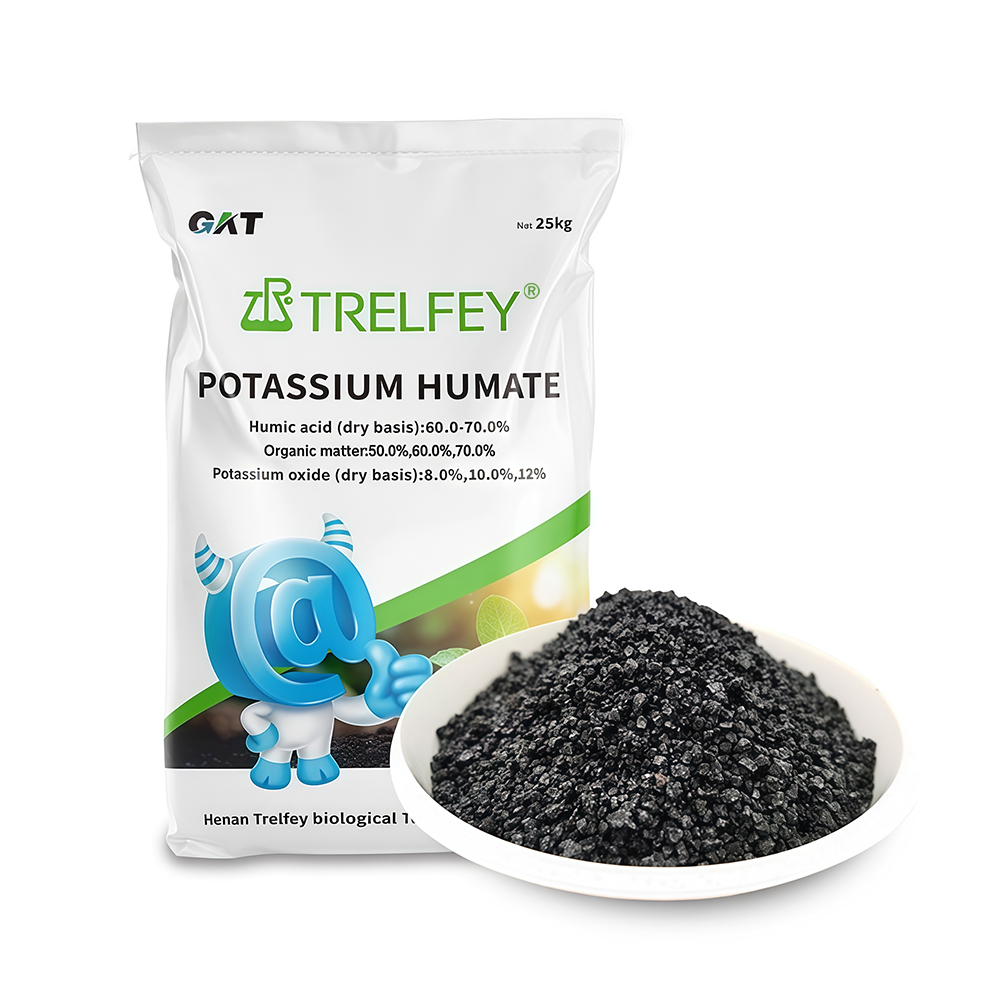
Potassium humate granules
Humic acid (dry base): 60.0-70.0%
Total nutrient (KOO): 8.0%-12.0% (customizable)