
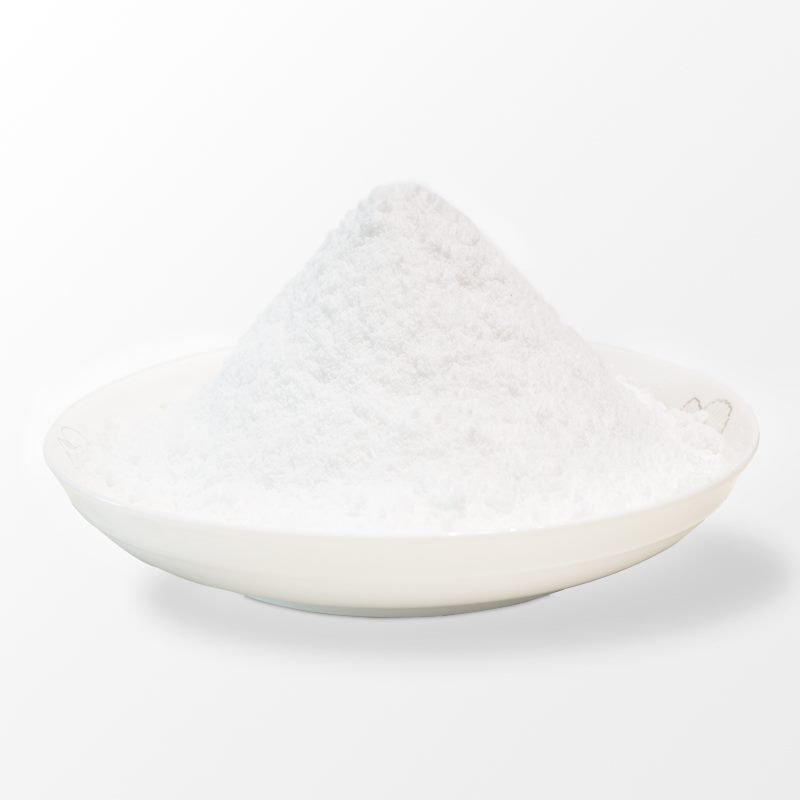
High nitrogen fertilizer suits a crop that is still building leaf and stem, not one that is filling fruit. That single distinction decides most of the choice. Between them sit the nitrogen form, the ratio of the grade, and the calcium and magnesium that travel with it.
What High Nitrogen Fertilizer Is For
A nitrogen-forward grade carries more N than P and K. Typical examples sit near 30-10-10 or 20-10-10. Growers reach for them during rapid canopy growth, after transplanting, and after a period of leaching rain. In each case the plant is rebuilding structure, so leaf area is the limiting factor.
Read the Nitrogen Form, Not Only the Number
Two grades can both show 30 percent nitrogen and behave differently. Nitrate nitrogen moves quickly and feeds the plant at once. Ammonium nitrogen holds longer in the soil and shifts pH over time. Urea nitrogen needs conversion before uptake. Therefore, ask which form the grade supplies before you compare prices.
Vegetative Stages Where N Leads
Early establishment is the clearest case. A young plant with a small root system cannot draw from soil reserves. In that case, a soluble high-N feed through drip or foliar reaches it directly. Leafy crops follow the same logic through the harvest window. Our NPK grade notes show how the vegetative stage scales with the season.
Where a Nitrogen-Forward Grade Stops Working
Nitrogen stops paying once the plant moves to reproduction. At flowering and fruit fill, extra N pushes leaf at the expense of fruit, and it can delay maturity. Therefore, plan the switch before the stage change. Our potassium source comparison covers the grade that takes over.
Balance N With Calcium and Magnesium
Heavy nitrogen feeding competes with calcium and magnesium uptake. Because calcium moves only in the transpiration stream, a fast-growing canopy can outrun its supply. In practice, growers pair the high-N rounds with a calcium-magnesium source. Then they watch the leaf for the first sign of imbalance.
Choosing Between 30-10-10 and a Balanced Grade
The comparison is not about strength. A balanced grade such as 20-20-20 covers a plant that needs steady support across stages. A nitrogen-forward grade covers a plant that needs one thing now. When a program mixes both, use the high-N rounds early and the balanced rounds through the middle of the cycle.
What Buyers Should Confirm
Ask three things before ordering. First, the nitrogen forms and their shares. Second, the solubility and the residue in your own water, as the EC and pH notes explain. Third, how the grade behaves in a blend. Once those answers are on paper, the offer becomes comparable. Our quotation checklist lists the full document set.
Reference: FAO Soils Portal for nutrient management context.
Follow Trelfey on Facebook for program and formulation notes: Trelfey on Facebook.