
Auricularia auricula, better known as wood ear, is one of the few vegetables that keeps producing through a 38°C summer. This guide covers the auricularia auricula planting calendar, a six-step cultivation protocol, and the pruning and feeding tactics that push yield in the second and third flushes.
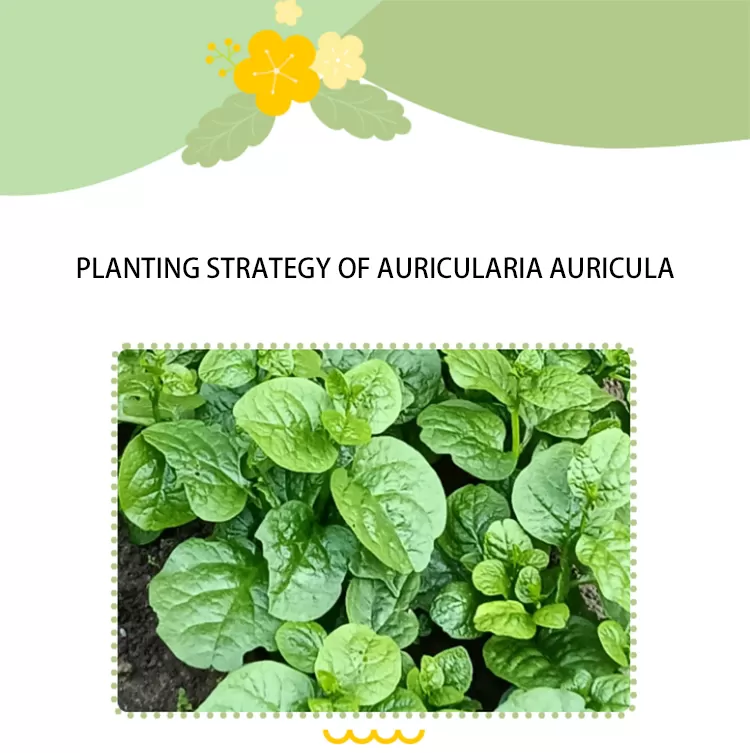
Auricularia Auricula: The Heat-Tolerant Summer Crop
Wood ear outperforms most leafy vegetables in heat. It grows steadily at 38°C, when lettuce and spinach stall. Because it tolerates that range, May to July is the prime planting window, and the crop delivers fresh harvests right through the hottest months. In addition, that window matters commercially, because few other vegetables reach the market in July.
Six-Step Auricularia Auricula Cultivation Protocol
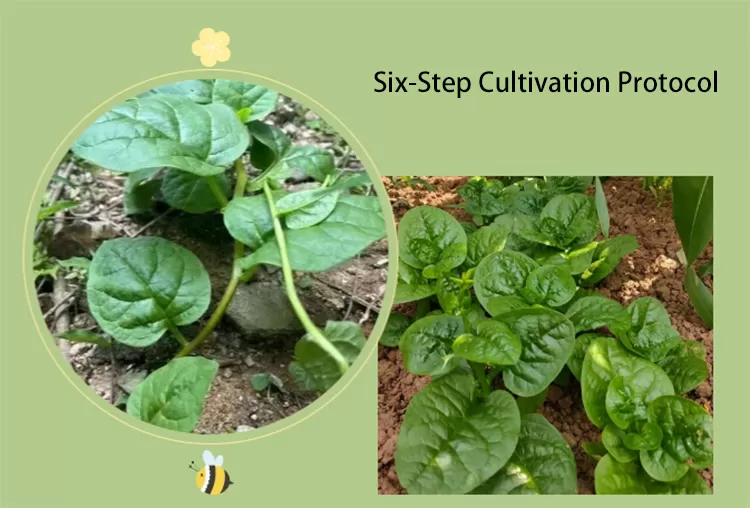
1. Seed selection. Choose plump, undamaged seeds, because germination rate depends on it.
2. Soil preparation. First, prioritise well-drained, fertile soil. Blend garden soil, leaf mould and river sand at 3:6:1 to prevent compaction, then hold pH between 6.0 and 7.0. As a result, beds drain faster after heavy rain.
3. Sowing. Surface-sow the seeds and cover with 0.5 cm of soil. Keep moisture at the “hand-squeeze” level: the soil clumps without dripping, and crumbles when you release it.
4. Light and temperature. Provide partial shade, because exposed foliage scorches above 30°C. Ideal temperatures sit between 15 and 28°C, and growth slows above that range.
5. Feeding. Avoid over-fertilisation. At establishment, apply 50 g/m² of NPK water-soluble fertilizer. Later, thicken the leaves with MKP (0-52-34). Note that excess nitrogen reduces flavour quality.
6. Watering. Keep the soil consistently moist. Use mist irrigation, because it prevents compaction and holds humidity around the bed.
High-Yield Auricularia Auricula Tactics After the First Harvest
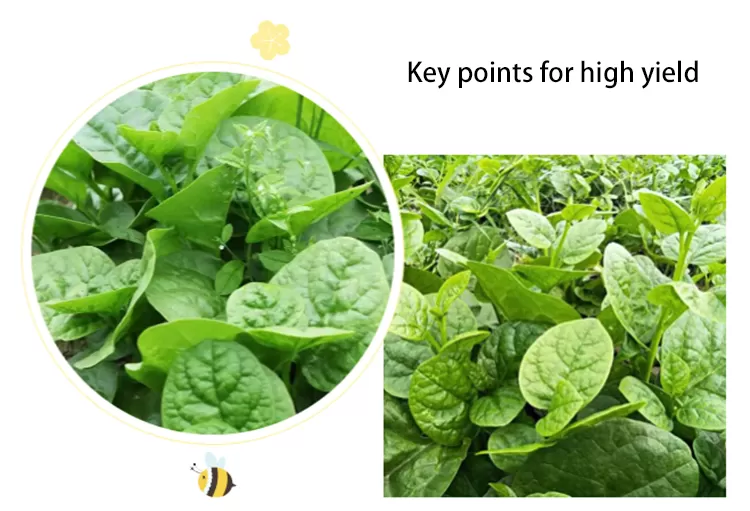
At 25 cm of height, prune the top two segments. That single cut triggers seven or more side shoots. Then apply a rapid-action liquid organic fertilizer to accelerate lateral growth.
Moreover, mist the undersides of the leaves in the morning and evening. This reduces bitterness and thickens the leaves. For disease resistance, add microbial inoculants to the irrigation water.
Applicable Products
Granular organic fertilizer / NPK Water-Soluble Fertilizer / Microbial Inoculants / MKP / Humic Acid
Above all, choose formulations matched to your climate and growing cycle. Our export team will help you select the right products for your region and soil type. You can also reach us through the chat icon at the bottom right of this page, or follow Trelfey on LinkedIn for field trial updates.