

Choosing between humic acid fertilizer and fulvic acid comes down to your soil chemistry, crop stage and irrigation system. Both are humic substances extracted from leonardite, but they behave very differently in saline and sandy soils. This guide compares the two and explains when to use each, with references to the Trelfey humic acid product line.
What Are Humic and Fulvic Acids?
Humic substances form as organic matter decomposes over thousands of years. Humic acid is the high-molecular-weight fraction: dark, slow-acting, and excellent at rebuilding soil structure, cation exchange capacity and water retention. Fulvic acid is the low-molecular-weight fraction: light yellow to amber, fully water-soluble at any pH, and fast-acting inside the plant.
Humic vs Fulvic: Key Differences
- Molecular size: humic acid is large and stays in the soil; fulvic acid is small and enters the plant.
- Solubility: humic acid needs alkaline conditions or potassium to dissolve; fulvic acid dissolves in plain water.
- Speed: humic acid improves soil over weeks to months; fulvic acid shows leaf and root response in days.
- Best channel: humic acid via soil application; fulvic acid via fertigation or foliar spray.
Humic Acid for Saline and Sandy Soils
On saline soils, humic acid binds sodium ions and flushes them past the root zone, while the humate fraction buffers pH and unlocks calcium. On sandy soils, it adds organic colloids that hold water and nutrients that sand simply drains away. This is why humic acid fertilizer is a standard amendment for Middle East, African and North American growers facing saline groundwater or sandy fields.
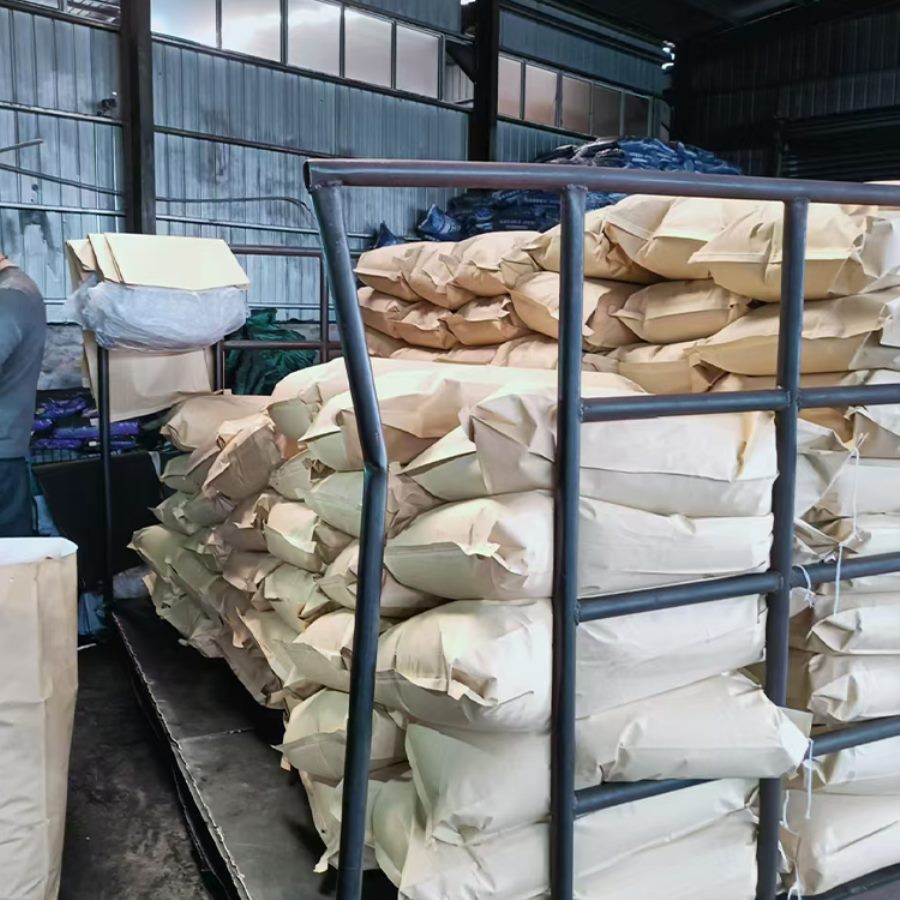
Fulvic Acid: The Fast-Acting Partner
Fulvic acid chelates micronutrients, keeps them soluble in the tank and moves them through the leaf cuticle. Use it as a tank partner with your NPK program during stress periods: transplant shock, heat, salinity spikes and flowering. Many growers run humic acid in the soil at the start of the season and fulvic acid through the irrigation cycle.
Application and Dosage Principles
Start from a soil or water test rather than a fixed rate: check EC, pH and organic matter first. Split applications over the season outperform one heavy dose, especially on sandy soils where leaching is fast. Keep records per field so you can compare responses between treated and untreated strips.
Choosing a Humic Acid Fertilizer Supplier
Look for leonardite origin, solubility data and a batch COA on every delivery. The same verification discipline applies across our full product range – see how to read a certificate of analysis before buying, or talk to our export team via the contact page. For independent reference on soil and water management, see the FAO.
Follow Trelfey on Facebook for field trial results, new formulations and export updates: Trelfey on Facebook.