
The global water-soluble fertilizer market keeps compounding: market researchers now project it to grow from USD 22.25 billion in 2026 to USD 31.00 billion by 2031, a CAGR of 6.9%. For bulk buyers and distributors, that growth means more suppliers, more formulas and a wider quality gap between factories. Knowing how to read the market is part of knowing how to buy.
Global Market Outlook
According to MarketsandMarkets, the expansion is driven by nutrient management systems that lift crop yield while cutting environmental load. Fertigation and drip programs are the fastest-growing application channels, which raises demand for fully soluble, low-salt-index NPK and micronutrient blends.
What Is Driving the Demand?
A May 2026 industry release from GlobeNewswire links the trend to precision agriculture: farmers increasingly choose water-soluble fertilizers because dosing is accurate, labor is lower and residue is minimal. Greenhouse expansion in the Middle East and Latin America, plus soil-repair programs in Africa, are pulling more tonnage into water-soluble formats.
Where the Growth Is Concentrated
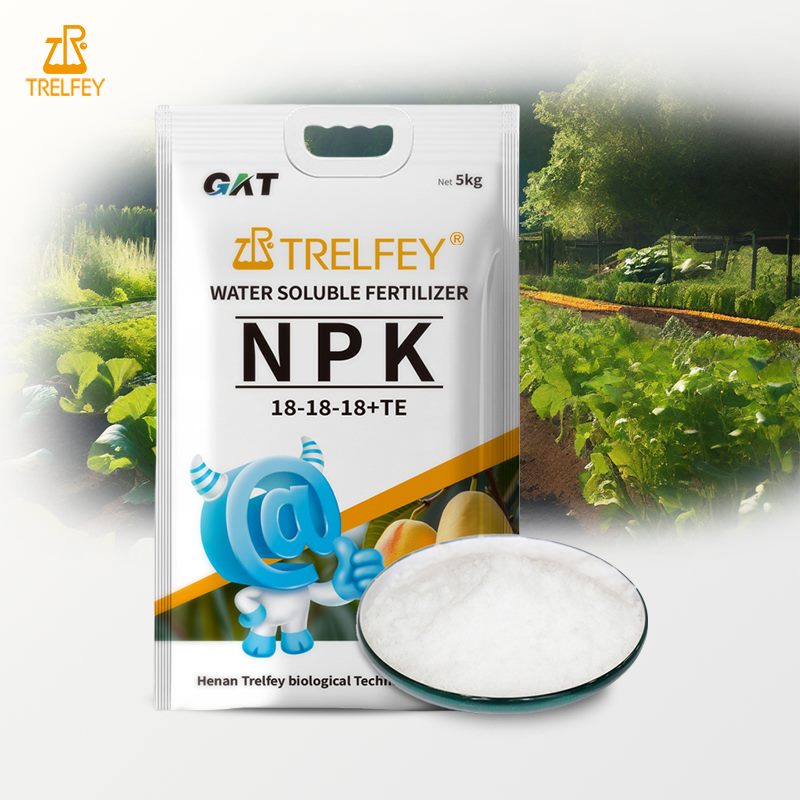
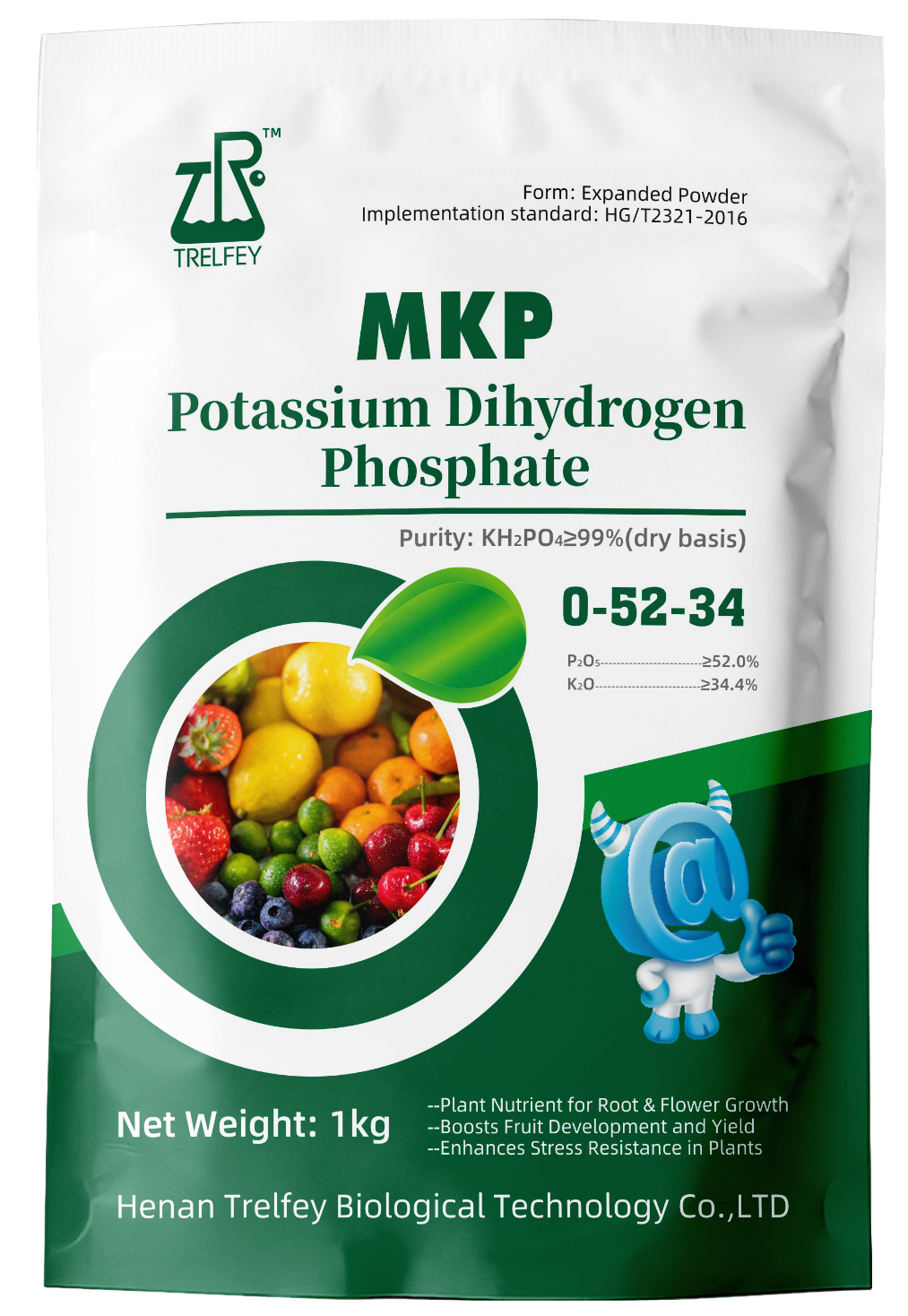
The fastest-moving categories are balanced NPK for fertigation, high-phosphorus flowering blends, hydroponic A+B systems and chelated micronutrient packs. Buyers who lock in consistent quality across these lines gain leverage: one audit, one COA discipline, one supplier. Our product range covers all eight categories with batch-level traceability.
What Buyers Should Watch in 2026-2027
- Supplier claims are easier to verify when every batch ships with a COA covering nutrients and heavy metals – see how to read one here.
- Formula consistency matters more than marginal price differences: a 1% analysis drift changes your fertigation program.
- Capacity transparency separates real factories from traders: ask about production base, lab and packing lines before ordering.
Sources: MarketsandMarkets, Water-Soluble Fertilizers Market Report 2026-2031; GlobeNewswire, May 7, 2026.