
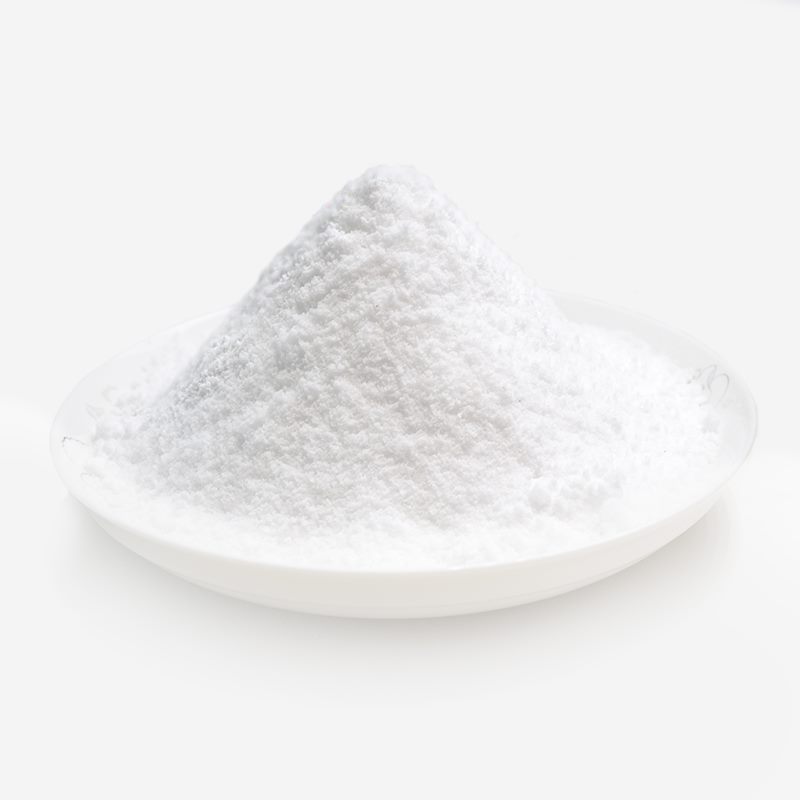
The numbers on a bag of water-soluble fertilizer tell you the NPK ratio – the relative weight of nitrogen (N), phosphorus (P2O5) and potassium (K2O). Choosing the right ratio for each crop stage is the single biggest lever on yield, fruit quality and input cost, so it pays to understand what the three letters actually control.
What Each Element Controls
Nitrogen drives vegetative growth: leaf area, stem vigour and canopy development. Phosphorus is the engine of energy transfer and root growth, and it becomes critical at flowering and early fruit set. Potassium governs fruit size, sugar accumulation, water regulation and stress tolerance – the element that decides marketable quality.
High-P Formulas: Flowering and Root Development
During the transition to flowering, plants demand more phosphorus. A high-P ratio such as 10-40-10+TE supports bud formation, pollination and early fruit development, and is widely used on tomatoes, peppers, avocado and strawberries at the reproductive stage.
High-K Formulas: Fruit Quality and Stress
Potassium becomes dominant as fruit fill and ripen. Ratios such as 10-5-45+TE drive brix, shelf life and colour in grapes, melons and citrus, and help crops hold quality under heat and salinity stress. High-K programs are a staple of late-season feeding.
Balanced Formulas: Vegetative Growth and General Programs
Balanced ratios such as 18-18-18+TE or 21-21-21+TE are the workhorses of vegetative growth, greenhouse programs and crops grown across mixed stages. They keep nutrition stable when you need flexibility, and pair well with A+B hydroponic feeding schedules.
How to Choose Your NPK Ratio
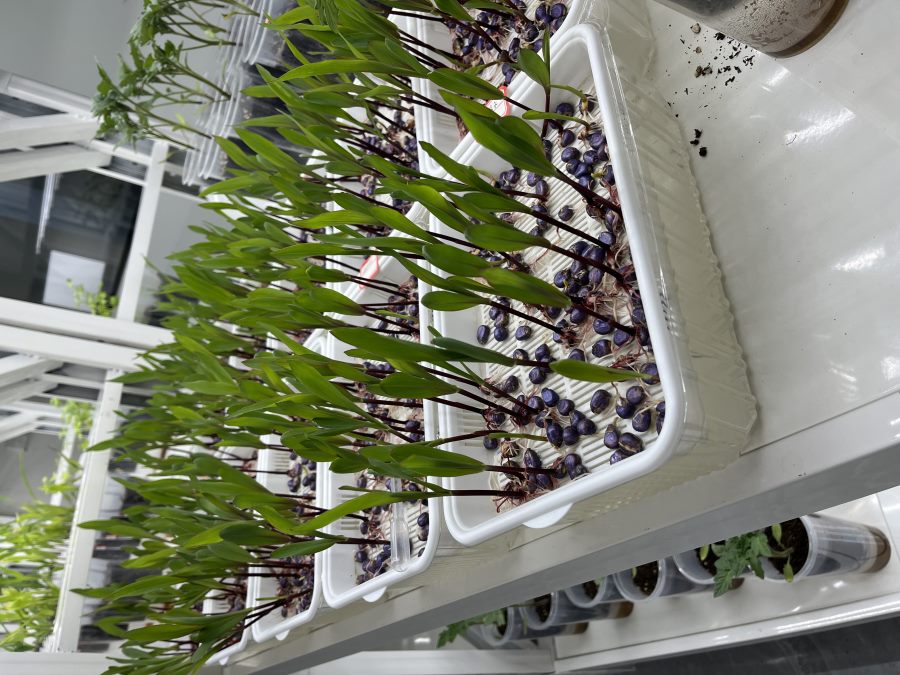
Match the ratio to the crop stage, not the brand: soil tests and tissue analysis should guide the program, water-soluble grades dissolve fully for fertigation, and a balanced series lets you switch ratios without changing suppliers. Always confirm the full specification – see how to read a batch COA before you commit.
For a full line of high-P, high-K and balanced formulations, explore the Trelfey product range or talk to the export team with your crop program in hand.
Follow Trelfey on Facebook for field trial results, new formulations and export updates: Trelfey on Facebook.