
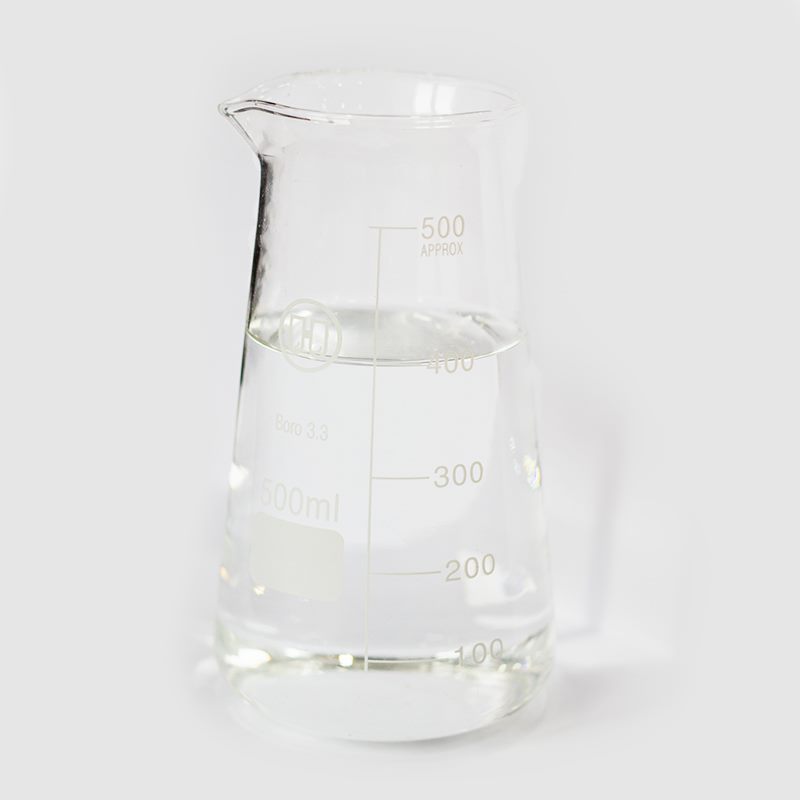
Fertigation – injecting water-soluble fertilizer through drip or sprinkler irrigation – lets you feed crops in precise, frequent doses instead of occasional heavy applications. Done well, it lifts nutrient use efficiency, saves labour and keeps fertigation programs stable from transplant to harvest.
What Fertigation Is and Why It Works
Fertigation combines irrigation water with dissolved fertilizer, so nutrients travel directly to the root zone. Because water-soluble fertilizer (WSF) grades dissolve fully and stay in solution, they are the standard choice for injection programs, especially in greenhouses, date palm orchards and berry fields.
Injection Methods: Venturi, Pumps and Proportional Dosing
The three main ways to inject are Venturi injectors, diaphragm or piston dosing pumps, and proportional dosing systems. Venturi units are simple and cheap but pressure-sensitive; dosing pumps give accurate, repeatable rates; proportional systems match injection to flow automatically. Choose by fertigation scale, target accuracy and water source consistency.
Calculating Dosing Rates
Dosing starts from the crop’s nutrient demand per week, the irrigation volume and the stock tank concentration. A practical rule is to keep the final irrigation EC inside the crop’s target range and split nitrogen into several weekly shots on sandy soils. Recalculate whenever water source or crop stage changes – see how to read a batch COA so you know the exact analysis you are injecting.
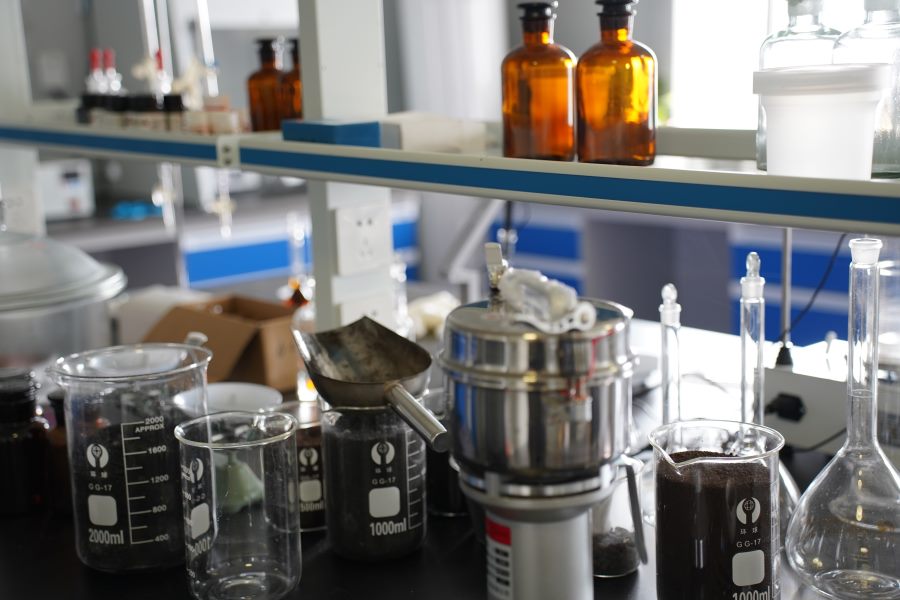
Water Quality: The Hidden Variable
Irrigation water chemistry decides whether a fertigation program runs smoothly or fails slowly. High bicarbonate drives pH up and precipitates calcium and phosphate; hard water needs acid adjustment before injection. Test pH, EC, bicarbonate and iron regularly, and filter to protect drip emitters from clogging.
Common Fertigation Mistakes
The most common failures are injecting incompatible products together (calcium with phosphate), ignoring water pH, under-filtering, and guessing rather than measuring EC. Avoid mixing concentrated A and B stocks until the point of injection, and flush lines with clean water after each cycle.
Choosing the right NPK ratio for each stage, from a balanced water-soluble product range, makes dosing simpler. For greenhouse and soilless setups, pair fertigation with a solid A+B feeding schedule.
Water management guidance from FAO supports sound irrigation scheduling: FAO water management.
Follow Trelfey on Facebook for fertigation trial results and new formulations: Trelfey on Facebook.