
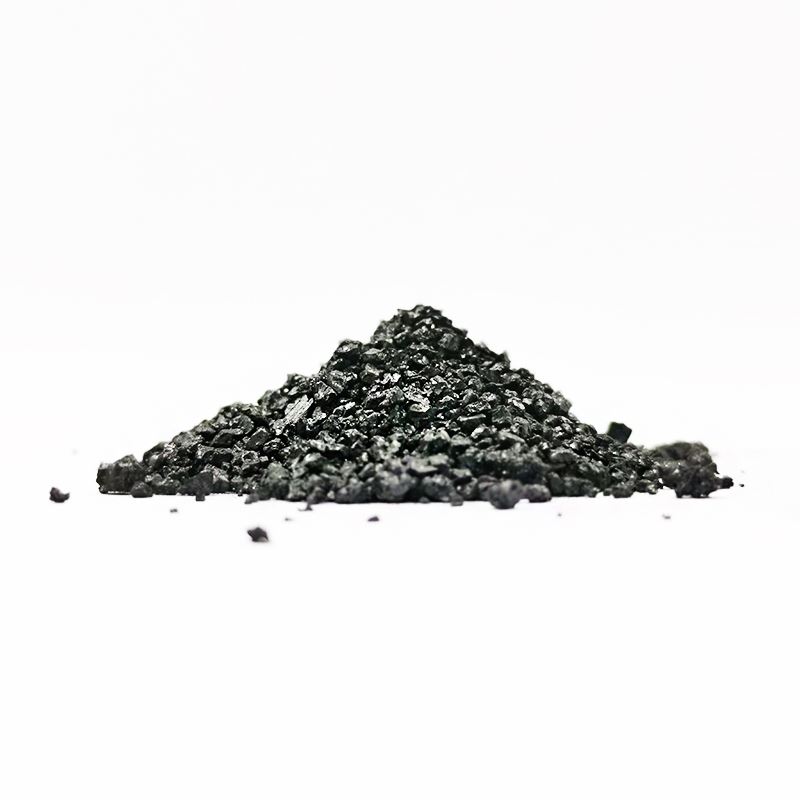
Potassium decides how well a crop finishes. Therefore the choice between potassium nitrate, potassium sulphate and MKP matters most at fruit fill. Each source carries different partners, and those partners shape when the source fits.
Why Potassium Matters at Fruit Fill
Potassium drives sugar movement into the fruit, and it supports cell strength in the skin. When supply falls short, fruit size and shelf life both suffer. Because the plant cannot store potassium for later, the supply must arrive during the fill window rather than after it.
Choosing a High Potassium Fertilizer Source
Three questions settle most decisions. First, does the crop need nitrogen at that stage? Second, does the soil already carry enough sulphur? Third, will the product be injected through drip lines? Answer those three, and the source usually selects itself.
For the ratio logic behind each stage, see our NPK ratio notes.
Potassium Nitrate: Potassium With Nitrogen
Potassium nitrate supplies potassium and nitrate nitrogen together. In practice, that pairing suits crops that keep growing while they fill fruit. It dissolves cleanly, so it behaves well in fertigation. However, the nitrogen load is a disadvantage late in the season, when excess leaf growth is unwanted.
Potassium Sulphate: Potassium Without Nitrogen
Potassium sulphate carries potassium and sulphur, and no nitrogen. As a result, it fits crops that must stop vegetative growth before harvest. It also suits soils short of sulphur. Meanwhile, its lower solubility makes it less convenient for injection than nitrate, so many programs apply it to the soil instead.
MKP: Phosphorus and Potassium Together
Mono potassium phosphate pairs phosphorus with potassium, and it carries no nitrogen. Because the solution turns acidic, it also helps keep lines clean when used carefully. Therefore MKP fits the transition between flower initiation and early fill. Our high-phosphorus comparison covers that window in more detail.
Solubility and Tank Compatibility
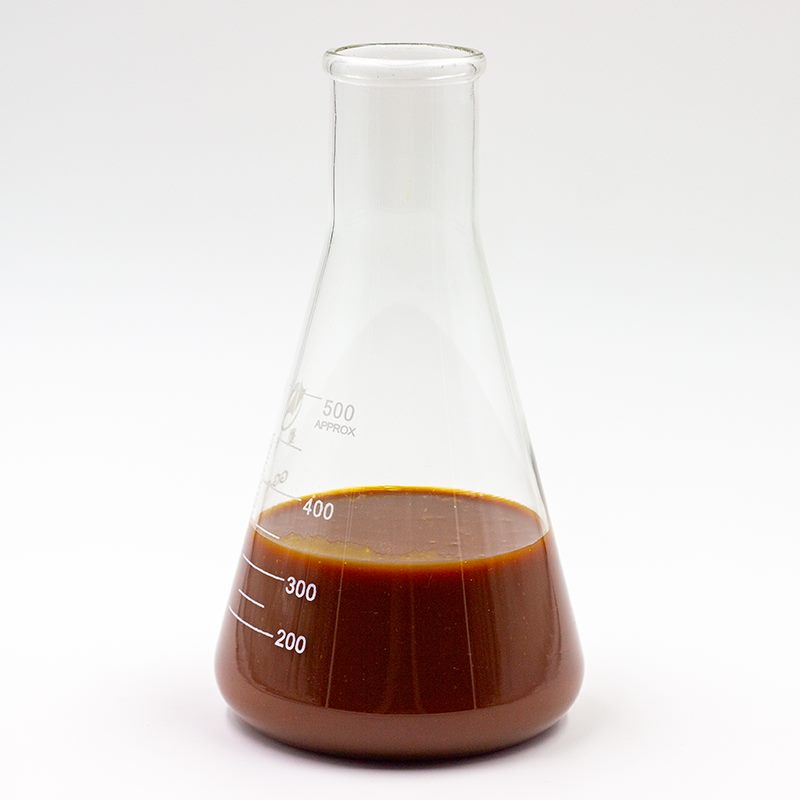
Injection programs need clean solutions. Nitrate grades are the easiest to work with, and MKP is a close second. Sulphate grades need more water and more patience. In addition, calcium must never meet phosphate or sulphate in the same concentrate. When that rule is broken, precipitate forms and blocks emitters.
Daily EC and pH readings catch most mixing problems before they reach the field.
Matching the Source to Your Program
Most programs use more than one source across the season. Furthermore, the switch point depends on the crop, not on habit. A durian or mango program may start with MKP and finish with sulphate. Our durian program shows that sequence in practice, and our balanced grade comparison covers the earlier stages.
For granular soil application at the same stage, two options stand out. Buyers often pair potassium humate granules or 10-5-45 water-soluble NPK with the sources above.
What to Confirm With a Supplier
Ask which partner nutrient each grade carries, and ask for the analysis sheet. Then confirm solubility behaviour in your water, and request a small trial before committing the season. Our quotation checklist lists the full document set.
Reference: FAO Soils Portal for nutrient management context.
Follow Trelfey on Facebook for formulation and program notes: Trelfey on Facebook.