
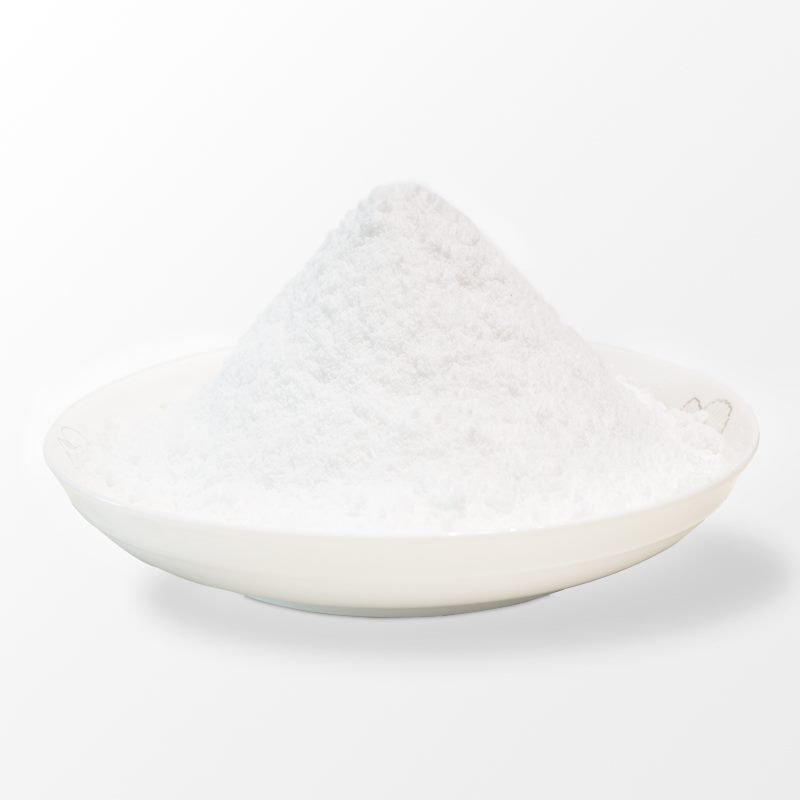
Three numbers on a bag look almost interchangeable, yet the choice between 18-18-18, 20-20-20 and 15-15-15 shapes solubility, application rate, burn risk and freight per nutrient unit. This guide compares the grades buyers actually quote for greenhouses and open-field programs, and shows when a balanced NPK fertilizer is the right call at all.
What a Balanced NPK Fertilizer Really Means
A balanced grade carries equal percentages of nitrogen, phosphorus and potassium — the ratio is 1:1:1 even though the analysis level differs. Equal ratio does not mean equal behaviour in the field: the crop takes up the three nutrients at different rates by growth stage, so a balanced formula is a baseline, not a full program. Ratio logic for flowering and fruiting is covered in our NPK ratio guide.
18-18-18: The All-Round Baseline
The classic general-purpose grade. Total nutrient content of 54% leaves room for trace elements and gives enough concentration to be practical for fertigation and foliar use, while keeping salt index moderate. It suits vegetative growth, mixed cropping and any program where you would rather adjust with supplements than change the base grade.
20-20-20: Higher Concentration, Same Ratio
At 60% total analysis, 20-20-20 delivers more nutrition per kilogram of product, which lowers freight, packaging and warehousing cost per nutrient unit — a real advantage where logistics dominate landed cost, as in long-distance sourcing. The trade-offs are a higher salt index per unit of product and less space for micronutrient loading, so dilution discipline and EC monitoring matter more.
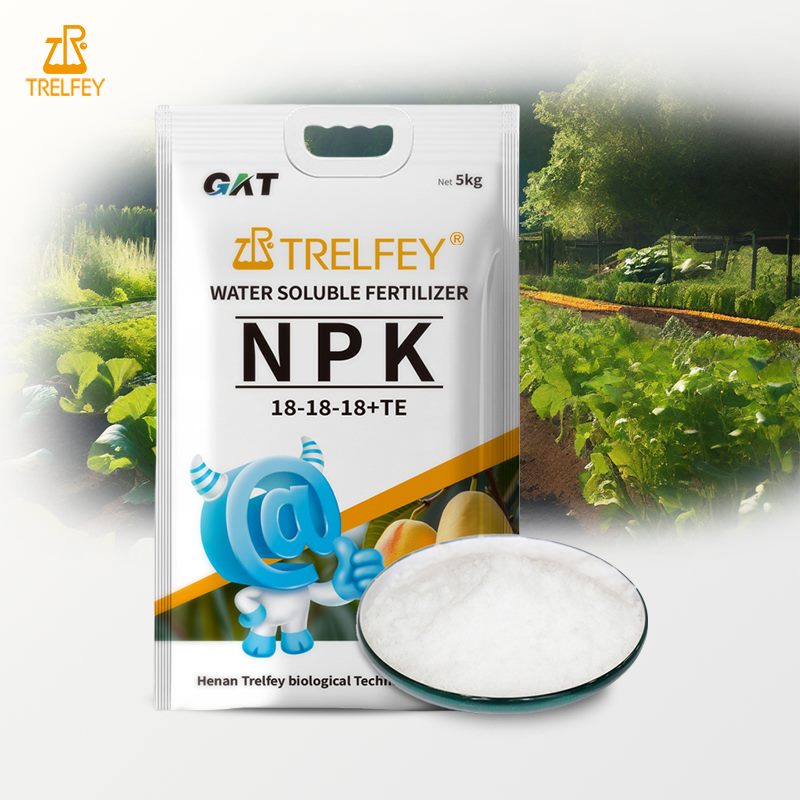
15-15-15: Lower Analysis, Less Burn Risk
The gentler option. Lower concentration per kilogram means a wider safety margin against root burn in seedling, nursery and sensitive-crop work, and easier volumetric dosing for small tanks. The cost is more product moved per hectare, so it usually loses on logistics for broad-acre use and wins where precision and safety outweigh freight.
Which Grade Fits Which Crop and Stage
- Establishment and vegetative growth: 18-18-18 or 20-20-20, with nitrogen-led adjustments.
- Seedlings, nursery and sensitive roots: 15-15-15 at reduced concentration.
- Fruiting and ripening: leave the balanced ratio behind and move to potassium-led formulas.
- Fertigation programs: pick the grade that keeps your injection EC in range — see dosing and water quality.
How to Compare Offers for Balanced Grades
Compare delivered cost per nutrient unit rather than per tonne; check the insoluble residue figure before committing to drip systems; confirm the analysis on the certificate of analysis; and ask about batch consistency, because a grade that drifts between lots destroys a dosing program. If you are still deciding between form factors, start with water-soluble versus liquid fertilizer.
Reference: FAO Soils Portal for nutrient management context.
Follow Trelfey on Facebook for grade and application notes: Trelfey on Facebook.