
Grape High Yield Guide
Expert Techniques and Problem-Solving Strategies
Introduction to Modern Grape Cultivation
European grape growers face unprecedented challenges in today’s evolving agricultural landscape. From climate shifts affecting traditional growing patterns to increasing pressure to reduce chemical inputs while maintaining productivity, the need for scientifically-backed solutions has never been greater. This comprehensive guide integrates the latest international research with practical strategies to address these pressing concerns, providing a roadmap for achieving consistent, high-quality yields while optimizing resource allocation and minimizing environmental impact.
Climate Adaptation Strategies for European Vineyards
Managing Heat Stress and Delayed Ripening
Rising temperatures across European wine regions accelerate sugar accumulation while impeding flavor development, resulting in unbalanced wines with elevated alcohol content. A 2023 study in Horticulturae demonstrated that exogenous auxin applications at pre-veraison can effectively delay ripening by 7-10 days, allowing for better flavor maturation. This approach enables growers to maintain varietal characteristics despite warmer conditions.
Spanish vineyards have long employed bush vine training systems to create natural shading for grape clusters. This traditional method minimizes sunburn damage while maintaining adequate air circulation. Additionally, strategic canopy management ensures optimal leaf coverage to protect fruit from intense afternoon sun, particularly for sun-sensitive varieties like Tempranillo.
Diversification for Climate Resilience
Climate instability necessitates varietal diversification as a risk management strategy. Research from New Zealand’s Marlborough region shows that incorporating complementary varieties with different maturation timelines spreads climatic risk and extends harvesting windows -3. European growers might consider integrating later-ripening or more heat-tolerant varieties alongside traditional plantings.
Soil Management and Precision Nutrition
Balanced Fertilization Programs
Different growth phases demand specific nutrient ratios for optimal results. A balanced approach incorporating both soil amendments and foliar applications ensures vines receive essential elements when most needed:
Bud Break to Flowering: Higher nitrogen supports vigorous vegetative growth (consider 30-10-10 NPK with TE at 15-20 kg/ha)
Fruit Set to Veraison: Increased phosphorus promotes berry development (10-40-10 NPK at 15-20 kg/ha delivers excellent results)
Ripening Phase: Elevated potassium enhances sugar accumulation and color development (10-5-45 NPK at 15-20 kg/ha optimizes quality)
Addressing Soil Limitations
Limestone-induced chlorosis poses significant challenges in many European vineyards, particularly in regions like Champagne and Rioja. Turkish research confirms that exogenous putrescine applications (0.2 mM) increase chlorophyll content by 45% and enhance antioxidant enzyme activity in calcareous soils. For ongoing soil improvement, our Amino Acid + Trace Elements Liquid Fertilizer provides readily available nutrients while improving soil conditions when applied at 5-8 L/ha every 3-4 weeks during active growth.
Table: Seasonal Nutrient Application Guide for European Vineyards
| Growth Stage | Primary Nutrients | Application Rate | Product Recommendation |
|---|---|---|---|
| Bud Break | Nitrogen | 15-20 kg/ha | 30-10-10 NPK with TE |
| Flowering | Phosphorus | 15-20 kg/ha | 10-40-10 NPK |
| Fruit Set | Balanced NPK | 15-20 kg/ha | 21-21-21 NPK with TE |
| Veraison | Potassium | 15-20 kg/ha | 10-5-45 NPK |
| Post-Harvest | Nitrogen | 3-5 L/ha | 420-0-0 Liquid Nitrogen |
Precision Agriculture Technologies in Viticulture
Remote Sensing and Vineyard Monitoring
Modern viticulture increasingly leverages drone-based multispectral imaging to identify variability in vine vigor before visual symptoms appear. These technologies enable targeted interventions rather than whole-field applications, optimizing resource use. A 2023 comprehensive review in Horticulturae highlighted how vegetation indices derived from aerial imagery can precisely map vineyard health status, allowing for variable rate application of inputs.
Data-Driven Decision Making
Soil moisture sensors placed at different depths provide real-time data to guide irrigation timing and volume, preventing both water stress and excessive vigor. When combined with local weather stations that track temperature, humidity, and rainfall, growers can implement predictive models for disease outbreaks, particularly for powdery mildew and botrytis, which thrive under specific environmental conditions.
Water Management Strategies
Deficit Irrigation Techniques
Controlled water stress at specific growth stages can improve fruit quality without significantly reducing yields. Implementing regulated deficit irrigation during the veraison to harvest period reduces vegetative growth while concentrating flavors in the berries. Research demonstrates that maintaining soil moisture at 40-50% of field capacity during ripening enhances anthocyanin and tannin development in red varieties.
Drought Resilience Building
Vineyards facing increasing water restrictions benefit from soil amendments that improve water retention. Our Potassium Humate Granules applied at 200-300 kg/ha enhance soil structure and increase water-holding capacity by up to 30%, providing greater drought tolerance -3. Additionally, maintaining soil organic matter through cover cropping and organic amendments builds long-term resilience against water stress.
Advanced Pest and Disease Control
Fungal Disease Management
Powdery mildew, downy mildew, and botrytis pose constant threats to grape quality and yield. Beyond conventional fungicide programs, several cultural practices reduce disease pressure:
Canopy Management: Ensure adequate airflow and light penetration to reduce humidity around clusters
Vineyard Sanitation: Remove infected plant material during dormancy to minimize inoculum
Balanced Nutrition: Avoid excessive nitrogen that promotes succulent, susceptible growth
Our Amino Acid + Calcium Magnesium + Fish Protein Liquid Fertilizer strengthens cell walls against fungal penetration while providing balanced nutrition when applied at 5-10 L/ha during critical growth stages.
Soil Health and Nematode Control
Vine replant disease and nematode infestations can devastate new vineyard establishments. Our Anti-Replant Microbial Inoculant and Root-Knot Nematode Resistant Microbial Agents introduce beneficial microorganisms that outcompete pathogens and induce systemic resistance in young vines. Regular applications of our Biological Organic Fertilizer at 2 tons/hectare further builds soil health by increasing microbial diversity.
Practical Implementation Calendar
Dormant Season (Winter)
Pruning: Complete before bud swell, balancing fruit load with vine capacity
Soil Amendment: Apply Biological Organic Fertilizer at 2 tons/hectare to build organic matter
Vineyard Infrastructure: Repair trellising and irrigation systems
Growing Season (Spring-Summer)
Bud Break: Apply 30-10-10 NPK with TE (15-20 kg/ha) for vigorous early growth
Flowering: Use 10-40-10 NPK (15-20 kg/ha) to support fruit set
Veraison: Transition to 10-5-45 NPK (15-20 kg/ha) for optimal ripening
Disease Prevention: Monitor conditions and implement control measures as needed
Harvest and Post-Harvest (Fall)
Nutrient Reserves: Apply our 420-0-0 Liquid Nitrogen Fertilizer (3-5 L/ha) to support root growth
Cover Cropping: Establish vegetation between rows to prevent erosion and improve soil health
Vine Assessment: Evaluate current season performance and plan adjustments
Economic Considerations and Implementation Costs
Successful grape production must balance technical excellence with economic viability. Strategic investments in quality-oriented practices typically deliver returns through premium pricing and consistent yields. While precision agriculture technologies require upfront investment, studies show they can reduce input costs by 15-25% while maintaining or improving quality.
Conclusion
Mastering grape cultivation requires integrating traditional wisdom with scientific advancements. By understanding vine physiology, implementing precise nutrition programs, adapting to climate challenges, and leveraging appropriate technologies, growers can overcome common production hurdles and achieve sustainable success. The strategies outlined here—from growth regulators for ripening management to putrescine for limestone tolerance—represent the forefront of modern viticulture while remaining practically applicable in commercial European vineyards.
If you have any questions that need to be answered, you can always find us through the chat icon in the lower right corner of the page or directly enter Trelfey’s store to view the products.
Of course, you can also check out our other social media (such as Linkedin) to learn more about us.
References
Horticulturae Journal, “Technologies and Innovative Methods for Precision Viticulture: A Comprehensive Review” (2023) – https://www.mdpi.com/2311-7524/9/4/399
Eastern Institute of Technology, “Wine Science: From Vine to Glass” – http://m.htxue.com/news/01353677.html
FAO International Fertilizer Association – https://www.ifa.org
Journal of Wine Research, “Overcoming data gaps in viticulture adaptation strategy development” (2023) -3
International Journal of Vine and Wine Sciences, “Exogenous putrescine enhances tolerance to lime-induced stress in grapevine” (2023)
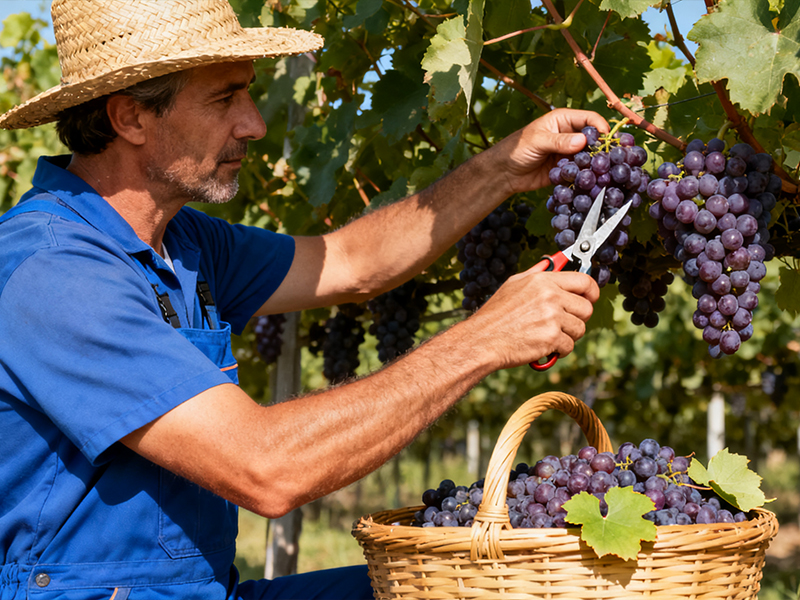
Grape Farm Harvest Scene 🌱
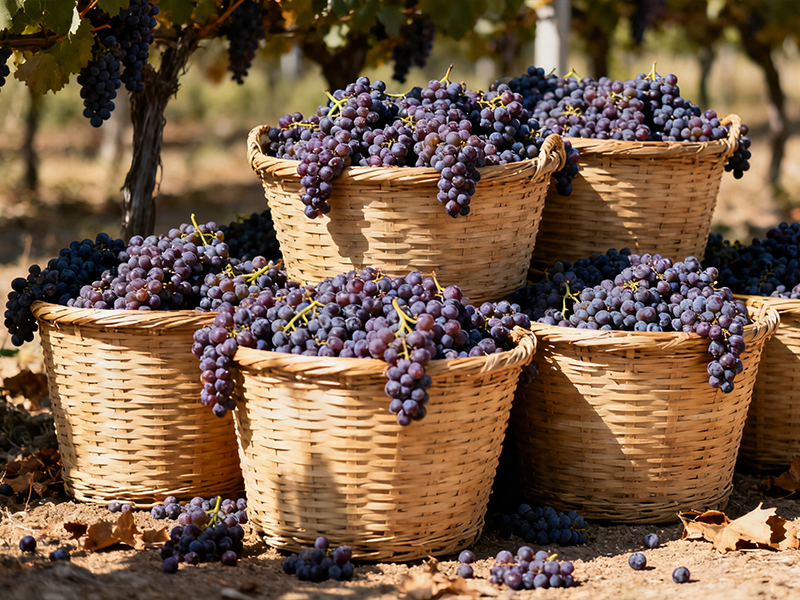
Freshly harvested grapes 🍇
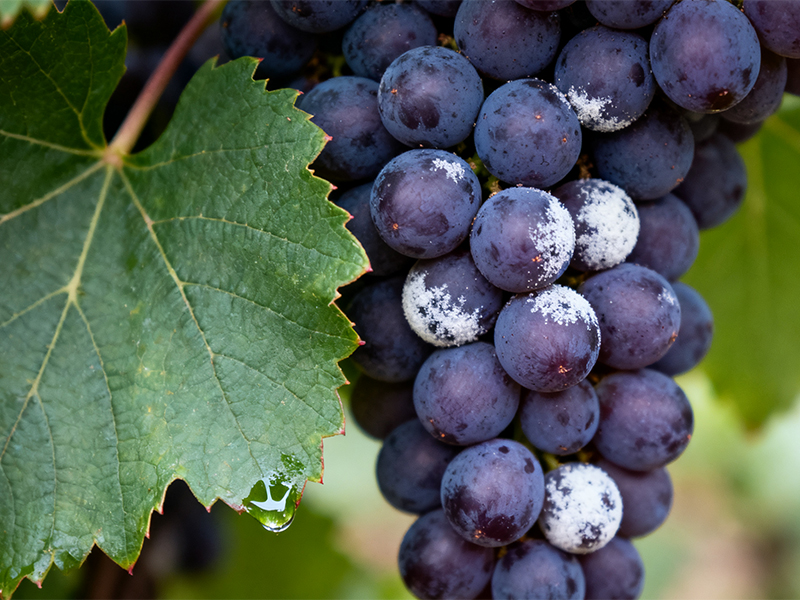
Close-Up of Grape Bunch 🔍
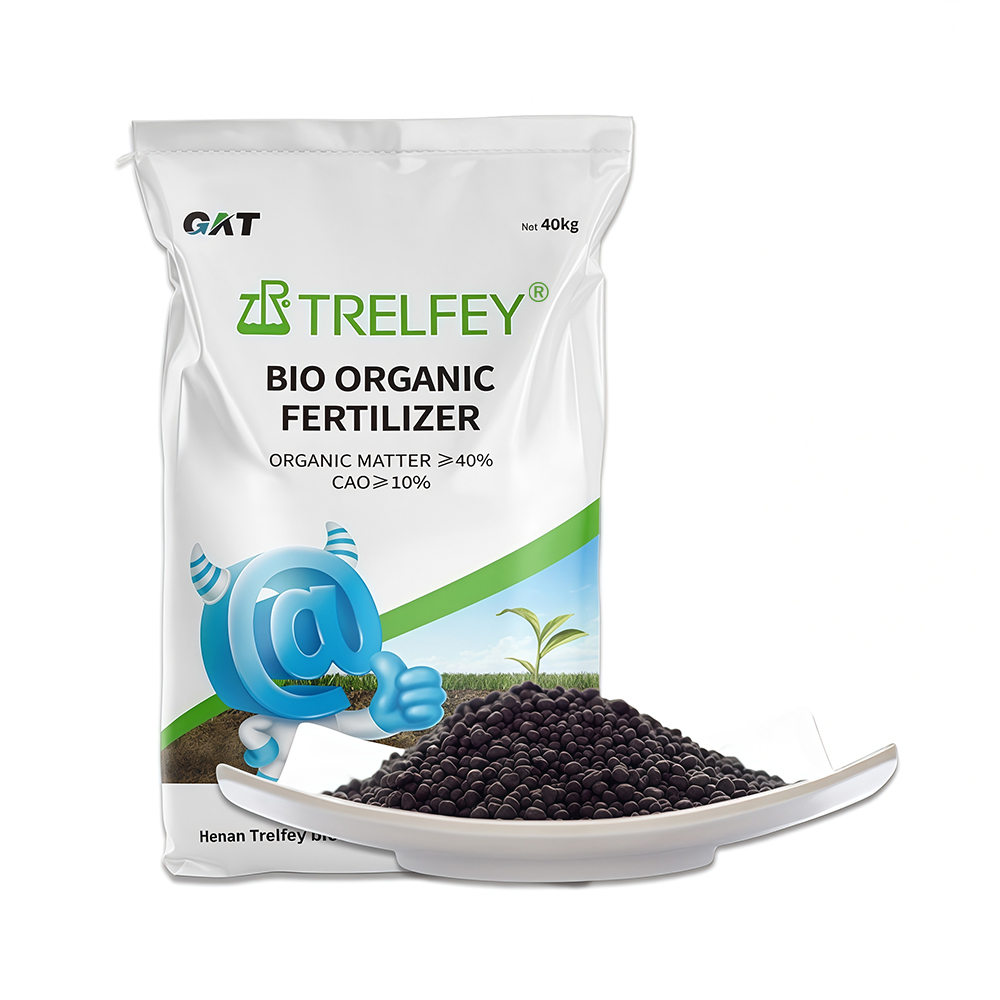
Bio-organic fertilizer
Organic matter ≥40%, CaO≥10%
The number of beneficial live bacteria ≥0.20 billion/g
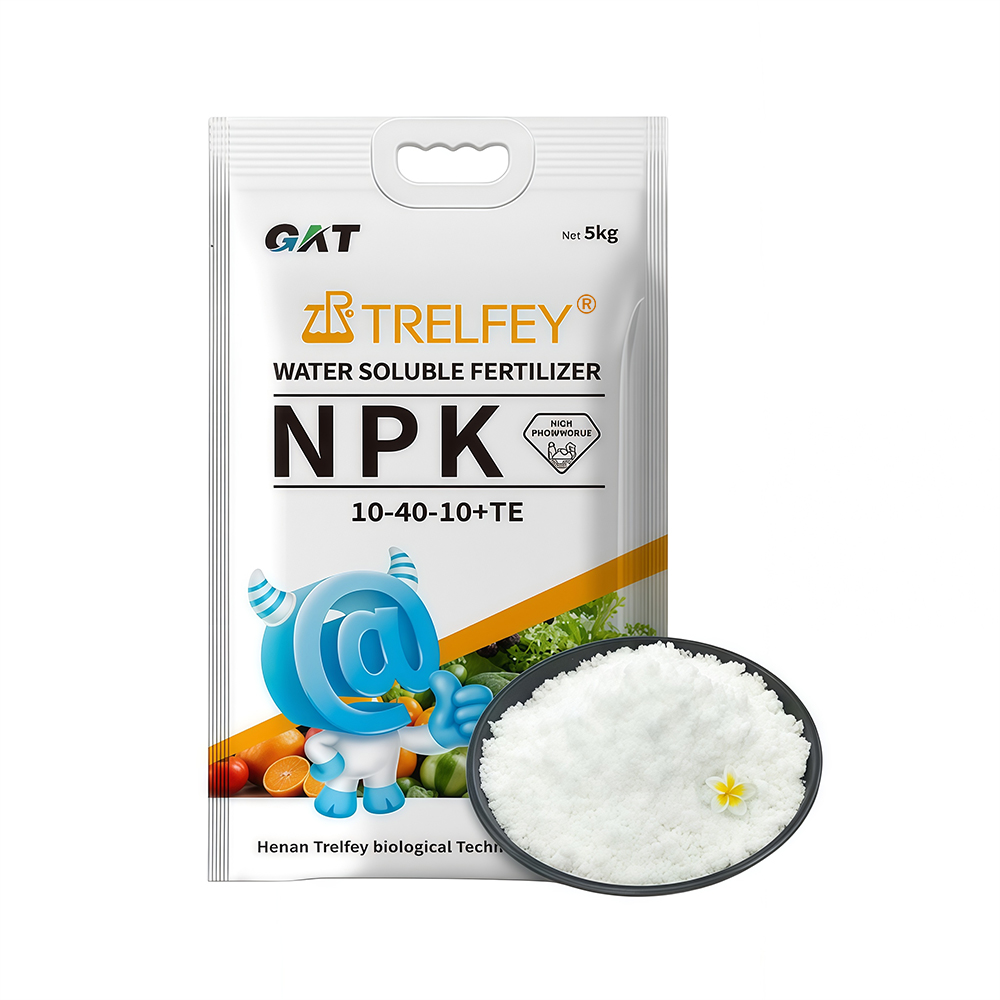
Water soluble fertilizer
Protect the roots and nourish the roots, protect the buds and protect the flowers
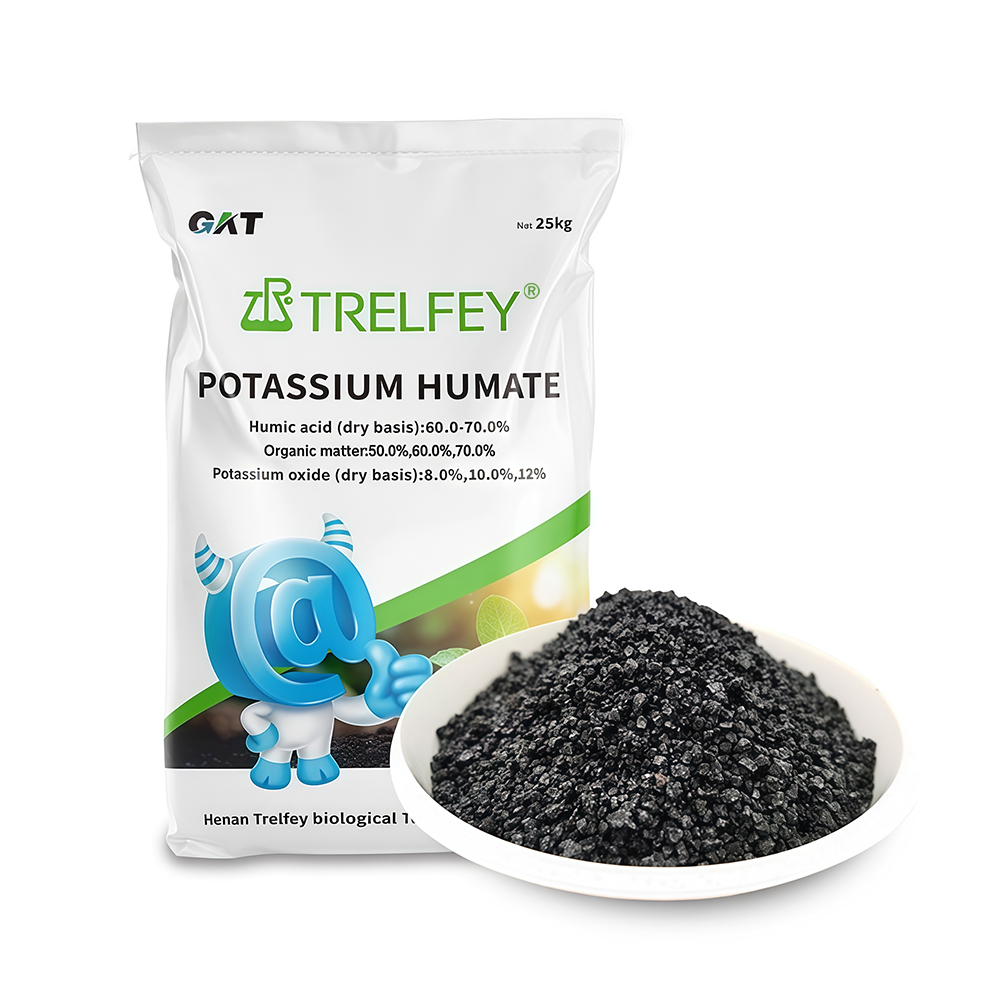
Potassium humate granules
Humic acid (dry base): 60.0-70.0%
Total nutrient (KOO): 8.0%-12.0% (customizable)