
The Ultimate Guide to Winter Melon Cultivation
Solving Top 5 Grower Challenges
Winter melon (Benincasa hispida), a staple in Asian cuisines known for its long shelf life and nutritional value, presents unique cultivation challenges. This guide addresses the top five persistent difficulties faced by commercial growers, offering data-backed solutions and integrated nutrient management strategies to optimize yield and fruit quality.
Optimal Climate and Soil Requirements for Winter Melon
Winter melon thrives in warm, frost-free climates with temperatures between 25°C and 30°C. It requires full sun exposure and a long growing season of 100-120 days. Well-drained, fertile sandy loam or loamy soil with a pH between 6.0 and 7.0 is ideal for healthy root development and nutrient uptake. As noted by research from the University of Florida IFAS Extension, proper site selection that meets these parameters is the first critical step toward a successful harvest, significantly reducing environmental stress from the outset.
Top 5 Cultivation Challenges and Science-Backed Solutions
Commercial cultivation of winter melon often confronts specific, recurring obstacles. The following section details these major challenges and provides actionable, research-supported solutions to help growers achieve consistent and profitable yields.
1. Poor Fruit Set and Flower Drop
Problem: Inconsistent fruit set and excessive flower drop are primary concerns, often resulting in yield losses exceeding 30%. This is frequently caused by imbalanced nutrition, particularly excess nitrogen during the flowering phase, and inadequate pollination due to high humidity or low pollinator activity.
Solution: Implement a targeted fertility program. Reduce nitrogen application at the first sign of flowering and increase phosphorus and potassium to promote flower retention and fruit development. Our research-backed MKP (0-52-34) fertilizer is an excellent source of highly available phosphorus and potassium without nitrogen, directly addressing this imbalance. Foliar application of a Amino Acid + Trace Elements Liquid biostimulant at flowering can further enhance pollen viability and stress tolerance. Data from the Asian Vegetable Research and Development Center (AVRDC) indicates that balanced potassium nutrition can improve fruit set rates by up to 25%.
2. Managing Vigorous Vine Growth and Space
Problem: Winter melon vines are exceptionally vigorous, often growing over 6 meters. Unmanaged growth leads to a tangled canopy, disease proliferation, and inefficient fruit production per hectare.
Solution: Employ a strong trellising system. Training vines onto vertical A-frame or overhead trellises improves air circulation, exposes leaves to sunlight, and produces straighter, higher-quality fruit. Prune lateral branches strategically to maintain 2-3 main stems per plant. This practice, recommended by Royal Horticultural Society guides, optimizes the plant’s energy towards fruit production rather than excessive foliage, making canopy management and harvesting more efficient.
3. Blossom End Rot and Calcium Deficiency
Problem: Blossom end rot (BER), a dark, leathery spot at the fruit base, is a physiological disorder linked to calcium deficiency in developing fruits. It is often triggered by fluctuating soil moisture, which disrupts calcium uptake, even when soil calcium levels are sufficient.
Solution: Ensure consistent soil moisture through drip irrigation or regular watering. Supplement with a readily available calcium source. Our Amino Acid + Calcium Magnesium + Fish Protein Liquid fertilizer provides chelated calcium in a form that is easily absorbed by the plant, even under suboptimal soil conditions. Apply it during early fruit development. A study cited in the “Horticulturae” journal confirms that amino acid-chelated calcium can reduce BER incidence by over 40% compared to conventional calcium nitrate.
4. Soil Fatigue and Declining Soil Health
Problem: Continuous monocropping depletes specific nutrients, harms soil microbiota, and can lead to soil-borne disease buildup and growth suppression, a phenomenon known as soil fatigue.
Solution: Implement crop rotation with non-cucurbit families. Annually amend soil with well-composted organic matter. For rapid soil revitalization, integrate our Microbial Bio-organic Fertilizer or (Anti-replant) Microbial Agent. These products reintroduce beneficial bacteria and fungi that break down pathogens, fix nitrogen, and improve soil structure. According to a FAO (Food and Agriculture Organization) report on soil health, consistent use of microbial inoculants can enhance nutrient use efficiency and sustain long-term soil productivity in intensive systems.
5. Pest Pressure: Fruit Fly and Powdery Mildew
Problem: Fruit flies (Bactrocera spp.) lay eggs under the fruit skin, ruining the marketable yield. Powdery mildew fungus coats leaves in white powder, reducing photosynthesis and plant vigor.
Solution: For fruit flies, use pheromone traps for monitoring and bag individual fruits with paper or plastic bags when they are young. For powdery mildew, ensure good air circulation and apply registered fungicides at first sight. To strengthen plant innate defenses, a balanced nutrition program is key. Our Potassium Humate Granules applied to the soil improve overall plant vitality and resilience. Furthermore, a 21-21-21 + TE Water-soluble Fertilizer provides balanced macro and micronutrients, promoting thicker, more resistant cell walls.
Comprehensive Fertilizer Program for Winter Melon (Per Hectare Basis)
A staged nutritional approach aligns with the crop’s physiological needs:
Basal Application (Pre-planting): Incorporate 2 tons of well-composted farmyard manure (prepared using our decomposer agent) and 500 kg of a balanced NPK compound fertilizer into the soil.
Vegetative Stage (Vine growth): Apply 420-0-0 Liquid Nitrogen Fertilizer or a high-nitrogen blend like 30-10-10 + TE to support vigorous canopy establishment.
Flowering & Fruit Set Stage: Switch to high-phosphorus nutrition. Apply MKP (0-52-34) and our (Root-promoting) Microbial Agent to encourage strong fruit development.
Fruit Enlargement Stage: Prioritize potassium. Apply 10-5-45 + TE Water-soluble Fertilizer and Potassium Humate Granules to boost fruit size, sweetness, and transport durability.
Conclusion
Success in winter melon farming hinges on proactive management of its specific growth challenges—from flower set and vine training to calcium nutrition and soil health. By integrating modern trellising techniques, consistent irrigation, and a scientifically designed fertilizer program that includes high-quality water-soluble fertilizers, biostimulants, and microbial agents, commercial growers and agricultural wholesalers can reliably achieve premium yields. Partnering with a trusted fertilizer manufacturer and supplier ensures access to the specialized inputs required for this valuable crop.
If you have any questions that need to be answered, you can always find us through the chat icon in the lower right corner of the page or directly enter Trelfey’s store to view the products. Of course, you can also check out our other social media (such as Linkedin) to learn more about us.
(References)
University of Florida IFAS Extension: (For climate & soil requirements)
Asian Vegetable Research and Development Center (AVRDC) publications: (For crop-specific data on fruit set)
Royal Horticultural Society (RHS): (For pruning and training advice)
“Horticulturae” Journal (MDPI): (For research on calcium and blossom end rot)
Food and Agriculture Organization (FAO) of the UN: (For information on soil health and microbial inoculants)
ResearchGate for accessing agricultural academic papers: (A platform for scientific studies on integrated pest and nutrient management)
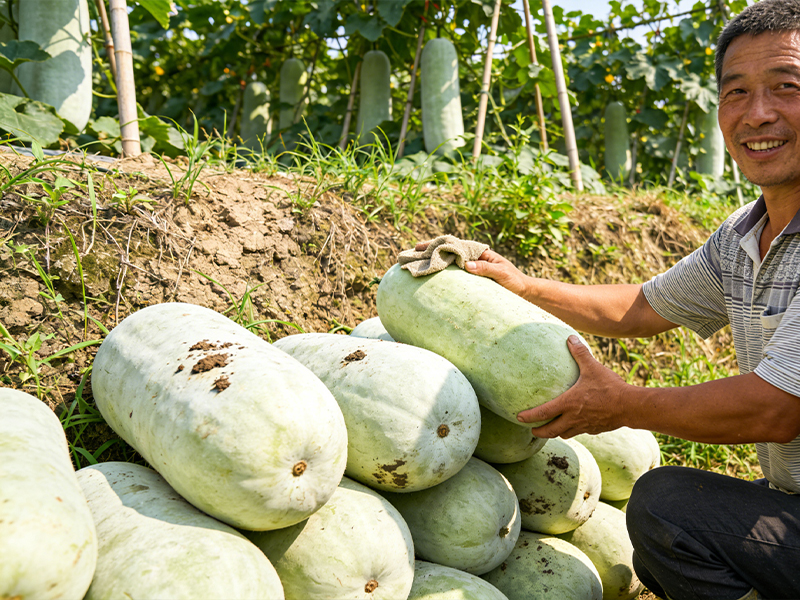
🌾🍈 Behold the bountiful harvest from Trelfey Fertilizer-powered fields! Plump, heavy winter melons pile high—each picked fresh, brimming with juiciness. Our specialized formula fuels robust root growth and nutrient absorption, turning ordinary plots into high-yield gardens. For farmers chasing consistent, abundant harvests, Trelfey is your trusted partner. Grow more, grow better! #WinterMelonHarvest #TrelfeyFertilizer
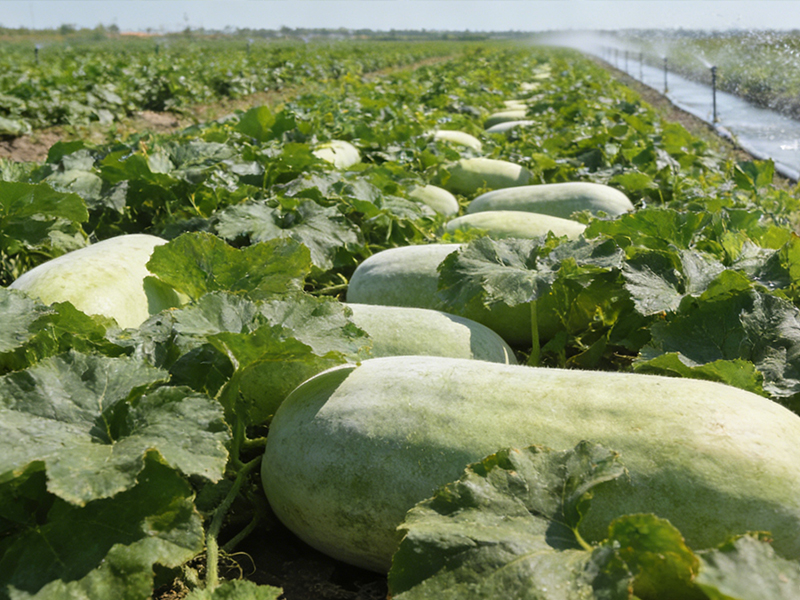
🌱🥬 Trelfey Fertilizer works wonders—just look at this thriving winter melon field! Lush vines bear countless healthy fruits, a testament to our balanced nutrients that promote strong growth and disease resistance. Whether in tropical or subtropical regions, our fertilizer adapts to your soil, delivering impressive yields season after season. Elevate your winter melon cultivation with Trelfey! #HighYieldFarming #WinterMelonGrowth
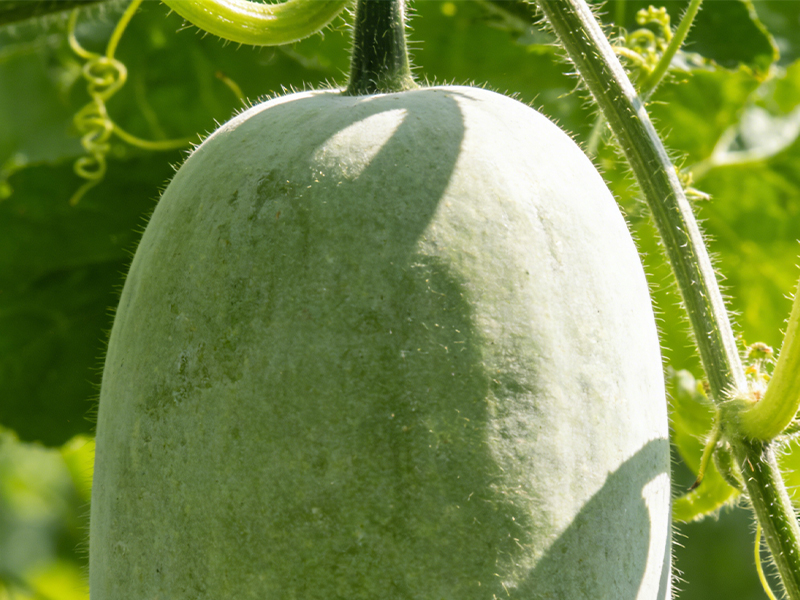
🥒✨ Feast your eyes on this perfect winter melon—crisp, snow-white flesh, and exceptional tenderness, all thanks to Trelfey Fertilizer! Our science-backed blend enhances flavor, boosts nutrient content, and ensures uniform ripening. Every bite reflects the quality that Trelfey brings to your crops. For premium winter melons that stand out in markets, choose Trelfey—where quality meets harvest success!
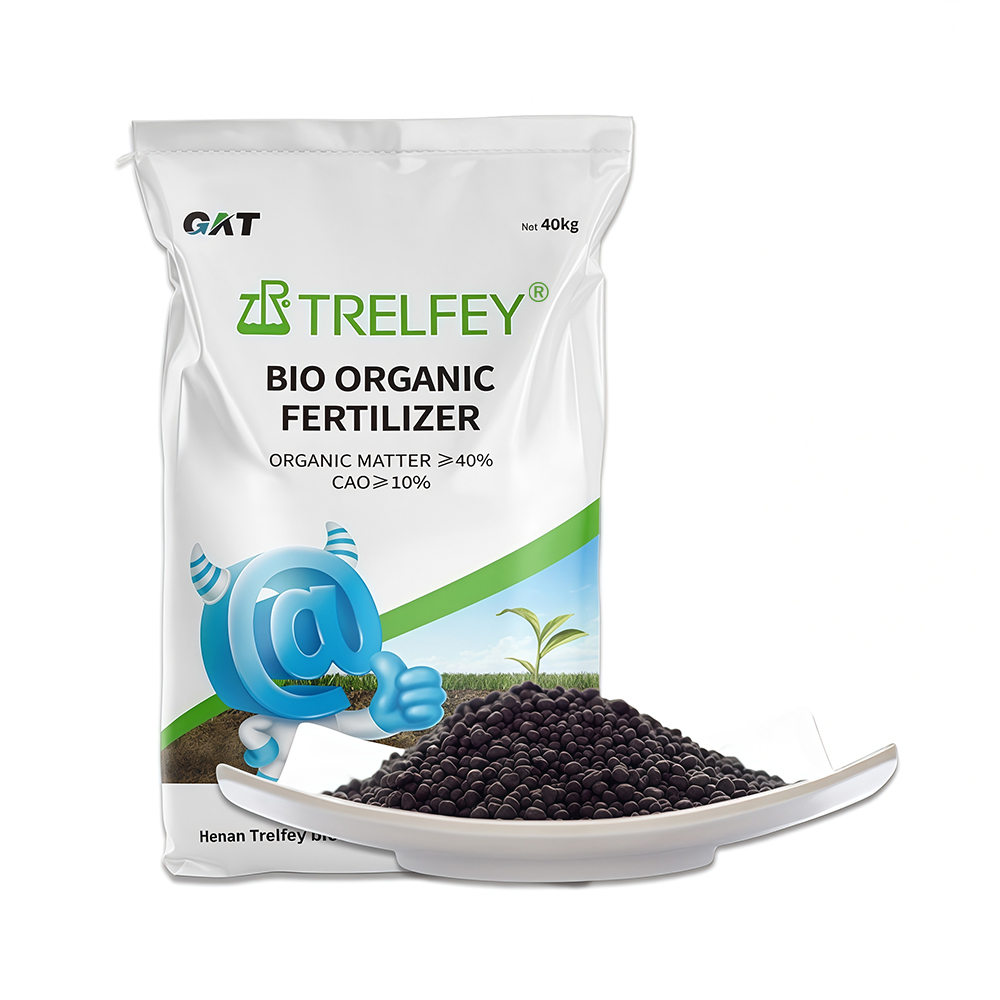
Bio-organic fertilizer
Organic matter ≥40%, CaO≥10%
The number of beneficial live bacteria ≥0.20 billion/g
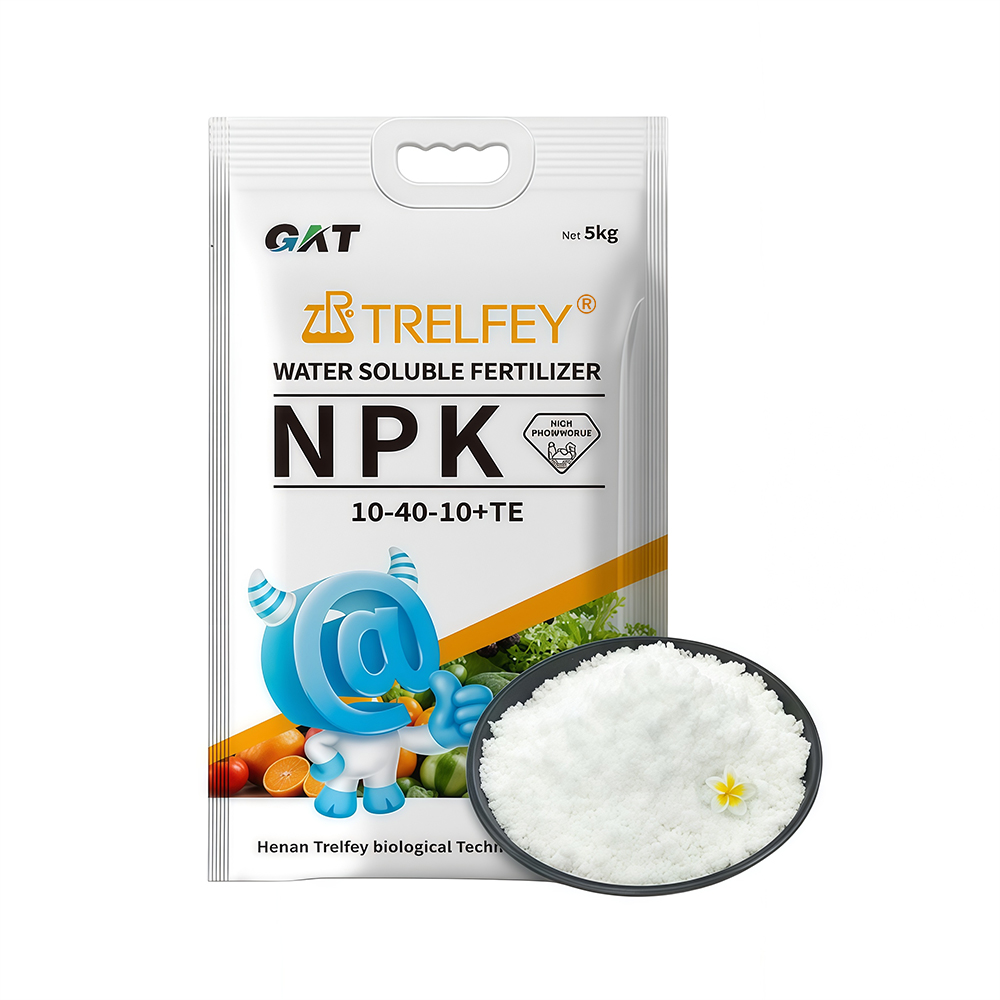
Water soluble fertilizer
Protect the roots and nourish the roots, protect the buds and protect the flowers
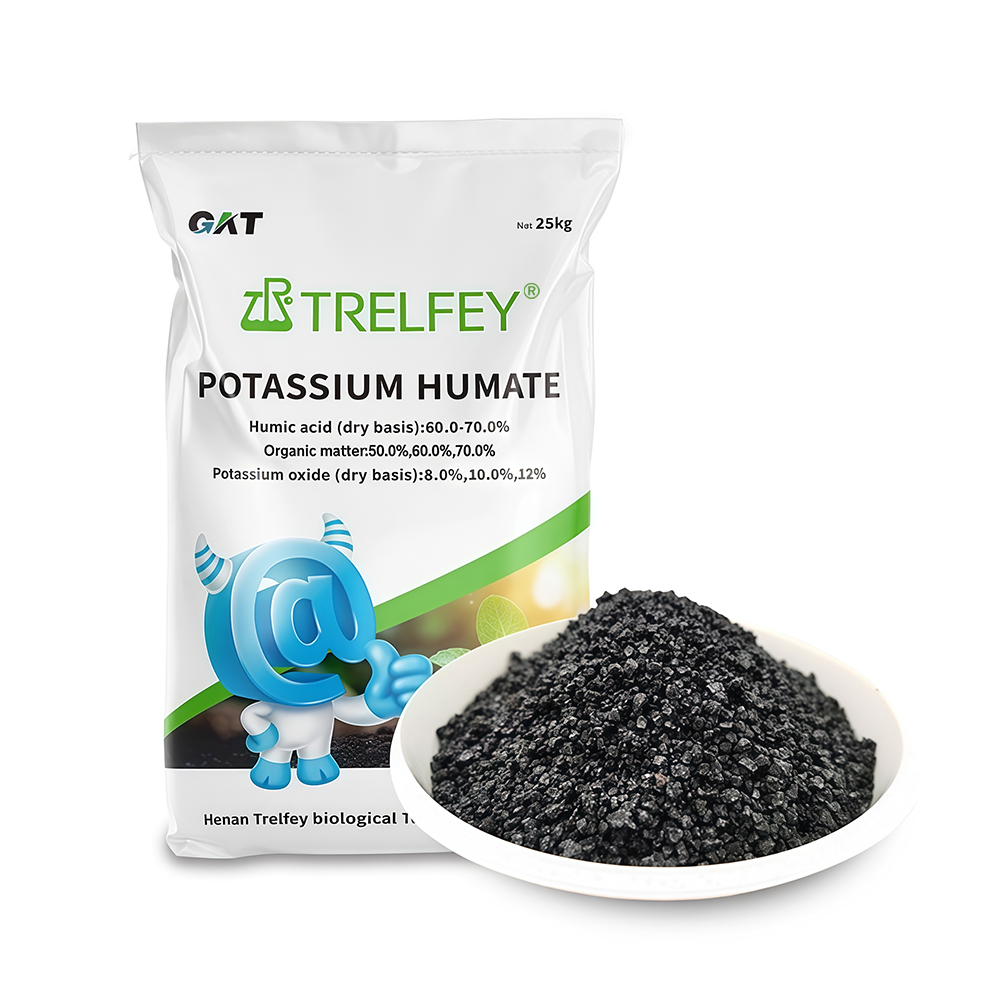
Potassium humate granules
Humic acid (dry base): 60.0-70.0%
Total nutrient (KOO): 8.0%-12.0% (customizable)