
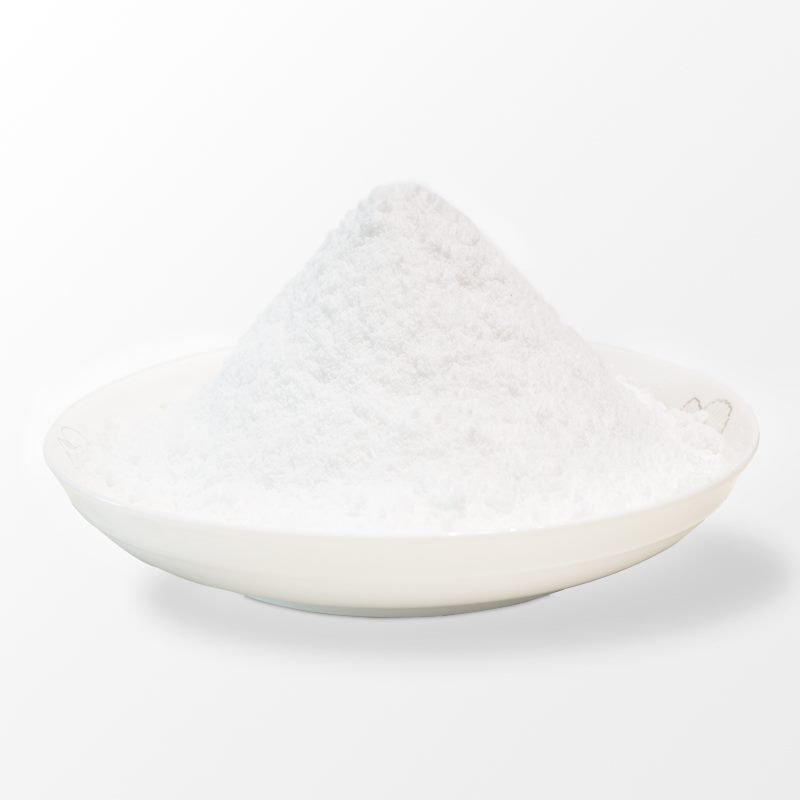
High-phosphorus grades all push rooting and flowering, yet they are not interchangeable. Because of this, the choice between 10-40-10, 12-61-0 and 10-52-10 comes down to crop stage and handling. This note compares the three and shows what to check on the offer.
What a 10-40-10 Fertilizer Is Built For
The 1:4:1 ratio is the workhorse of establishment. Therefore growers reach for it at transplant, at early root flush and during flower initiation. It also carries potassium, so the plant is not left short during the same window. Trace elements are usually added, shown as +TE on the label. For the wider logic behind ratios, see our NPK ratio notes.
12-61-0: The Highest Analysis in the Group
This grade is close to pure phosphorus and carries no potassium. As a result, it suits short, decisive corrections rather than a full program. Because it is so concentrated, small weighing errors matter more. It also dissolves readily, so many growers choose it for foliar work. It suits tank mixes planned around a separate potassium source.
10-52-10: A Middle Path for Fruiting Crops
The middle grade keeps a potassium component while still leading on phosphorus. In practice, it fits crops that need flower support without sacrificing fruit fill later. It is also easier to blend with other soluble salts than the highest analysis, which reduces handling risk on the farm.
Solubility, Salt Index and Mixing Limits
All three grades are sold as fully soluble, so solubility alone rarely separates them. The salt index does separate them, though, and it drives burn risk on young roots. Mixing limits matter too. Phosphorus products must stay away from calcium in the same tank, as covered in our calcium and phosphate mixing note. Therefore plan two tanks, or inject in sequence with a flush between.
Matching the Grade to Crop Stage
- Rooting and transplant. Use the balanced high-P grade for steady supply over several weeks.
- Flower initiation. Shift toward the highest analysis for a short, sharp push.
- Fruit set onward. Introduce potassium and calcium, then step back from high-P work.
- Foliar correction. Keep the dose low and confirm compatibility before mixing.
For systems that inject every day, sequence matters as much as the grade. Our fertigation guide covers the mechanics. If you are weighing powder against liquid formulations, our comparison of balanced grades sets out how concentration changes freight and storage.
How to Compare Offers for High-P Grades
Ask each supplier for the analysis sheet, the trace element list and the solubility statement. Then ask whether the price basis is per bag or per nutrient unit. Finally, request the certificate of analysis for the lot you will receive. The reading method for the whole document set is set out in our quotation checklist.
Reference: FAO Soils Portal for nutrient management context.
Follow Trelfey on Facebook for crop program and formulation notes: Trelfey on Facebook.