
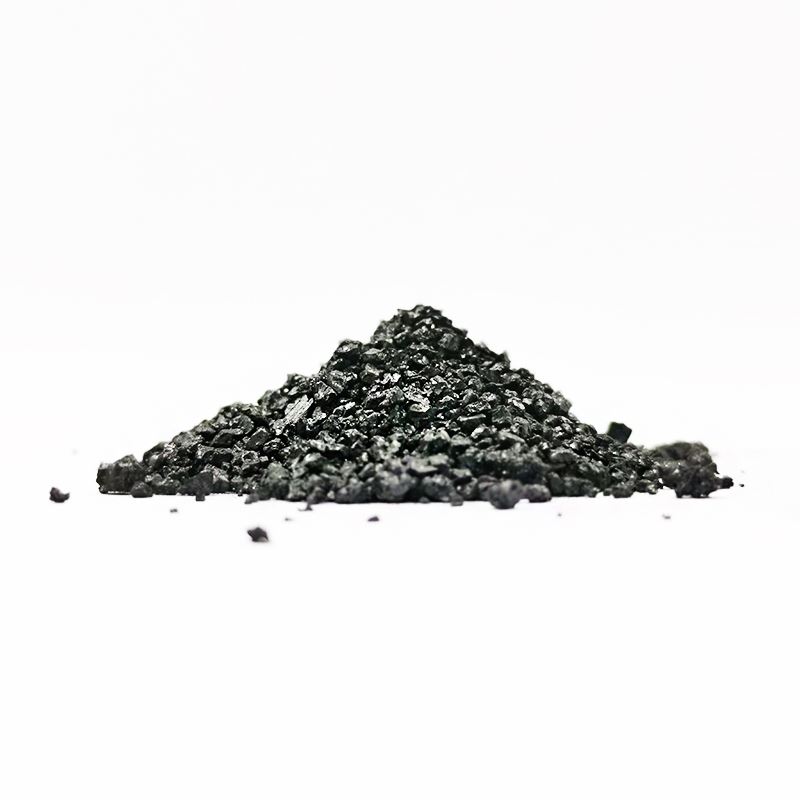
Coffee grows on some of the most weathered, acidic soils in East Africa. Because of this, a generic broadcast blend rarely delivers the cup quality that buyers pay for. This guide explains how a coffee fertilizer program is structured. It covers soil acidity first, then potassium and nitrogen timing, and finally supplier checks.
Why Coffee Fertilizer Programs Differ by Region
Coffee yields and bean quality respond to nutrition. However, the limiting factor changes with the terrain. Volcanic highlands hold more organic matter and drain quickly. Older, eroded plots leach faster and sit lower in pH. Program design therefore starts with the soil. In practice, you should not copy a recipe from another origin. The same logic that drives NPK ratio choice applies here. Match the formula to the stage and the soil, and not to the label.
Soil Acidity: The Constraint That Sets the Program
Below a certain pH, phosphorus locks up. Aluminium also becomes more soluble, and this shortens roots. As a result, uptake falls no matter how much fertilizer you apply. That is why liming and organic matter sit upstream of any fertilizer plan. Where soils are acidic and low in organic matter, growers often use humic and fulvic inputs next to mineral nutrition. These inputs improve structure and nutrient retention. Soil correction and nutrient supply are separate levers. If you treat one and ignore the other, you raise cost without raising yield.
Potassium and Nitrogen Timing Through the Season
Nitrogen supports vegetative growth, flushing and leaf mass. Potassium matters most around flowering and cherry development. It drives bean size, density and cup profile. Instead of front-loading before the rains, split applications across the season. That keeps nutrients near active roots and cuts leaching on steep plots.
Calcium, Boron and Organic Matter
Calcium supports root development and cell strength. Boron plays a role in flowering and fruit set. Both are easy to under-supply and hard to correct late. For rapid correction at critical stages, foliar sprays are the common choice. Soil-applied calcium and organic amendments work on the underlying constraint. Judge micronutrient products on chelation technology and batch consistency, and not on the headline analysis alone.
Fertigation Options on Smallholder and Estate Farms
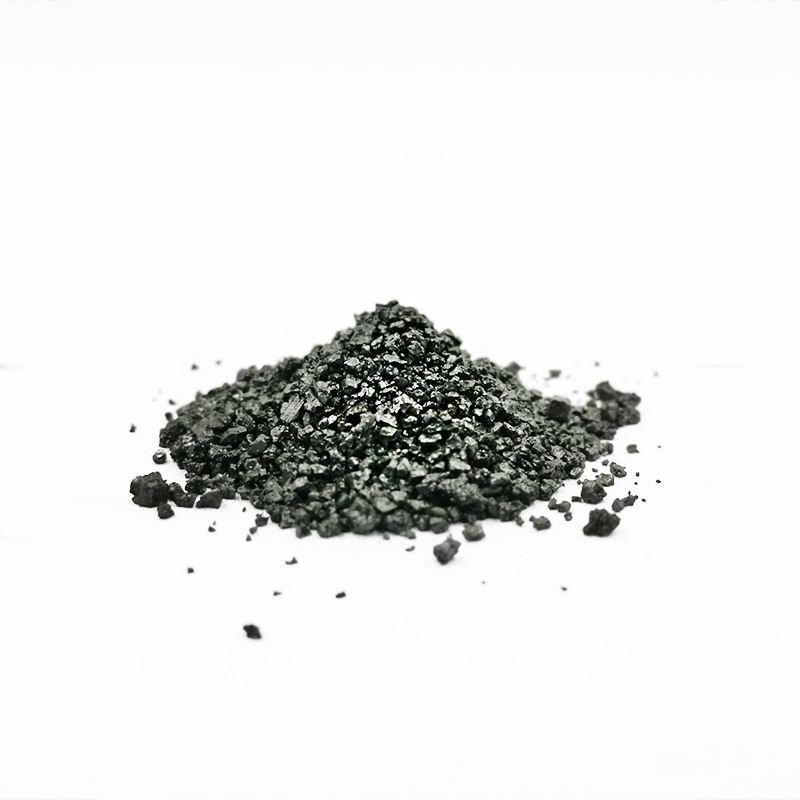
Where irrigation is available, inject fully soluble grades. This places nutrition in the root zone in small, frequent doses. Moreover, the approach suits steep terrain and variable rainfall. It also raises the bar on water quality and dosing discipline, which we cover in our fertigation guide. On rain-fed smallholdings, apply the same nutrition logic through split soil applications and foliar correction.
How Buyers Should Evaluate Coffee Fertilizer Suppliers
- Solubility and residue. Fully soluble grades matter for drip and foliar work. So ask for residue figures on the documentation, and not just in the brochure.
- Batch consistency. A program is only as good as the lot behind it. Therefore request the certificate of analysis and ask how the supplier controls batch variation.
- Formulation fit. Match high-potassium, calcium and organic-matter products to your soil test. Avoid generic packages.
- Logistics planning. Inland delivery to coffee regions is a real cost and timing factor. Meanwhile, see how buyers structure this in our East African sourcing notes.
Reference: FAO Soils Portal for soil acidity and nutrient management context.
Follow Trelfey on Facebook for crop program and formulation notes: Trelfey on Facebook.