
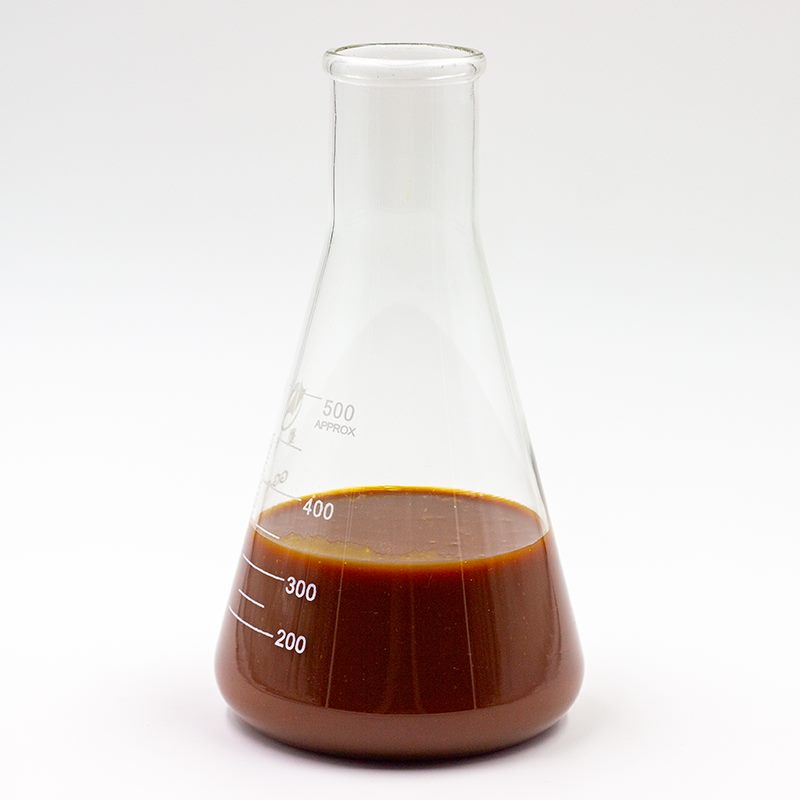
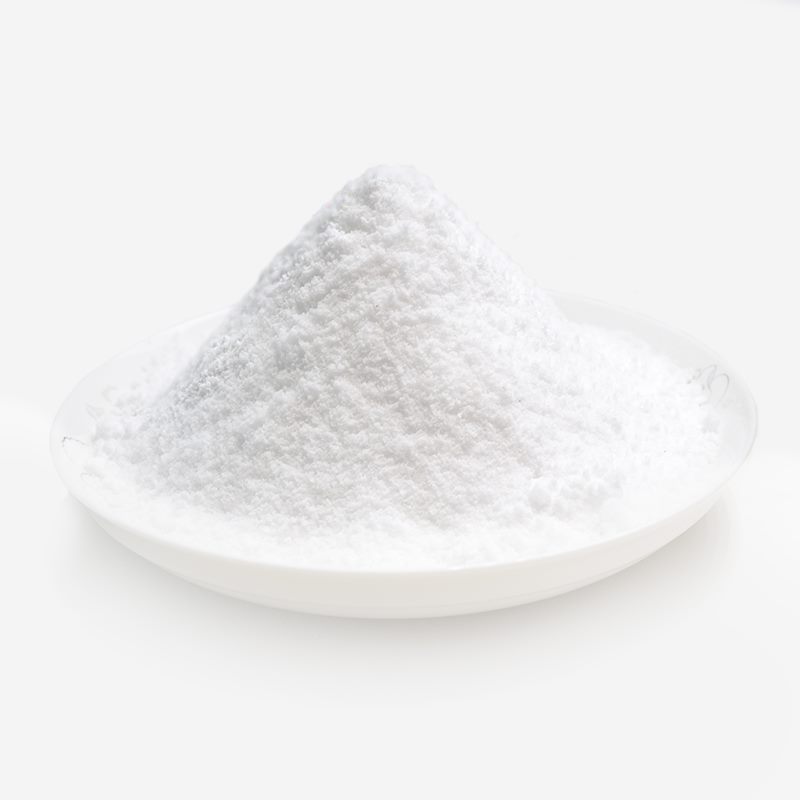
Sourcing teams often ask us to compare water-soluble vs liquid fertilizer as if they were two different chemistries. In practice both deliver the same NPK and micronutrients in plant-available form; the difference is the physical form shipped to your farm — a fully soluble powder or granule that you dissolve on site, versus a pre-dissolved liquid concentrate that you dilute and inject.
What “Water-Soluble” and “Liquid” Actually Mean
Water-soluble fertilizer (WSF) describes the chemical property: near-complete dissolution in irrigation water with low insoluble residues. Liquid fertilizer describes the delivery form: salts already dissolved in a water base, often with chelating agents, humic or amino additives. A liquid product is therefore a subset of soluble nutrition — the marketing term is often wider than the specification.
Solubility, Purity and Dosing Accuracy
Powder WSF grades typically allow higher analysis per kilogram (for example high-P or high-K formulas) and are filtrated to protect drip lines. Liquids are easier to dose volumetrically and are convenient for fertigation systems, but their concentration is capped by solubility limits, so you buy and ship more water per unit of nutrient.
Storage, Shelf Life and Handling
Powders need dry, ventilated storage; caking is the main risk in humid climates. Liquids separate or salt out in cold weather and usually carry a shorter shelf life, with frost-sensitive logistics in some destination markets. Neither form tolerates mixing practice errors: always check compatibility in a jar test before charging a tank.
Freight and Logistics: How the Cost Structure Differs
Container economics is the clearest dividing line. Powder grades put more nutrient units into each tonne and each cubic metre, which lowers freight and warehousing intensity per unit of nutrition; liquid grades ship water, use heavier packaging and need tank or IBC handling. Counterbalancing this, liquids save labour and mixing equipment at the farm, and reduce the risk of incomplete dissolution in cold water. Evaluate the trade-off per nutrient unit delivered to the field, not per tonne purchased.
Which One Fits Your Program?
Choose high-analysis powders for broad-acre, high-volume programs and for high-P or high-K ratios where concentration matters, or where freight distance is long. Choose liquid concentrates where storage and mixing labour are the bottleneck, where small frequent doses are the norm, or where you already run liquid handling infrastructure. Many distributors carry both and position them by application: see how ratio choice drives results in our guide to NPK ratios, and how importers evaluate offers in sourcing for East Africa.
Buying Checklist for Distributors
- Confirm the specification on the analysis certificate, not the label claim.
- Request a solubility and residue test in your own water source.
- Compare delivered cost per nutrient unit, including packaging and storage.
- Check batch-to-batch consistency before committing to a season.
Reference: FAO Soils Portal for plant nutrition and fertilizer use context.
Follow Trelfey on Facebook for product updates and formulation notes: Trelfey on Facebook.